
Maintaining a lush, green lawn is a labor of love for many homeowners. However, it can be disheartening to see patches of grass struggling to thrive due to a layer of thatch. Thatch is a buildup of dead grass, roots, and organic matter that can suffocate your lawn, leading to poor growth and even disease. So, when should you dethatch a lawn? Understanding the right timing and conditions will set you on the path to a healthier yard.
This article will guide you through the best times to dethatch your lawn, the signs that indicate your lawn needs dethatching, and tools that can make the process easier. You’ll come away with a clearer understanding of how to keep your lawn in top shape.

WEN
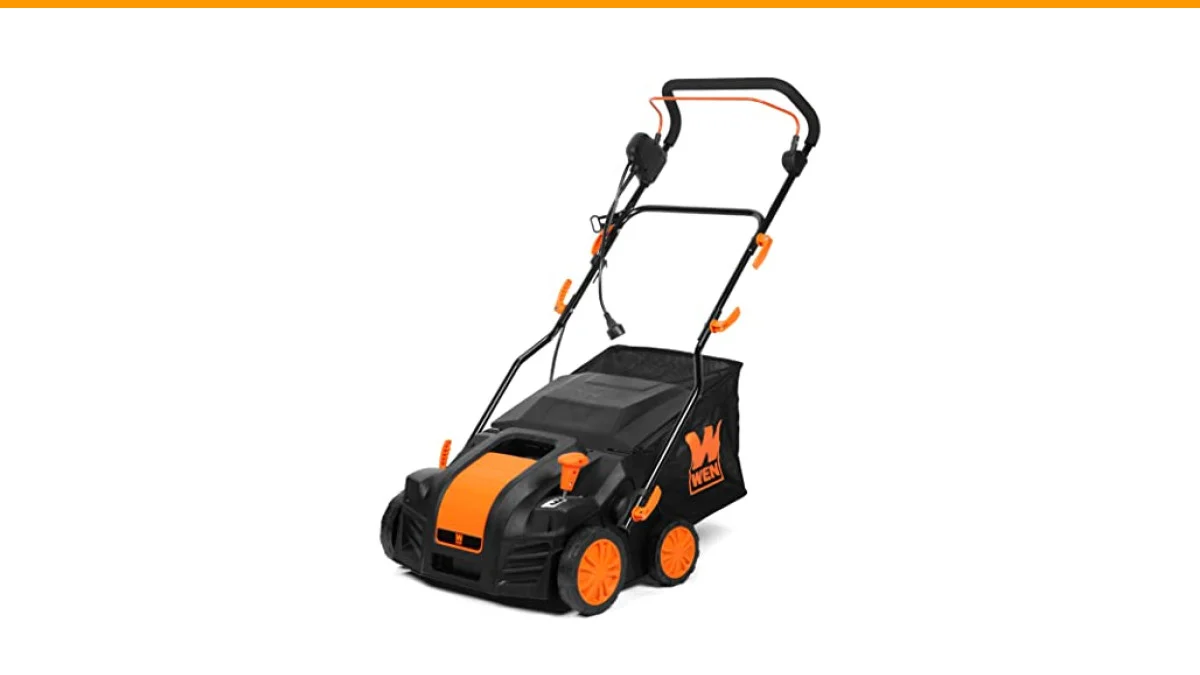
WEN DT1516 16-Inch 15-Amp 2-in-1 Electric Dethatcher and Scarifier with Collection Bag, Black
- 5-position height adjustment ranges from a +1/4 to -1/2-inch raking depth
- Powerful 15-amp electric motor generates up to 3300 RPM with a 16-inch clearing path
- 20-blade scarifying head helps aerate your grass for a healthier and thicker lawn
One effective tool for dethatching is the WEN DT1516 16-Inch 15-Amp 2-in-1 Electric Dethatcher and Scarifier. This machine features a powerful motor and multiple height adjustments, making it suitable for various lawn types and conditions.
Understanding Thatch: What Is It and Why Does It Matter?
Thatch forms when organic materials—like grass clippings, leaves, and roots—accumulate faster than they decompose. A small amount of thatch (about 1/2 inch) can be beneficial, providing insulation for roots and reducing soil compaction. However, excessive thatch (over 1 inch) can block air, water, and nutrients from reaching the soil.
To effectively manage lawn health, regular dethatching is essential. Neglecting a thatch problem can lead to a host of issues, including:
- Water runoff instead of absorption
- Increased susceptibility to pests and diseases
- Weak grass growth and patchy areas
When Should You Dethatch Your Lawn?
The timing of dethatching plays a crucial role in its effectiveness. Here are key factors to consider:
- Seasons: The best time to dethatch is during the growing season. For cool-season grasses, aim for early spring or early fall. For warm-season grasses, late spring or early summer is ideal.
- Weather conditions: Choose a dry day for dethatching. Wet conditions can lead to soil compaction, making it harder for the dethatcher to penetrate the ground.
- Grass health: Before dethatching, ensure your lawn is healthy. If you’re dealing with a stressed lawn due to drought or pests, wait until it recovers.
Signs That Your Lawn Needs Dethatching
Recognizing the signs of excessive thatch can help you determine when to take action:
- Thick, spongy feel: Walk on your lawn. If it feels spongy and bouncy, it may have too much thatch.
- Slow drainage: Puddles forming on the surface after rain can indicate that water can’t penetrate the thatch layer.
- Poor growth: If your grass struggles to grow, especially in spots despite adequate watering and fertilization, dethatching might be necessary.
- Visible thatch layer: If you can see a brown, dry layer of organic material between the soil and grass, it’s time to dethatch.
Tools and Techniques for Dethatching
Choosing the right tool for dethatching is crucial for successful lawn care. Here’s a comparison of various dethatching methods:
| Method | Description | Best For | Considerations |
|---|---|---|---|
| Manual Rake | A simple thatching rake pulls up thatch by hand. | Small areas or low budgets | Labor-intensive, not ideal for large lawns |
| Power Dethatcher | Powered machine removes thatch quickly and efficiently. | Large lawns with significant thatch buildup | Higher initial cost, but saves time |
| Verticutter | A machine that cuts vertically into the soil, improving aeration. | Lawns needing aeration along with dethatching | More expensive, requires additional maintenance |
| Thatch Removal Service | Professional service to handle dethatching for you. | For those who prefer not to do it themselves | Costly, but often provides the best results |
How often should I dethatch my lawn?
Dethatching frequency depends on your lawn type and conditions. Generally, lawns should be dethatched every 1-3 years. Monitor thatch buildup and adjust accordingly.
Can dethatching harm my lawn?
When done correctly, dethatching shouldn’t harm your lawn. However, dethatching a stressed or dormant lawn can lead to damage, so timing is crucial.
What is the best time of day to dethatch?
Morning is ideal for dethatching. Grass is usually dry, reducing the chance of soil compaction. It also allows for recovery throughout the day.
How do I prepare my lawn for dethatching?
Before dethatching, mow your lawn to about 1-2 inches high. Water it a day or two before dethatching for easier penetration and less stress on the grass.
What should I do after dethatching?
After dethatching, rake up debris and consider overseeding. Fertilizing and watering will help your lawn recover and promote growth.
Final Thoughts on Lawn Dethatching
- Dethatch during the growing season for optimal results.
- Look for signs like spongy grass or poor drainage.
- Choose the right tool based on your lawn size and thatch level.
- Be mindful of weather conditions—aim for a dry day.
- Consider professional services if the task feels overwhelming.
- Follow up with proper care after dethatching to ensure recovery.
- Regular lawn maintenance will keep thatch buildup in check.
For more information on maintaining a healthy lawn, check out our guides on lawn mowers and manual lawn aerators.


