
Understanding the Tiller vs Cultivator Difference
Contents
Imagine standing in your garden, ready to plant your new flowers or vegetables. You’ve got your seeds, soil, and a plan, but you’re faced with a choice: should you use a tiller or a cultivator? Many gardeners find themselves in this situation, unsure about which tool will best prepare their soil. Understanding the tiller vs cultivator difference is crucial for effective gardening.
This article will clarify the distinctions between these two gardening tools, helping you make informed decisions. You’ll learn what each tool is designed for, their specific features, and when to use one over the other. Additionally, we’ll introduce a recommended product that combines the best of both worlds.

Sun Joe
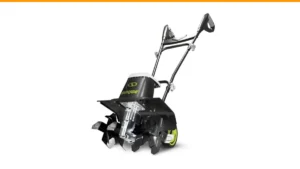
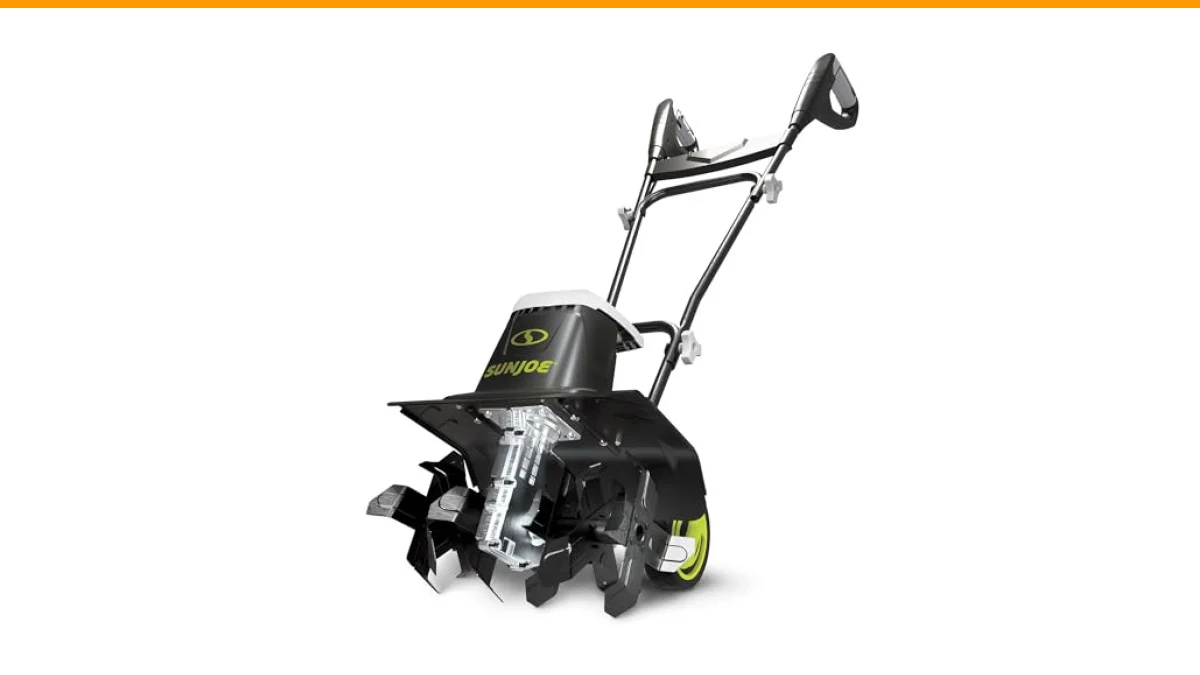
Sun Joe Electric Corded Garden Tiller & Cultivator, Steel Tines, 13.5 Amp, 16 Inch, Black - Heavy Duty Gardening Machine Equipment for Lawn, Yard, & Grass, SUJ-TJ604E
- Powerful Electric Tiller: Electric rototiller with a 13.5-amp motor easily tills up to 16 inches wide and 8 inches deep for effici…
- Durable Steel Tines: This corded electric tiller features 6 rust-proof, steel-angled tines for long-lasting performance and durabi…
- Compact and Convenient: This small garden tiller with a folding handle ensures easy storage and transport for gardeners and homeow…
The Sun Joe Corded Electric Garden Tiller & Cultivator is a powerful option for both tasks. With a robust 13.5-amp motor, it can efficiently till and cultivate your garden, making soil preparation easy and effective.
What is a Tiller?
A tiller is primarily used for breaking up hard soil. It’s ideal for initial soil preparation, especially in large areas. Tillers are designed to penetrate deeply, typically up to 8 inches, and can cover a width of up to 16 inches or more, depending on the model. This depth allows them to mix in organic matter and aerate the soil effectively.
Tillers come in two main types: front-tine and rear-tine. Front-tine tillers have tines located at the front of the machine, which makes them suitable for lighter, softer soils. Rear-tine tillers, however, feature tines at the back, offering better performance in tougher soil conditions.
What is a Cultivator?
Cultivators are designed for a different purpose. They focus on the top few inches of soil, making them ideal for mixing in compost, weeding, and preparing seed beds after the initial tilling has been done. Cultivators generally have smaller tines than tillers, which allows for more precise control over the soil surface without disturbing deeper layers.
These tools are great for maintaining already cultivated soil, making them perfect for gardens where you want to keep the soil loose and aerated without going too deep.
Tiller vs Cultivator: Key Differences
While both tools serve essential functions in gardening, their uses are distinct. Understanding these differences can help you select the right tool for your gardening tasks.
| Feature | Tiller | Cultivator |
|---|---|---|
| Purpose | Break up and aerate soil | Mix soil and control weeds |
| Depth of Operation | Up to 8 inches | 1-3 inches |
| Width of Coverage | 16 inches or more | 6-12 inches |
| Best for | New garden beds and tough soil | Established gardens and seedbeds |
| Type of Tines | Heavy, deeper tines | Smaller, lighter tines |
Common Misconceptions About Tillers and Cultivators
Misconception 1: All Tillers Are Big and Heavy
Many believe that tillers are always large, cumbersome machines. While there are big models designed for extensive gardens, smaller tillers exist that are perfect for urban gardeners with limited space. The best tiller for small garden can efficiently handle your soil without overwhelming your space.
Misconception 2: Cultivators Can Replace Tillers
Some gardeners think that cultivators can do the same job as tillers. While cultivators excel in surface soil management, they lack the power and depth necessary for breaking up hard or compacted soil. Using a cultivator in place of a tiller can lead to ineffective soil preparation.
Misconception 3: You Only Need One Tool
Many assume that choosing between a tiller and a cultivator means they only need one implement. In reality, both tools serve different purposes and can complement each other in your gardening routine. For best results, consider having both in your gardening arsenal.
Frequently Asked Questions
1. Can I use a tiller in established gardens?
Yes, but with caution. A tiller can disturb the root systems of established plants. Use it sparingly and consider a cultivator for surface maintenance instead.
2. What type of soil is best for tillers?
Tillers work best in loose, loamy soil but can also handle clay or rocky soil with the right model. Adjust the settings accordingly for tough conditions.
3. How do I maintain my tiller or cultivator?
Regular maintenance includes cleaning the tines after use, checking the oil and fuel levels for gas models, and ensuring that electric models are properly stored to avoid damage.
4. Can I use a cultivator to prepare a new garden bed?
Not ideally. Cultivators are best used for maintaining soil. For new garden beds, a tiller is more effective for breaking up and aerating the soil.
5. How do I choose the right tiller or cultivator?
Consider the size of your garden, the type of soil, and your gardening goals. For larger areas and tough soil, choose a tiller like the Sun Joe TJ604E. For smaller beds and maintenance, a cultivator is ideal.
Essential Points to Remember
- Tillers are designed for breaking up hard soil deeply.
- Cultivators are best for surface mixing and weeding.
- Both tools serve unique roles in gardening.
- Consider your garden’s size and soil type when choosing.
- Smaller tillers can be effective for limited spaces.
- Regular maintenance extends the life of your tools.
- Using both tools can optimize your gardening efforts.