
How to Maintain a Gas Tiller for Longevity
Contents
Introduction
Every gardener knows the satisfaction of a well-tended garden. However, frequent use of a gas tiller can lead to wear and tear, causing it to underperform. Picture this: you’re halfway through tilling your garden bed when your tiller sputters and dies. Frustrating, right? Proper maintenance can prevent these mishaps and keep your tiller running smoothly for years.
In this article, you’ll learn how to maintain a gas tiller effectively. From routine checks to seasonal care, you’ll walk away with actionable insights that can save you time and money.

HPENP
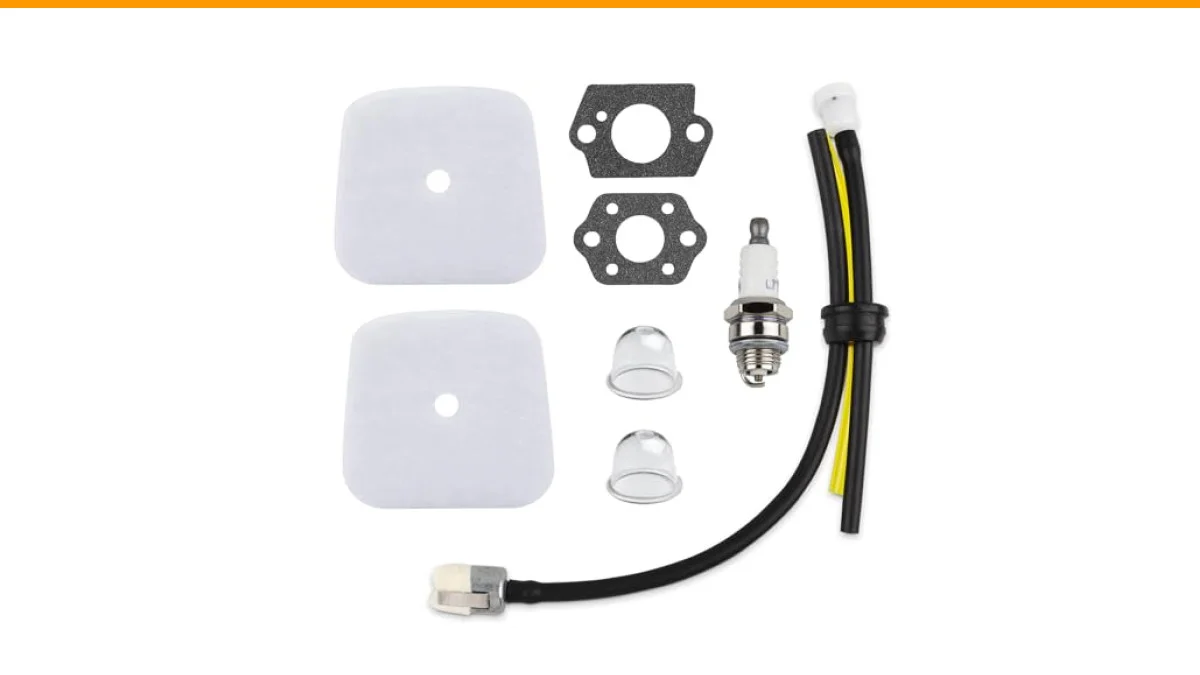
HPENP (Pack of 2) Repower Tune-Up Kit Air Filter for Mantis Tiller/Cultivator 7222 7222E 7222M 7225 7230 7240 7920 7924 Primer Bulb
- Fiment models: Mantis 7222 7222E 7222M 7225 7230 7240 7920 7924 tiller / cultivator,
- For 2-cycle little wonder engine: SV-4B SV-4BH SV-5C SV-5C/1 SV-5C/2 SV-5Ci SV-5Ci/2 SV-5H/2,
- Mantis Tiller Parts Tune Up kit. Fits All New Mantis and Echo Tiller With 3- Hoses System,
If you’re looking for tools to help with maintenance, consider the HPENP Repower Tune-Up Kit. This comprehensive kit includes air filters and spark plugs specifically designed for various Mantis tiller models, making your maintenance routine much simpler.
Essential Maintenance Tasks
Okay, but how much does this actually matter? Regular maintenance is crucial for performance and longevity. Here are some key tasks:
- Inspect the Air Filter: Check the air filter every few uses. A clogged filter can reduce engine performance. Clean or replace it as necessary.
- Change the Oil: Engine oil should be changed at least once per season or after every 25 hours of use. Use the manufacturer’s recommended oil type.
- Check Spark Plug: Inspect the spark plug for wear and carbon buildup. Replace it if it’s damaged or after every 100 hours of operation.
- Examine Fuel Lines: Look for cracks or leaks in the fuel lines. Replace if necessary to prevent fuel leaks that could lead to engine failure.
Seasonal Maintenance Tips
<pWhat about seasonal care? Seasonal maintenance can set you up for success. Here’s a breakdown:
- Spring Preparation: Before the growing season, perform a thorough check of all components. Clean the tiller and inspect the tines for wear.
- Summer Care: During peak usage, keep an eye on fuel levels and oil quality. Clean the air filter more frequently.
- Fall Cleanup: After the season, clean the tiller thoroughly. Store it in a dry place, and consider a thorough tune-up.
- Winter Storage: Prepare for winter by draining fuel or adding a fuel stabilizer. This helps avoid gumming up the fuel system.
Maintenance Schedule
So how do you keep track of everything? A maintenance schedule can help. Here’s a simple table to guide your upkeep:
| Task | Frequency |
|---|---|
| Inspect Air Filter | Every 5 uses |
| Change Oil | Every 25 hours |
| Check Spark Plug | Every 100 hours |
| Examine Fuel Lines | Every season |
Common Questions About Gas Tiller Maintenance
How often should I change the oil in my gas tiller?
Change the oil every 25 hours of use, or at least once per season. This keeps the engine lubricated and functioning properly.
What type of fuel should I use?
Use fresh, unleaded gasoline with an octane rating of at least 87. Avoid using old fuel, as it can cause engine problems.
How do I know if my spark plug needs replacing?
If the engine struggles to start or runs poorly, check the spark plug. Look for wear or carbon buildup; replace it if necessary.
Can I use my tiller in wet soil?
Avoid tilling in overly wet soil. It can lead to soil compaction and equipment damage. Wait until the soil is dry enough to work.
What should I do if my tiller won’t start?
Check the fuel level, inspect the spark plug, and ensure the air filter is clean. If issues persist, consult a professional.
Final Thoughts
- Regularly inspect and clean your tiller.
- Change the oil according to usage.
- Use the correct fuel type.
- Check the spark plug regularly.
- Prepare for seasonal changes.
- Keep a maintenance schedule to stay organized.
- Consider using a tune-up kit for easier maintenance.