
How to Use a Garden Tiller: Expert Tips for Successful Gardening
Contents
Gardening can be both rewarding and challenging. When preparing your soil for planting, you might find yourself faced with the task of breaking up compacted earth, mixing in organic matter, or leveling uneven patches. This is where a garden tiller becomes an invaluable tool. Understanding how to use a garden tiller properly can make the difference between a thriving garden and a lackluster plot.
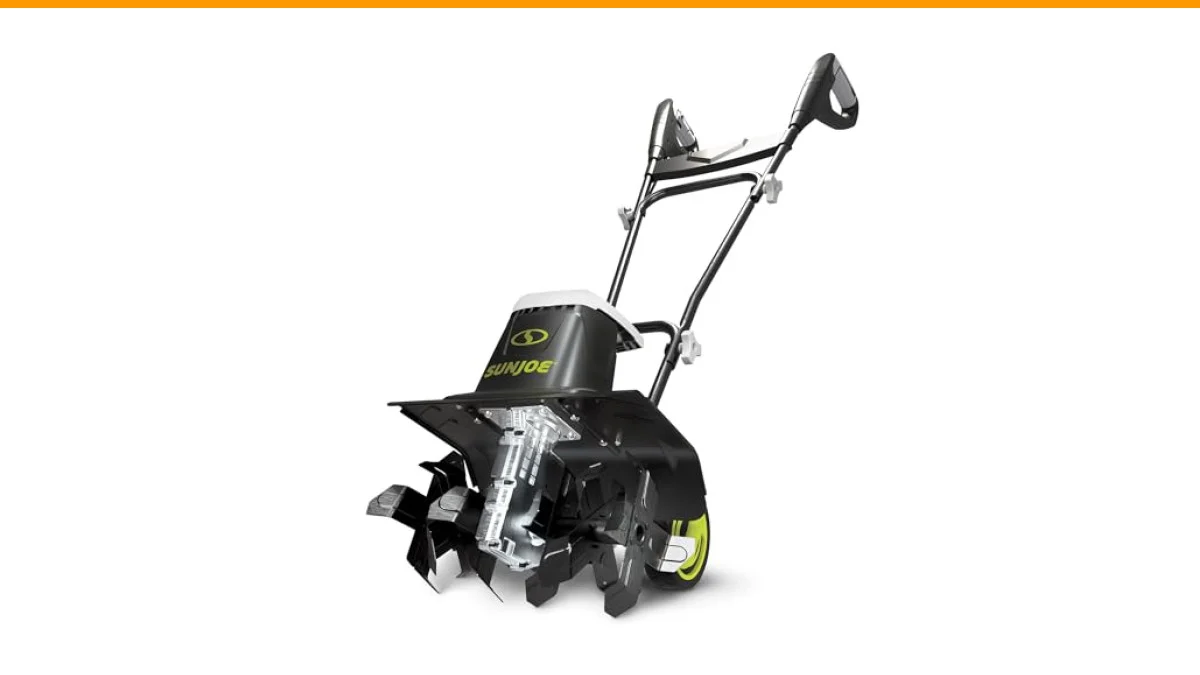
This article will guide you through the essential techniques for using a garden tiller effectively. You’ll learn about the different types of tillers, preparation steps, and tips for maximizing your tiller’s potential. Plus, we’ll introduce a reliable tool that can help you get the job done efficiently: the Sun Joe Corded Electric Garden Tiller & Cultivator.

Sun Joe
Sun Joe Electric Corded Garden Tiller & Cultivator, Steel Tines, 13.5 Amp, 16 Inch, Black - Heavy Duty Gardening Machine Equipment for Lawn, Yard, & Grass, SUJ-TJ604E
- Powerful Electric Tiller: Electric rototiller with a 13.5-amp motor easily tills up to 16 inches wide and 8 inches deep for effici…
- Durable Steel Tines: This corded electric tiller features 6 rust-proof, steel-angled tines for long-lasting performance and durabi…
- Compact and Convenient: This small garden tiller with a folding handle ensures easy storage and transport for gardeners and homeow…
The Sun Joe tiller features a powerful 13.5-amp motor, making it capable of tilling up to 16 inches wide and 8 inches deep. With six durable, rust-proof steel tines, it ensures long-lasting performance and easy operation, especially in smaller gardening spaces.
Types of Garden Tillers
Before diving into how to use a garden tiller, it’s essential to understand the types available:
- Rotary Tillers: These are the most common types and use rotating blades to break up soil. They are powerful and suitable for larger areas.
- Rear-Tine Tillers: These are designed for heavy-duty work and are best for breaking up hard ground. They have tines in the back, making them easier to control.
- Front-Tine Tillers: These are lighter and more maneuverable, ideal for smaller gardens and light tilling tasks.
- Electric vs. Gas Tillers: Electric tillers are quieter and require less maintenance, while gas tillers offer more power for larger projects.
Preparing to Use Your Garden Tiller
Preparation is key to successful tilling. Follow these steps:
- Clear the Area: Remove any debris, rocks, or large clumps of grass from the area you intend to till. This prevents damage to your tiller and ensures even tilling.
- Moisten the Soil: Tilling dry soil can lead to dust, while overly wet soil may clump. Aim for slightly moist soil for optimal results.
- Check Tiller Settings: If using the Sun Joe tiller, adjust the wheels to the desired depth. The adjustable wheels on this model give you three positions for optimal control.
Once you’ve prepared the area, you’re ready to start tilling.
How to Use a Garden Tiller Effectively
Follow these practical steps for effective tilling:
- Start with a Straight Pass: Begin at one edge of the area and run the tiller in a straight line. This ensures even coverage and prevents missed spots.
- Overlap Passes: As you make successive passes, overlap the previous pass by about one-third. This guarantees consistent tilling depth and coverage.
- Vary the Direction: For comprehensive soil aeration, change the direction of your passes. Tilling in both north-south and east-west directions can enhance soil mixing.
- Monitor Depth: Keep an eye on the depth of tilling. Adjust the wheels as needed for different soil types or areas requiring more attention.
- Finish with Raking: After tilling, use a rake to level out any uneven patches and incorporate organic matter if desired.
Common Misconceptions About Tillers
More Power Equals Better Performance?
Many assume that a higher wattage or horsepower means a better tiller. However, this isn’t always true. A tiller’s effectiveness often depends on its design and the type of soil being worked. A well-designed electric tiller like the Sun Joe is powerful enough for most home gardening tasks, proving that efficiency can come from a balanced design rather than sheer power.
Tilling is Only for New Gardens
Some people believe tilling is only necessary when establishing a new garden. In reality, established gardens benefit from periodic tilling. It helps aerate the soil, incorporates nutrients, and breaks up compacted areas. Regular tilling can keep your garden thriving.
Comparison of Tilling Methods
| Method | Best For | Advantages | Disadvantages |
|---|---|---|---|
| Electric Tiller | Small to medium gardens | Low maintenance, no gas | Limited power for hard soil |
| Gas Tiller | Large gardens or tough soil | High power and range | More maintenance, heavier |
| Hand Tiller | Small patches or raised beds | Portable and quiet | Labor-intensive, time-consuming |
| Rear-Tine Tiller | Hard or rocky soil | Powerful and efficient | More expensive, bulkier |
FAQs About Using a Garden Tiller
How often should I till my garden?
Tilling once a year is sufficient for most gardens. However, if you notice compacted soil or weed issues, consider tilling more frequently.
Can I till wet soil?
Tilling wet soil can lead to clumping and damage to soil structure. Aim for slightly moist conditions for best results.
What should I do with the soil after tilling?
After tilling, rake the soil to level it and consider adding compost or other organic matter to enhance fertility.
Is it necessary to use a garden tiller?
While not strictly necessary, using a garden tiller can significantly improve soil preparation, making it easier to plant and establish a healthy garden.
Can I use a tiller in rocky soil?
Yes, but be cautious. A tiller can handle small rocks, but larger rocks may damage the tines. Remove large rocks before tilling.
Final Insights for Successful Tilling
- Choose the right tiller for your garden size and soil type.
- Always clear the area of debris before tilling.
- Adjust your tiller’s settings for optimal performance.
- Till once a year or as needed for maintenance.
- Monitor soil moisture for best results.
- Incorporate organic matter after tilling for improved soil health.
- Consider the Sun Joe tiller for an efficient, low-maintenance option.