
Introduction
Imagine starting your lawn mower on a warm Saturday morning, only to find it sputters and struggles to run. Frustrating, right? Many issues stem from the fuel system, a critical component that ensures your mower operates smoothly. Understanding its parts helps diagnose problems and keep your mower in top shape.
This article provides a comprehensive overview of lawn mower fuel system components, including their functions, signs of failure, and maintenance tips. You’ll walk away with the knowledge to troubleshoot and maintain your mower effectively.

Strongthium
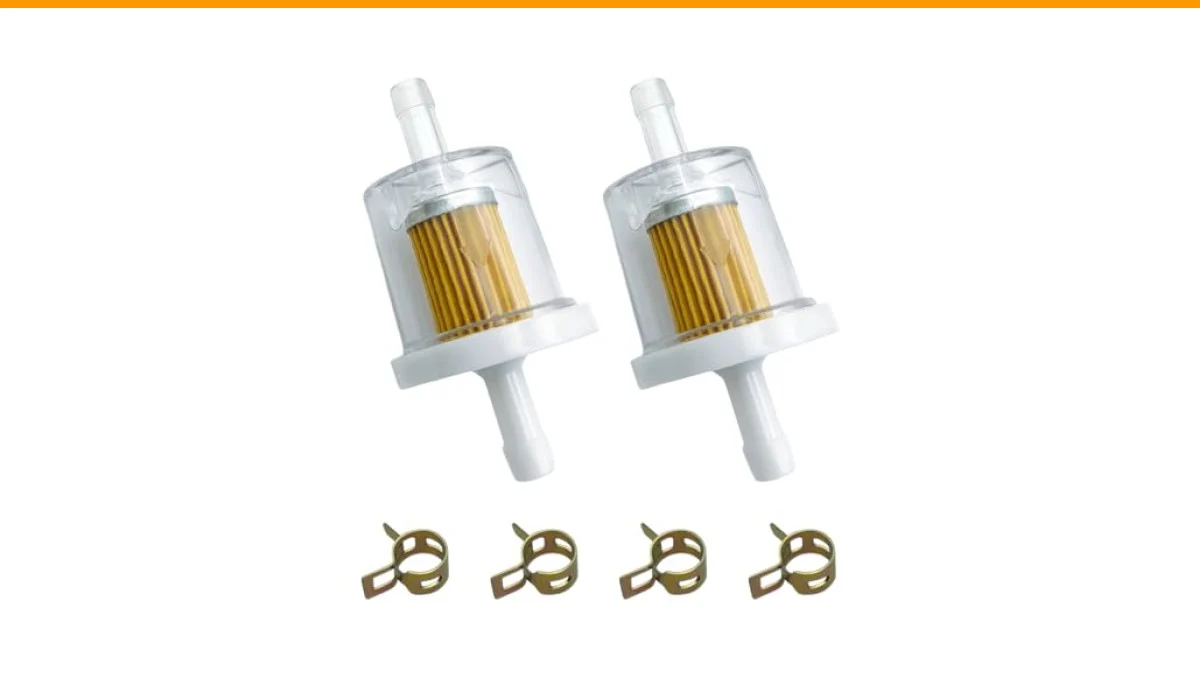
Strongthium 691035 493629 1/4" 40 Micron Inline Fuel Filter Kit | Compatible with Briggs and Stratton Kawasaki 490190027 84001895 80025019 Toro Craftsman MTD Snapper Lawn Tractor Generator
- Brand new and high-quality replacement Fuel Filter for many small engine 1/4 inch id fuel lines such as BS Powermore Troy bilt Cub…
- This is an aftermarket replacement fuel filter kit designed for select compatible small engines. Compatible with 5065k Part Number…
- Wide range of applications for many brands and types of dirt bikes, ATVs, lawn mowers, small tractors, garden equipment, snowmobil…
A key component in maintaining your mower’s performance is the fuel filter. The Strongthium 691035 493629 1/4″ 40 Micron Inline Fuel Filter Kit is an excellent choice for many small engines. This aftermarket filter captures debris before it reaches the carburetor, helping to prolong the life of your mower.
Core Components of Lawn Mower Fuel Systems
Lawn mower fuel systems comprise several critical components, each serving a unique purpose. Understanding these parts can help you maintain your mower effectively.
1. Fuel Tank
The fuel tank is where the gasoline is stored. Most tanks are made from durable plastic or metal, designed to withstand various weather conditions. Ensure the tank is clean and free from debris. A clogged tank can restrict fuel flow, leading to performance issues.
2. Fuel Lines
Fuel lines transport gasoline from the tank to the engine. They must be in good condition, without cracks or leaks. If you notice any signs of wear, replace them promptly to prevent fuel loss and potential engine damage.
3. Fuel Filter
The fuel filter removes impurities from the gasoline before it reaches the carburetor. A clogged filter can reduce fuel flow, causing the engine to run poorly. The Strongthium fuel filter mentioned earlier is designed to capture particles effectively, ensuring cleaner fuel reaches your engine.
4. Carburetor
The carburetor mixes air and fuel in the correct ratio for combustion. If it becomes dirty or clogged, the mower may not start or could run inefficiently. Regular cleaning can prevent these issues.
5. Fuel Pump
The fuel pump moves fuel from the tank to the carburetor. Some mowers have gravity-fed systems, while others rely on a mechanical or electronic pump. If your mower struggles to start, the fuel pump may be malfunctioning.
Signs of Fuel System Issues
Identifying problems early can save you from costly repairs. Here are some common signs of fuel system issues:
- Engine Stalling: If your mower stalls frequently, it might be due to a clogged fuel filter or a failing fuel pump.
- Difficulty Starting: Hard starts can indicate fuel line blockages or carburetor issues.
- Poor Performance: A decrease in power while mowing often points to fuel system problems.
- Fuel Leaks: Any visible fuel pooling around the mower is a clear sign of a leak that needs immediate attention.
Maintenance Tips for Fuel Systems
Proper maintenance can help extend the life of your lawn mower’s fuel system. Here are some practical tips:
- Regularly Replace the Fuel Filter: Change your fuel filter every season or after 50 hours of use.
- Inspect Fuel Lines: Check your fuel lines for cracks or leaks at least once a season.
- Clean the Carburetor: Use a carburetor cleaner to remove any buildup that may hinder performance.
- Store Properly: If you store your mower for winter, consider using a fuel stabilizer to prevent degradation.
Comparative Overview of Fuel System Components
| Component | Function | Maintenance Frequency |
|---|---|---|
| Fuel Tank | Stores gasoline | Inspect before each use |
| Fuel Lines | Transport fuel | Check every season |
| Fuel Filter | Removes impurities | Replace every season |
| Carburetor | Mixes air and fuel | Clean every season |
| Fuel Pump | Moves fuel to engine | Test annually |
Frequently Asked Questions
What type of fuel should I use in my lawn mower?
Most lawn mowers run on regular unleaded gasoline with an octane rating of 87 or higher. Check the owner’s manual for specific recommendations.
How often should I replace the fuel filter?
Replace the fuel filter every season or after 50 hours of use to ensure optimal performance. Dirty filters can restrict fuel flow.
What are the signs of a failing fuel pump?
Signs include difficulty starting, stalling during operation, or sputtering. If you notice these symptoms, inspect the fuel pump.
Can I clean my carburetor myself?
Yes, cleaning the carburetor is a manageable task for most homeowners. Use a carburetor cleaner and follow the manufacturer’s instructions.
Why does my mower leak fuel?
Fuel leaks can occur due to damaged fuel lines, a faulty fuel pump, or a loose fitting. Address leaks immediately to prevent fire hazards.
Final Thoughts
- Understanding lawn mower fuel system components is crucial for maintenance.
- Regularly replace your fuel filter to keep the engine running smoothly.
- Inspect fuel lines for signs of wear and tear.
- Clean the carburetor to avoid starting issues.
- Store your mower with a fuel stabilizer during the off-season.
- Address any fuel leaks promptly to ensure safety.
- Consider using quality aftermarket parts like the Strongthium fuel filter for reliability.


