Understanding Lawn Mower Pollution: A Comprehensive Overview
Contents
Introduction
Imagine it’s a sunny Saturday morning. You’re outside, coffee in hand, enjoying the sight of your freshly mowed lawn. But have you ever stopped to consider the environmental cost of that pristine green space? Lawn mowers, while essential for maintaining your yard, contribute significantly to air pollution. In this article, we’ll break down how much pollution lawn mowers create, the types of emissions they produce, and some practical alternatives.
Understanding the pollution from lawn mowers not only raises awareness but also encourages us to make more sustainable choices. By the end of this article, you’ll know the specific pollutants emitted by various types of lawn mowers and learn about cleaner alternatives to help minimize your environmental footprint.
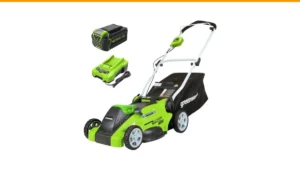
One such alternative is the increasing availability of electric mowers. They produce far less pollution compared to traditional gas-powered models. Switching to an electric mower could significantly reduce your carbon footprint while still keeping your lawn looking its best.
Types of Lawn Mowers and Their Pollution Levels
Different types of lawn mowers emit varying levels of pollution. Gas-powered mowers are the most common, but they are also the most polluting. Here’s a brief overview:
- Gas-Powered Lawn Mowers: These machines are notorious for their emissions. A typical gas mower emits as much pollution in one hour as driving a modern car for over 100 miles. They release carbon monoxide, nitrogen oxides, and volatile organic compounds (VOCs).
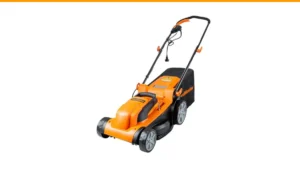
- Electric Lawn Mowers: Electric models generate little to no emissions at the point of use. They run on battery or electric power, making them a cleaner option. However, their overall environmental impact depends on how the electricity is generated.
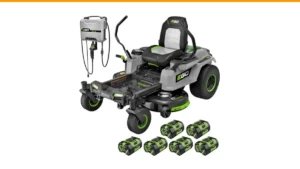
- Robotic Lawn Mowers: These automated devices typically use battery power and are more energy-efficient. Some models also offer solar charging options, further reducing their environmental impact.
In terms of actual numbers, gas mowers can emit around 88 grams of hydrocarbons per hour, while electric mowers produce negligible emissions. This stark difference is a compelling reason to consider switching to a cleaner option.
Comparative Pollution Emissions of Lawn Mowers
| Lawn Mower Type | Average Emissions (grams/hour) | Pollutants |
|---|---|---|
| Gas-Powered Mower | 88 | Hydrocarbons, CO, NOx |
| Electric Mower | 0 (at use) | None (depends on power source) |
| Robotic Mower | 0 (at use) | None (depends on power source) |
Environmental Impact of Lawn Mower Pollution
So, how much pollution do lawn mowers create, and why should we care? Lawn mowers contribute to the larger issue of air quality, especially in urban areas. The emissions from gas mowers are particularly concerning. They release pollutants that can lead to smog formation and respiratory problems, affecting both human health and the environment.
For instance, the California Air Resources Board has reported that small off-road engines, including lawn mowers, account for about 5% of the state’s air pollution. In many urban areas, the concentration of pollutants can exceed safe levels, posing risks to vulnerable populations, including children and the elderly.
Reducing Lawn Mower Pollution
Reducing pollution from lawn mowers is achievable through several straightforward actions:
- Switch to Electric: Opting for electric mowers can drastically lower emissions. Consider battery-powered options for maximum efficiency.
- Maintain Your Equipment: Regular maintenance of gas mowers can improve efficiency and reduce emissions. This includes cleaning air filters and using the right oil.
- Choose the Right Time: Mowing during cooler parts of the day can help minimize the impact on air quality.
- Minimize Use: Only mow when necessary, and consider alternatives like letting clover grow or using a mulching mower.
Making these changes can contribute to cleaner air and a healthier environment.
FAQs About Lawn Mower Pollution
How do gas mowers compare to electric mowers in terms of emissions?
Gas mowers produce significantly higher emissions, with an average of 88 grams of hydrocarbons per hour, while electric mowers produce virtually no emissions at the point of use.
What pollutants are released by gas-powered lawn mowers?
Gas mowers primarily emit carbon monoxide, nitrogen oxides, and volatile organic compounds. These pollutants contribute to air pollution and health issues.
Are there any regulations on lawn mower emissions?
Yes, there are regulations in place, particularly in states like California, aimed at reducing emissions from small engines, including lawn mowers.
What are the benefits of using a robotic lawn mower?
Robotic mowers typically use battery power, resulting in lower emissions. Many models also offer energy-efficient features, which can further reduce environmental impact.
How can I maintain my gas mower to reduce emissions?
Regular maintenance, such as changing oil, cleaning air filters, and ensuring the engine runs efficiently, can help reduce emissions from gas mowers.
Final Thoughts on Lawn Mower Pollution
- Gas mowers emit significant pollutants, impacting air quality.
- Electric and robotic mowers are cleaner alternatives.
- Regular maintenance of gas mowers can improve efficiency.
- Mowing during cooler times can help reduce emissions.
- Consider the environmental impact of your lawn care choices.
- Switching to electric mowers can significantly lower your carbon footprint.
- Small changes in lawn care practices can lead to cleaner air and healthier communities.