Understanding Lawn Mower Electrical Systems: Diagrams and Insights
Contents

Introduction
Many homeowners face a common dilemma when it comes to maintaining their lawns: how to choose the right lawn mower and keep it in optimal condition. A well-functioning lawn mower is essential for a tidy yard, but what happens when it stops working? Often, the culprit lies within the electrical system. Understanding the electrical system of a lawn mower can save you time and money and help you troubleshoot issues effectively.
In this article, you will learn about the components of a lawn mower‘s electrical system, how to interpret electrical diagrams, and address common misconceptions that could lead to further confusion. By the end, you will have a clearer understanding of lawn mower electrical systems and be better equipped to handle issues when they arise.

LawnMaster
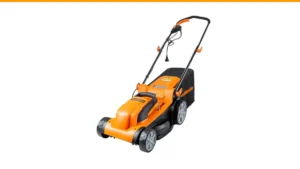
LawnMaster MEB1114K Electric Corded Lawn Mower 15-Inch 11AMP
- POWERFUL PERFORMANCE: Tackle your yard with 3,300 RPM of power and a 14-inch cutting width
- ENVIRONMENTALLY FRIENDLY: No gas or batteries needed to power the mower
- CUSTOMIZE YOUR CUT: Effortlessly change the height of your cut with 5 cutting positions varying between 1.4-inches and 3-inches
If you’re considering an electric mower, the LawnMaster MEB1114K Electric Corded Lawn Mower is a solid choice. With its powerful 11AMP motor and 14-inch cutting width, it combines performance with environmental friendliness, eliminating the need for gas or batteries.
Components of a Lawn Mower Electrical System
The electrical system of a lawn mower includes several key components:
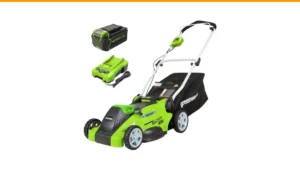
- Battery: If your mower is battery-operated, the battery provides the necessary power to run the motor.
- Starter Motor: This component engages the engine when you turn the ignition key or push the start button.
- Wiring Harness: The wiring harness connects all the electrical components, allowing electricity to flow between them.
- Switches: These include the ignition switch and safety switches that prevent the mower from starting unless certain conditions are met.
- Motor: The motor converts electrical energy into mechanical energy, powering the blades.
Understanding these components will help you identify where issues may arise in the electrical system.
Reading Lawn Mower Electrical Diagrams
Electrical diagrams for lawn mowers can seem complicated, but they follow a standard format. Here’s how to read them:
- Understand Symbols: Familiarize yourself with common symbols used in electrical diagrams. For example, a circle often represents a battery, while lines denote wires.
- Trace the Flow: Start from the power source and trace the flow of electricity through the components. This helps identify where a break in the circuit may occur.
- Identify Connections: Look for junctions in the diagram where wires connect. These are often points where issues can arise due to loose connections or corrosion.
For a more in-depth look at lawn mower wiring diagrams, you can check resources like Mower Mentor.
Common Misconceptions About Lawn Mower Electrical Systems
No, More Watts Doesn’t Mean Better Performance
A common belief is that a lawn mower with a higher wattage will always perform better. While wattage is a factor, it doesn’t directly correlate with performance. A mower’s efficiency also depends on design, motor quality, and blade sharpness. It’s important to consider the overall specifications rather than just the wattage.
Electric Mowers Aren’t Always Maintenance-Free
Some people assume electric mowers require little to no maintenance. While they don’t need oil changes like gas mowers, they still require regular checks. Ensure connections are tight, and keep the blades sharp for optimal performance. Neglecting these simple tasks can lead to electrical issues or inefficient cutting.
Comparison of Lawn Mower Electrical Systems
| Type | Power Source | Maintenance | Typical Use |
|---|---|---|---|
| Gas | Gasoline | Regular oil changes, spark plug replacement | Large lawns, rough terrain |
| Battery | Rechargeable battery | Battery checks, cleaning terminals | Medium lawns, quiet operation |
| Corded Electric | Electric outlet | Minimal, check cords for wear | Small to medium lawns, no gas needed |
Frequently Asked Questions
What should I do if my electric mower won’t start?
Start by checking the power source. Ensure it’s plugged in if it’s corded, or check the battery charge if it’s battery-operated. Inspect the wiring for any visible damage.
How often should I check my mower’s electrical system?
It’s best to inspect the electrical system at the start of each mowing season. Regular checks throughout the season can help prevent issues.
Can I fix electrical issues on my own?
Many simple issues can be fixed with basic tools and some knowledge. However, for complex problems, consulting a professional is advisable.
Where can I find a wiring diagram for my mower?
Manufacturer manuals often include wiring diagrams. You can also find diagrams online, such as on Briggs & Stratton’s website.
Are electric mowers as powerful as gas mowers?
While electric mowers can be quite powerful, gas mowers typically provide more torque for heavy-duty tasks. Electric mowers excel in smaller, well-maintained lawns.
Final Thoughts
- Understand the key components of lawn mower electrical systems.
- Learn how to read electrical diagrams for troubleshooting.
- Recognize common misconceptions about electric mowers.
- Regular maintenance is crucial for all mower types.
- Consider your lawn size and condition when choosing between gas and electric mowers.
- Resources like manufacturer manuals provide valuable information on electrical systems.
- Stay informed about safety switches and their importance in mower operation.