
Eco Friendly Lawn Mowing Practices
Contents
Imagine stepping outside on a sunny Saturday morning, coffee in hand, looking out at your lawn. You want to keep it neat and healthy, but you also care about the environment. Traditional lawn mowing methods can contribute to pollution and waste, but eco-friendly lawn mowing practices offer sustainable alternatives. This article will guide you through these practices, providing you with actionable tips to maintain your lawn responsibly.
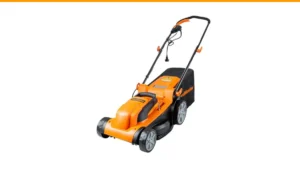
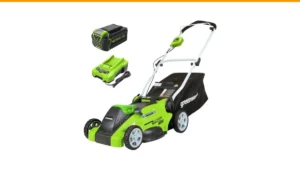
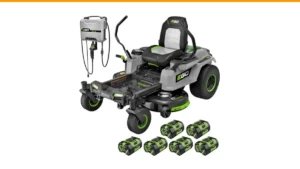
Among the tools available, electric mowers can significantly reduce your carbon footprint compared to gas-powered models. They produce zero emissions and often require less maintenance. While electric mowers can be an investment initially, their long-term benefits make them a worthwhile consideration.
Understanding Eco-Friendly Lawn Mowing Practices
Eco-friendly lawn mowing practices focus on reducing environmental impact while maintaining a healthy and attractive lawn. These practices include using electric or manual mowers, implementing proper mowing techniques, and optimizing lawn care. Here’s a closer look at how you can adopt these methods.
Choosing the Right Mower
One of the first steps toward eco-friendly lawn mowing is selecting the right mower. Here’s a breakdown of popular options:
- Electric Mowers: Quiet, efficient, and emit no greenhouse gases.
- Manual Reel Mowers: Ideal for small yards, they require no fuel or electricity.
- Gas-Powered Mowers: While powerful, they contribute to air pollution and noise.
For most homeowners, electric mowers are the best balance of power and sustainability. They usually operate on rechargeable batteries or plug into a power source, making them efficient for regular use.
Implementing Proper Mowing Techniques
The way you mow can also affect your lawn’s health and environmental impact. Here are some key techniques:
- Cutting Height: Keep your grass at a height of 2.5 to 3.5 inches. This promotes deeper root growth and helps retain moisture.
- Frequency: Mow regularly, but avoid cutting more than one-third of the grass height at a time. This reduces stress on the grass.
- Sharp Blades: Ensure mower blades are sharp for cleaner cuts, which reduces the risk of disease.
These practices not only contribute to a healthier lawn but also reduce the need for additional resources like water and fertilizer.
Grasscycling: A Simple Technique for Sustainability
Grasscycling involves leaving grass clippings on the lawn after mowing. This technique has several benefits:
- Returns nutrients back to the soil, reducing the need for fertilizers.
- Helps retain moisture, minimizing the need for frequent watering.
- Reduces yard waste that would otherwise end up in landfills.
Grasscycling can decrease your fertilizer needs by up to 25%. This simple practice maximizes the natural resources available in your yard.
Comparison of Eco-Friendly Mowing Options
| Mower Type | Power Source | Environmental Impact | Best For |
|---|---|---|---|
| Electric Mower | Electricity | Zero emissions | Medium to large yards |
| Manual Reel Mower | Human power | No emissions | Small yards |
| Gas-Powered Mower | Gasoline | High emissions | Large, tough grass areas |
Common Questions About Eco-Friendly Lawn Mowing Practices
What is grasscycling?
Grasscycling is the practice of leaving grass clippings on your lawn after mowing. This method returns nutrients to the soil and helps retain moisture, which is beneficial for grass health.
Are electric mowers really better for the environment?
Yes, electric mowers produce zero emissions, making them a more eco-friendly option compared to gas-powered mowers. They also tend to be quieter and require less maintenance.
How often should I mow my lawn?
Mowing frequency depends on grass growth, but typically, mowing every 1-2 weeks is ideal during the growing season. Avoid cutting more than one-third of the grass height at once.
Can I mow wet grass?
It’s not advisable to mow wet grass. This can lead to uneven cuts and clumping, which can suffocate the grass underneath. Wait until the grass dries for optimal results.
What are the benefits of using a manual mower?
Manual mowers are quiet, emit no pollutants, and provide a gentle cut that promotes healthy grass growth. They require no electricity or fuel, making them a sustainable choice for small yards.
Actionable Steps for Eco-Friendly Lawn Care
- Choose an electric or manual mower for lower emissions.
- Mow at the right height—2.5 to 3.5 inches—to promote health.
- Implement grasscycling to reduce waste and improve soil health.
- Keep mower blades sharp for clean cuts.
- Mow regularly but avoid cutting more than one-third of the grass height.
- Consider a lawn care regimen that minimizes chemical use.
- Stay informed about sustainable products for lawn care, such as eco-friendly fertilizers.