How to Use a Mattock: A Comprehensive Guide
Contents
Sometimes, a garden project can feel overwhelming. You know you need to break up that compacted soil, clear out stubborn roots, or pry loose some rocks. The right tool can make all the difference. Enter the mattock—a versatile tool that can help you tackle these challenges with ease. In this article, you’ll learn how to use a mattock effectively, including techniques, tips, and common misconceptions about this essential garden implement.
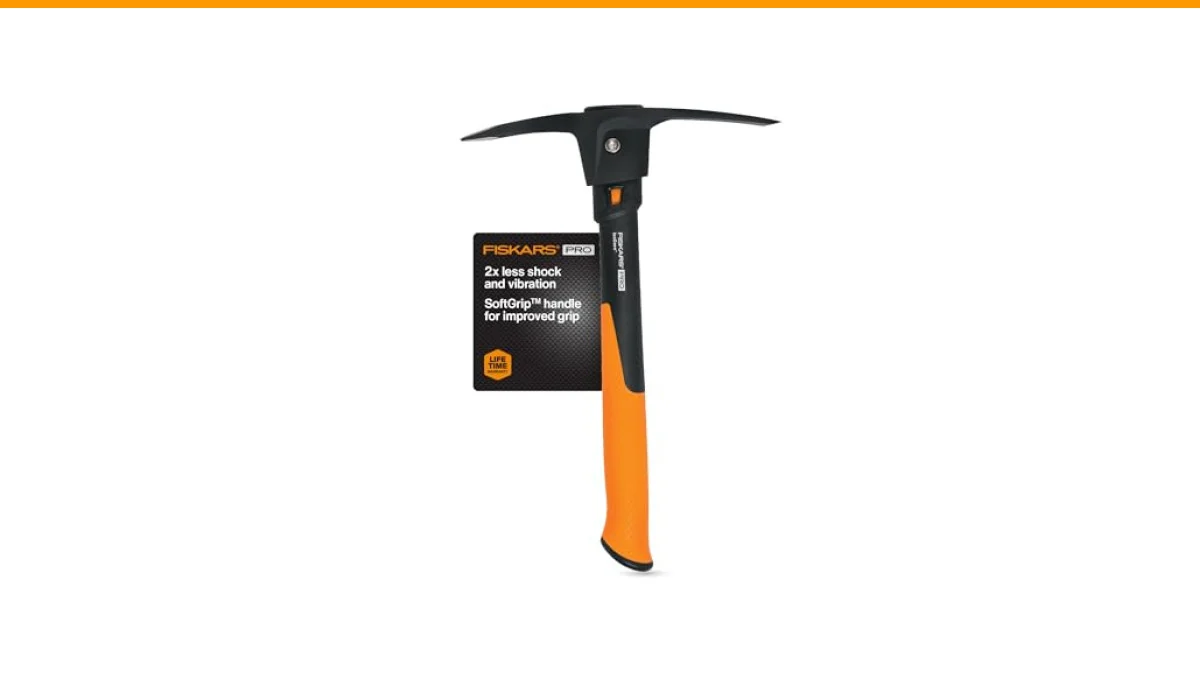
When it comes to choosing a mattock, consider the Fiskars Pro IsoCore 14″ 2-in-1 Pickaxe & Hoe. This tool features a dual pick design ideal for tough jobs like breaking up hardened ground or severing roots. Its patented IsoCore Shock Control System absorbs impact, reducing shock and vibration. This can help minimize user fatigue, allowing you to work longer without discomfort.

Fiskars
Fiskars Pro IsoCore 14" 2-in-1 Pickaxe & Hoe, Shock Reduction, 1.5 lb
- Dual pick mattock tool design tackles tough jobs like breaking up hardened ground, severing roots, and prying rocks
- Patented IsoCore Shock Control System absorbs impact, transferring 2X less shock and vibration than standard pickaxes for reduced…
- Textured, non-slip insulated handle that helps reduce vibrations, maximizes control and minimizes blisters providing comfortable g…
Understanding the Mattock: Types and Uses
A mattock typically has two ends: one side is a pick, while the other is a hoe. This dual functionality makes it suitable for various tasks, from digging and prying to chopping and cultivating. Here are the primary types of mattocks:
- Pick Mattock: Features a pointed end for breaking through hard ground and a flat blade for cutting roots and soil.
- Hoe Mattock: Has a wider, flat blade designed primarily for cultivating and moving soil.
- Combination Mattock: Incorporates both tools in one, allowing for versatile use depending on the job.
Whether you’re gardening, landscaping, or working on a construction project, knowing how to use a mattock effectively can save you time and energy.
How to Use a Mattock: Step-by-Step Techniques
Using a mattock involves specific techniques to maximize its effectiveness. Here’s a step-by-step guide:
- Choose the Right Mattock: Select a pick mattock for breaking hard soil or a hoe mattock for cultivating. For general tasks, a combination mattock will suffice.
- Prepare Your Area: Clear away any debris or obstacles from your work area. This ensures safety and efficiency while working.
- Grip the Handle: Hold the handle firmly, ensuring your hands are spaced apart. A good grip will give you better control and reduce the risk of injury.
- Position Yourself: Stand with your feet shoulder-width apart for stability. Position the mattock above the target area, keeping your elbows slightly bent.
- Make Your Swing: Use controlled, downward strikes for digging or chopping. For prying, leverage the pointed end by applying pressure while pulling back.
- Work in Sections: Tackle one section at a time, whether you’re clearing roots or breaking up soil. This helps maintain focus and efficiency.
With practice, you’ll find that using a mattock becomes second nature. Start with lighter tasks before progressing to more challenging jobs.
Common Misconceptions About Using a Mattock
Misconception 1: A Mattock is Only for Heavy-Duty Work
Many people believe that a mattock is only useful for tough tasks. While it excels in heavy-duty applications, it can also be effective for lighter gardening tasks. For instance, using the hoe end can help with weeding and aerating soil.
Misconception 2: You Need to Be Strong to Use a Mattock Effectively
While a mattock is a robust tool, it doesn’t require exceptional strength. The design allows you to leverage your body weight for effective strikes. Proper technique can help anyone use a mattock efficiently.
Comparative Techniques for Using a Mattock
| Technique | Best Use Case | Benefits |
|---|---|---|
| Digging | Breaking up hard soil | Efficiently loosens compacted earth |
| Chopping | Severing roots | Quickly removes stubborn vegetation |
| Cultivating | Preparing garden beds | Prepares soil for planting |
| Prying | Removing rocks | Leverages weight for easier removal |
Frequently Asked Questions
What safety gear should I wear when using a mattock?
It’s advisable to wear safety goggles to protect your eyes from flying debris. Gloves can help prevent blisters and provide a better grip. Sturdy boots will protect your feet from any accidental strikes.
Can I use a mattock on rocky soil?
Yes, a mattock is ideal for rocky soil. The pick end allows you to break through hard surfaces, while the hoe end can help move smaller rocks and debris.
How do I maintain my mattock?
Keep the blade sharp for effective use. After each use, clean the tool to prevent rust, and store it in a dry area. Regularly check for any loose parts or damage.
Is a mattock better than a shovel?
It depends on the task. A mattock excels in breaking up hard soil and cutting roots, while a shovel is better for scooping and moving soil. Both tools have their specific uses.
How do I choose the right size mattock?
Select a size that feels comfortable in your hands. A lighter mattock is easier to handle, while heavier options are better for tougher jobs. Test a few options at your local hardware store if possible.
Final Thoughts: Key Points to Remember
- A mattock is versatile for both heavy-duty and light gardening tasks.
- Choose the right type based on your needs—pick, hoe, or combination.
- Practice proper techniques to improve efficiency and minimize fatigue.
- Wear safety gear to protect yourself while using the tool.
- Maintain your mattock for long-lasting performance.
- Understand the misconceptions to use your mattock effectively.
- For further information on gardening tools, check out best weeder for greenhouse use and pressure washer for garden use.