Garden Sieve for Soil Preparation: Your Essential Guide
Contents
Ready to Transform Your Soil Preparation?
Every gardener, whether a novice or a seasoned pro, knows the importance of quality soil for plant health. Yet, the process of preparing soil can often be laborious and messy. Using a garden sieve can streamline this task, allowing you to create the perfect soil mix without the backache. Imagine sifting through your soil, filtering out unwanted debris while retaining the rich, nutrient-filled components. This essential tool can make a world of difference in your gardening routine.
In this article, you’ll learn how to select and effectively use a garden sieve for soil preparation. We will explore the benefits of using a sieve, how to choose the right one, and share tips and tricks to optimize your gardening efforts. By the end, you’ll be equipped with practical knowledge to elevate your gardening game.

Wenses
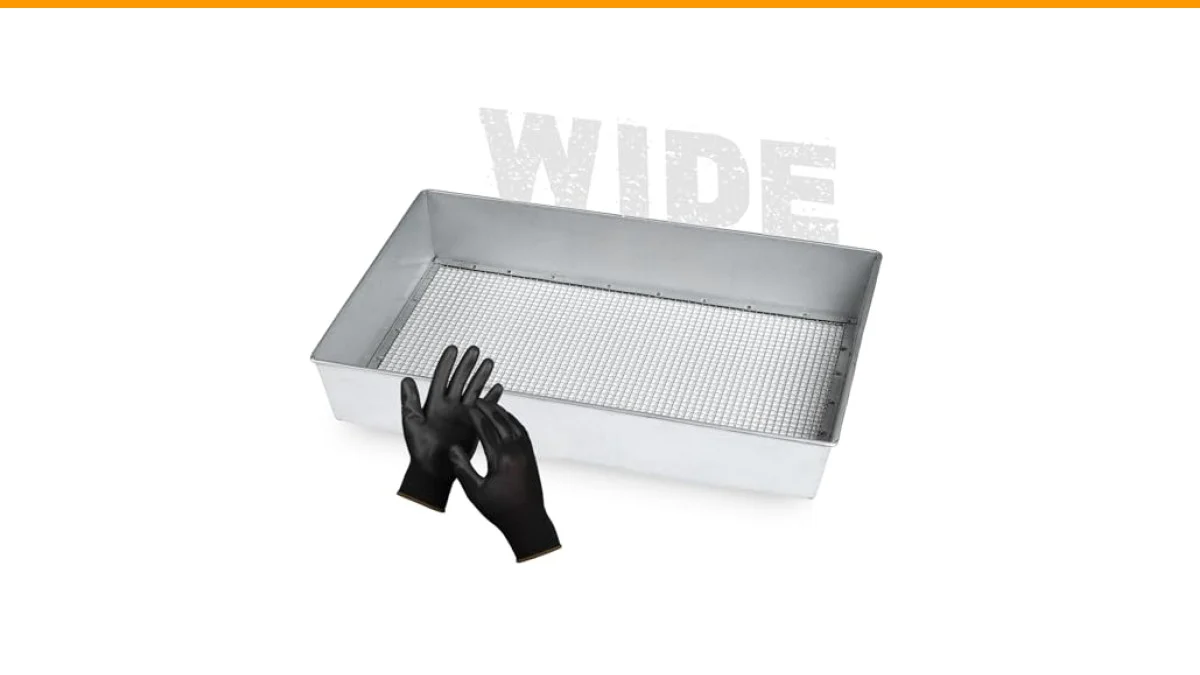
Wenses Wide Soil Sifter, 1/4-inch Galvanized Garden Sieve with Gloves
- FOR MORE THAN JUST GARDENING: Heavy-duty dirt sifter for gardening, composting, landscaping, worm castings, and whatever else need…
- EXPANDED CAPACITY FOR BIG JOBS: Nearly twice the size of our standard garden sieve, our wide dirt sifter handles bigger jobs witho…
- FILTERS WHAT MATTERS: Versatile 1/4" mesh screen for sieving soil, gravel, compost, vermiculite, litter, and more. Keeps what work…
The Wenses Wide Soil Sifter exemplifies a reliable solution for your soil preparation needs. This 1/4-inch galvanized garden sieve is not just built to last; it’s designed for maximum efficiency. With its expanded capacity, you can tackle bigger jobs without slowing down. Plus, it comes with gloves, so you’re ready to sift as soon as it arrives.
Why Use a Garden Sieve?
Many gardeners underestimate the value of using a garden sieve for soil preparation. Here are a few reasons why incorporating a sieve into your gardening routine is essential:
- Improved Soil Quality: A sieve helps separate larger clumps, rocks, and debris from your soil. This results in finer, more workable soil that promotes healthy plant growth.
- Enhanced Drainage: Sifting your soil helps break down compacted materials, improving drainage and aeration.
- Versatile Usage: Beyond soil preparation, a garden sieve can also be used for composting, landscaping, and even sifting through worm castings.
Choosing the Right Garden Sieve
When selecting a garden sieve for soil preparation, consider these factors:
- Mesh Size: A 1/4-inch mesh screen is versatile for various tasks, suitable for sifting soil, gravel, and compost.
- Material: Look for durable materials like galvanized steel, which resist rust and wear over time.
- Size: Depending on your garden size, a wider sieve can save time by handling larger batches of soil.
For example, the Wenses Wide Soil Sifter, with its robust construction and expanded capacity, is ideal for handling big jobs without slowing down.
Common Misconceptions About Garden Sieves
Myth 1: All Sieves Are Created Equal
Many gardeners think any sieve will do. However, sieves vary widely in terms of mesh size and material. A finer mesh is necessary for sifting soil, while a coarser one may be better for other tasks like composting. Using the right sieve for the right job ensures optimal results.
Myth 2: Using a Sieve Is Only for Experienced Gardeners
Another misconception is that sieving soil is too complicated for beginners. In reality, using a garden sieve is simple and can greatly improve your gardening outcomes. It’s an accessible tool for anyone looking to enhance soil quality.
Comparative Overview of Garden Sieves
| Brand | Material | Mesh Size | Dimensions | Special Features |
|---|---|---|---|---|
| Wenses | Galvanized Steel | 1/4 inch | 24 x 18 inches | Includes gloves, expanded capacity |
| Gardena | Plastic | 1/8 inch | 18 x 12 inches | Lightweight, easy to clean |
| Radius Garden | Stainless Steel | 1/4 inch | 20 x 14 inches | Ergonomic handle |
| Garden Weasel | Aluminum | 1/2 inch | 30 x 24 inches | Extra wide, durable |
Frequently Asked Questions
How do I clean my garden sieve?
Cleaning a garden sieve is straightforward. After use, rinse it with water to remove soil and debris. A soft brush can help dislodge stubborn particles. Allow it to dry before storing.
Can I use a garden sieve for compost?
Yes, using a sieve is excellent for composting. It helps separate fine compost from larger materials, ensuring a more uniform texture for your plants.
What type of soil is best for sifting?
Loose, dry soil is ideal for sifting. Avoid using a sieve on wet or compacted soil, as it can clog the mesh and hinder the sifting process.
Is it worth investing in a large sieve?
A larger sieve can save time and effort if you manage a big garden. It allows for handling more soil in one go, making the preparation process quicker.
How often should I use a garden sieve?
Frequency depends on your gardening activities. If you regularly amend soil or work with compost, using a sieve each time can enhance soil quality consistently.
Essential Tips for Effective Soil Preparation
- Always choose the right mesh size for your project.
- Keep your sieve clean for optimal performance.
- Consider using gloves for comfort during extended sifting sessions.
- Pre-dry your soil before sifting to make the process smoother.
- Incorporate organic matter for improved soil texture and fertility.