Imagine transforming your garden this spring. You’ve decided it’s time to cultivate that patch of earth in your backyard, but you’re torn between using an electric tiller or a gas tiller. Each option has its advocates, and your decision can significantly impact your gardening experience. This article will guide you through the key differences, benefits, and drawbacks of electric and gas tillers, helping you make an informed choice for your gardening tasks.
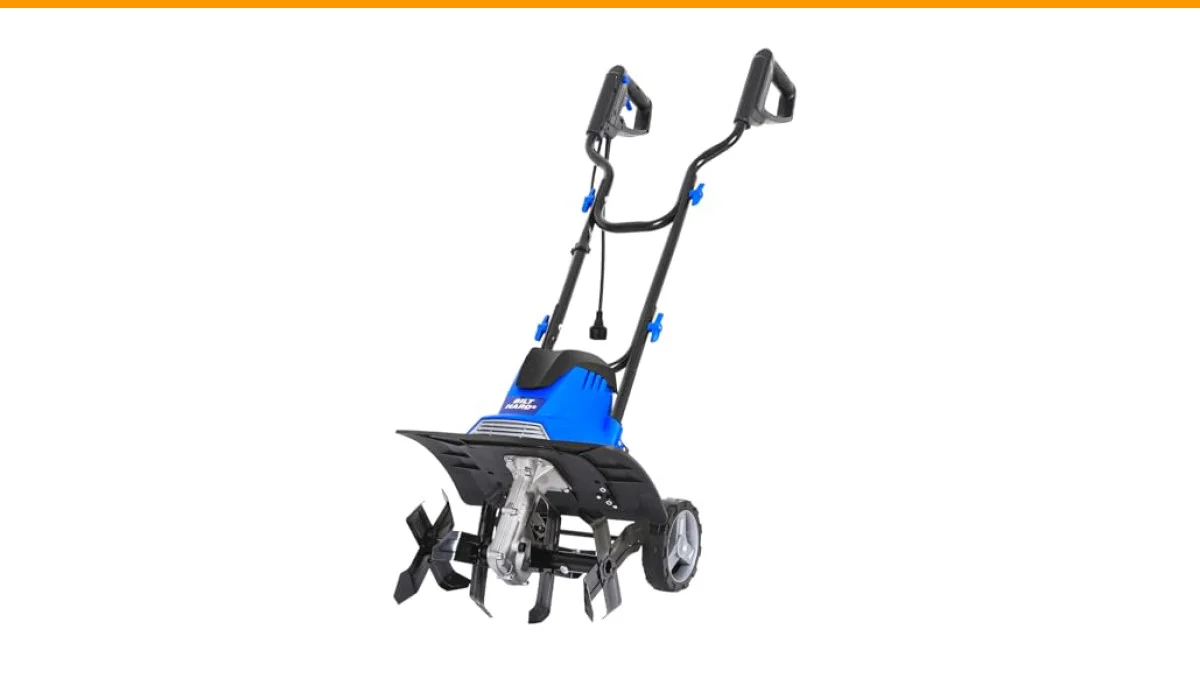
One product worth considering is the BILT HARD Electric Tiller Cultivator. This corded tiller offers a powerful 10 Amp motor, making it suitable for small to medium gardens. Its foldable handle and adjustable wheels enhance portability, allowing easy transport and storage.

BILT HARD
BILT HARD Electric Tiller Cultivator 14 inch, 10 Amp 4 Steel Tines Corded Tiller for Gardening with Foldable Handle, Portable Garden Rototiller with Adjustable Wheels
- Powerful Motor - This electric tiller powered by AC motor that speed up to 17,000RPM, can cultivates up to 14" width x 8.7" depth.
- Heavy Duty Front Tines - 4 rust-resistant blades max speed 360RPM each with 4 angled tines effortlessly slice soil for maximum per…
- Foldable Handles - Four quick bolt knob combinations and H-handle achieve convenient storage and easy transport.
Understanding Electric and Gas Tillers
Electric tillers are often lighter and quieter than their gas counterparts. They run on electricity, either through a cord or rechargeable battery, which makes them suitable for small to medium-sized gardens. Their ease of use and low maintenance needs make them popular among casual gardeners. However, they may lack the power needed for tougher soil or larger areas.
Gas tillers, on the other hand, are typically more powerful and can tackle larger plots of land or tougher soil conditions. They run on gasoline, providing greater mobility without the constraints of a cord. However, they come with drawbacks such as higher maintenance needs, more noise, and emissions, which can be a concern for environmentally conscious gardeners.
Key Factors to Consider in Your Decision
- Power and Performance: Gas tillers generally provide more power, making them better for breaking new ground or working in compacted soil. Electric tillers, like the BILT HARD model, handle lighter tasks efficiently.
- Weight and Portability: Electric tillers are usually lighter, making them easier to maneuver. Gas tillers can be heavier and more cumbersome due to their engine and fuel tank.
- Noise Levels: Electric tillers operate quietly, allowing you to work early in the morning or late at night without disturbing your neighbors. Gas models are louder and can be disruptive.
- Maintenance: Electric tillers require minimal maintenance, while gas models need regular oil changes, fuel checks, and spark plug replacements.
- Environmental Impact: Electric tillers are more eco-friendly, producing no emissions during use. Gas tillers emit carbon dioxide and can contribute to air pollution.
Cost Considerations
Costs can vary significantly between electric and gas tillers. Electric models are generally less expensive to purchase and maintain. They don’t require fuel or oil changes, which can save you money in the long run. Gas tillers have a higher upfront cost and ongoing fuel expenses but can be worth the investment if you need the extra power.
Comparative Overview of Electric vs. Gas Tillers
| Feature | Electric Tiller | Gas Tiller |
|---|---|---|
| Power | Moderate | High |
| Noise Level | Low | High |
| Maintenance | Low | High |
| Weight | Light | Heavy |
| Mobility | Limited (cord) | Unlimited |
| Environmental Impact | Low (no emissions) | High (emissions) |
What is the best use for an electric tiller?
Electric tillers work best in small to medium gardens. They are perfect for light soil cultivation, mixing compost, and maintaining flowerbeds. For household gardens, the BILT HARD Electric Tiller is a great option, offering efficiency without the hassle of gas.
Can electric tillers handle tough soil?
While electric tillers can manage moderately tough soil, they struggle with compacted or rocky ground. If your soil is extremely hard or you need to break new ground, a gas tiller may be more suitable.
How noisy are gas tillers compared to electric tillers?
Gas tillers are significantly louder than electric tillers. An electric model typically operates at around 60-70 decibels, while gas tillers can reach 90 decibels or higher, which can be disruptive in residential areas.
What maintenance is required for each type of tiller?
Electric tillers usually require minimal maintenance, such as checking the power cord and keeping the blades sharp. Gas tillers need regular oil changes, fuel checks, and spark plug replacements to ensure longevity.
Are electric tillers more cost-effective?
Yes, electric tillers are generally more cost-effective over time. They have lower initial costs and no fuel expenses, which can save you money, especially for light garden tasks.
Final Thoughts on Choosing Between Electric and Gas Tillers
- Electric tillers are ideal for small gardens and light soil.
- Gas tillers excel in larger areas and tougher soil conditions.
- Consider noise and maintenance when making your choice.
- Evaluate your gardening needs to select the right tiller type.
- Look for products like the BILT HARD Electric Tiller for reliable performance.
By understanding the differences between electric tillers and gas tillers, you can make a more informed decision that suits your gardening style and requirements. Each type has its strengths and weaknesses, so consider your specific needs before making a purchase.