
Introduction
Weeds can turn a lush, green lawn into an unsightly patch of chaos. You may have experienced the frustration of seeing those stubborn invaders sprout up unexpectedly, stealing nutrients and sunlight from your grass. Whether it’s dandelions, crabgrass, or clover, understanding how to remove weeds from a lawn is essential for maintaining its health and beauty.
This article will guide you through various effective methods to tackle weeds, from manual removal to chemical herbicides. You’ll learn about the tools and techniques that work best for different types of weeds and conditions, ensuring you can reclaim your lawn with confidence.

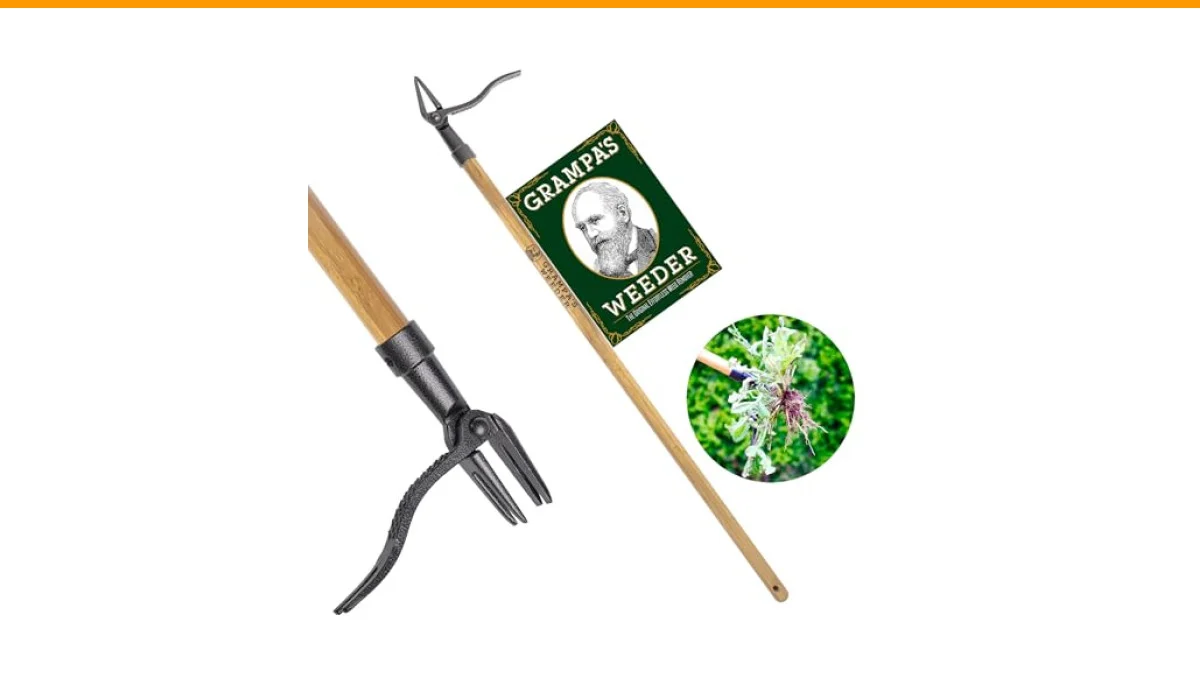
Grampa's Weeder
Grampa's Weeder Original Stand Up Weed Puller Tool with Bamboo Long Handle | 4-Claw Steel Head • Weeding Tool • Weed Remover Tool • Pulls Dandelions, Crabgrass & Taproots • No Bending • Saves Your Back
- Old-School, Easy-To-Use Design That's Been Around Since 1913. Please Review Instructions on How To Use The Tool Properly & Watch P…
- Easy & Simple Weeding Tool That Saves Your Back & Knees With Grampa's 45" Stand Up Long Handle. Remove Weeds Without Bending, Pull…
- Grampa’s Weeder Is The Original Garden Weeder & Has Been Removing Weeds & Their Roots For Over 100 Years. Strong & Durable Weed Pu…
One tool that can aid in this process is the Grampa’s Weeder Original Stand Up Weed Puller Tool. This ergonomic tool allows you to remove weeds without bending or kneeling, making it easier on your back and knees while ensuring you pull out the entire root.
Understanding Weeds and Their Types
Before you can effectively remove weeds, it’s helpful to identify what kinds you’re dealing with. Weeds generally fall into three categories:
- Annual Weeds: These complete their life cycle in one year. Common examples include crabgrass and chickweed.
- Perennial Weeds: These return year after year, such as dandelions and bindweed. They can be particularly challenging because their roots can survive harsh conditions.
- Biennial Weeds: They take two years to mature and often include plants like burdock.
Recognizing these categories helps you select the best removal strategy.
Manual Weeding Techniques
Manual weeding is often the most straightforward and environmentally friendly option. Here’s how to do it effectively:
- Timing: Weeds are easier to pull after a rainfall or watering session when the soil is moist.
- Tools: Use a weeding tool, like Grampa’s Weeder, which allows you to leverage your strength for effective root removal.
- Technique: Grasp the weed close to the base and pull upwards steadily. Ensure you remove the entire root to prevent regrowth.
Some weeds, like dandelions, may require a bit more effort. Make sure to pull them out slowly to avoid breaking the root.
Chemical Options for Weed Control
Chemical herbicides can be effective, but they come with risks. Here’s a guide to using them safely:
- Types of Herbicides: Pre-emergent herbicides prevent weed seeds from germinating, while post-emergent herbicides kill existing weeds.
- Application: Follow the manufacturer’s instructions carefully. Apply during calm weather to prevent drift onto desirable plants.
- Safety: Wear protective clothing and ensure pets and children are kept away from treated areas.
Using chemicals should be a last resort, especially if you have children or pets. Many homeowners prefer organic solutions to avoid chemical exposure.
Preventive Measures for Weed Control
Prevention is often the best strategy. Here are some effective measures:
- Healthy Lawn Care: Mow regularly and keep your grass at a height of 2.5 to 3 inches. This helps shade the soil and reduce weed seed germination.
- Fertilization: A well-nourished lawn can outcompete weeds. Use a balanced fertilizer to promote growth.
- Mulching: In garden beds, apply mulch to suppress weed growth.
Regular lawn maintenance creates an environment where weeds struggle to thrive.
Comparison of Weed Removal Methods
| Method | Pros | Cons |
|---|---|---|
| Manual Weeding | Environmentally friendly; immediate results | Labor-intensive; time-consuming |
| Chemical Herbicides | Quick and effective | Potential harm to surrounding plants; environmental concerns |
| Preventive Measures | Sustainable; reduces future weed problems | Requires ongoing maintenance |
FAQs about Weed Removal
1. What’s the best time to remove weeds?
The best time is after a rain or watering when the soil is soft. Weeds are easier to pull out when the ground is moist.
2. How often should I check for weeds?
Inspect your lawn at least once a week, especially during the growing season. Early detection makes for easier removal.
3. Can I use vinegar to kill weeds?
Yes, vinegar can be an effective natural herbicide due to its acetic acid content. However, it may also harm desired plants, so apply it carefully.
4. How do I prevent weeds from coming back?
Maintain a healthy lawn through proper mowing, watering, and fertilization. Mulching in garden beds also helps prevent new weeds from sprouting.
5. Are there any organic weed removal options?
Yes, options like boiling water, salt, or vinegar can work effectively. Just be cautious as they may also harm surrounding plants.
Take Action to Keep Your Lawn Weed-Free
- Identify the types of weeds in your lawn.
- Use manual weeding tools for effective root removal.
- Consider chemical options if manual methods aren’t sufficient.
- Implement preventive measures to maintain a healthy lawn.
- Regularly inspect your lawn for early signs of weeds.
- Explore organic solutions if you prefer chemical-free methods.
- Invest in tools like Grampa’s Weeder for efficient weeding.



