How to Prune Roses for Beginners: A Step-by-Step Guide
Contents
Maintaining a vibrant rose garden can feel overwhelming, especially for beginners. Imagine standing before a bush of tangled stems and wilting blooms, unsure of where to start. Pruning roses is crucial for promoting healthy growth, encouraging blooms, and preventing diseases. This guide will equip you with everything you need to know about how to prune roses for beginners, transforming your anxiety into confidence.
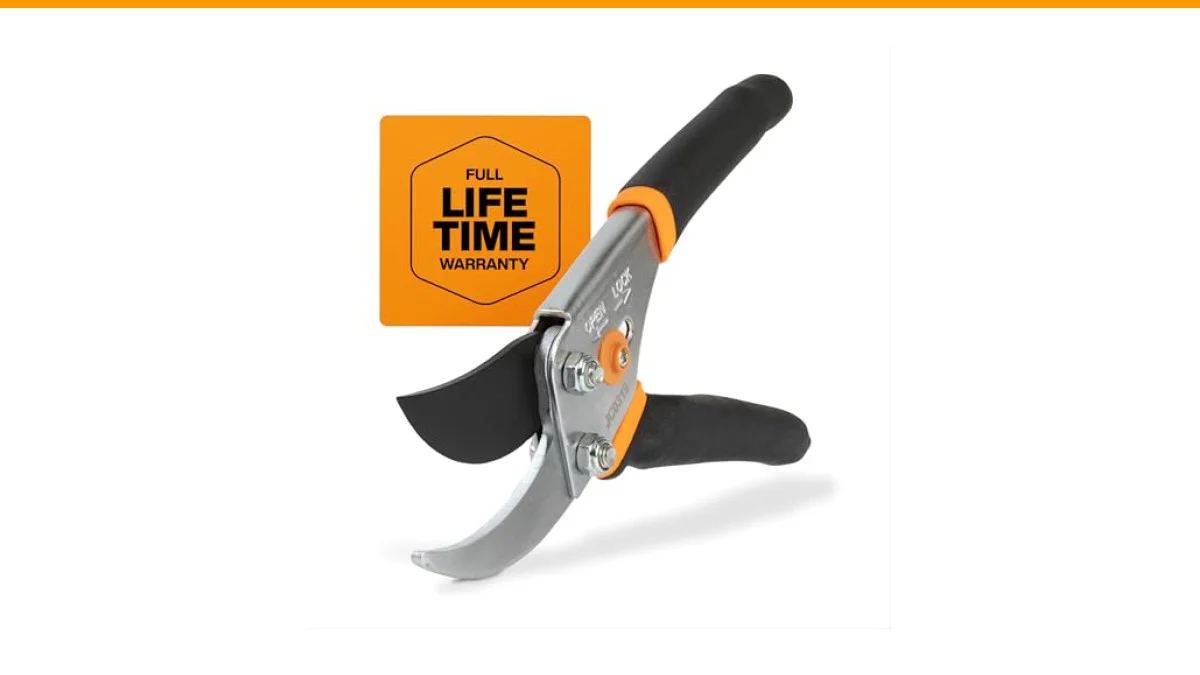
With the right tools, knowledge, and timing, you can nurture your roses into stunning displays. For effective pruning, consider adding the Fiskars Bypass Pruning Shears to your toolkit. Their precision-ground steel blades make clean cuts, reducing damage to delicate flower stems and ensuring your plants thrive.

Fiskars
Fiskars Bypass Pruning Shears, 5/8" Cut Capacity Garden Clippers | Self-Cleaning Sap Groove Prevents Sticking, Non-Slip Grip for Cutting Stems & Branches, Steel Blades w/ Low-Friction Coating
- CLEAN CUTS FOR LIVE GROWTH: Bypass blade design is ideal for pruning delicate flower stems and green growth, helping reduce crushi…
- BLADES STAY SHARP: Precision-ground steel blades are engineered to stay sharp through heavy use, & all-steel construction provides…
- SMART BLADE FEATURES: Blade coating helps reduce friction for smoother cuts, minimizes sap buildup & gumming, and enhances resista…
Understanding When to Prune Roses
Timing is crucial when it comes to pruning roses. The best time to prune most rose varieties is in early spring, just as the buds begin to swell. This period encourages new growth while minimizing the risk of frost damage. However, if you’re in a warmer climate, you may need to adjust your schedule slightly. Here are some general guidelines:
- Hybrid Teas and Floribundas: Prune in early spring before new growth begins.
- Climbing Roses: Prune after flowering, generally in late summer or early fall.
- Old Garden Roses: Minimal pruning is needed; focus on removing dead wood and shaping.
- Miniature Roses: Prune lightly in spring to maintain shape.
Essential Pruning Techniques
Once you know when to prune, the next step is understanding how to prune roses effectively. Follow these detailed steps to ensure you do it correctly:
- Gather Your Tools: Use sharp pruning shears like the Fiskars Bypass Pruning Shears for clean cuts. You’ll also need gloves and possibly loppers for thicker branches.
- Inspect Your Roses: Look for dead, damaged, or diseased wood. These stems should be your priority during pruning.
- Make Your Cuts: Cut just above a healthy bud at a 45-degree angle. This encourages new growth while preventing moisture accumulation at the cut site.
- Shape the Bush: Aim to create an open center for better airflow. Remove inward-growing stems to allow light to reach the inner parts of the plant.
- Clean Up: Dispose of all cuttings to avoid disease spread and pests.
Common Mistakes to Avoid
Beginners often make a few key errors when pruning roses. Here are three common mistakes and how to avoid them:
- Pruning Too Late: Waiting too long can lead to frost damage on new cuts. Stick to your schedule.
- Not Using Sharp Tools: Dull shears crush stems instead of creating clean cuts. Make sure your tools are sharp and well-maintained.
- Over-Pruning: Avoid removing more than one-third of the plant in a single season. This can stress your roses and hinder growth.
Comparing Pruning Methods
| Method | Best For | Pros | Cons |
|---|---|---|---|
| Light Pruning | Established plants | Maintains shape | May not promote vigorous growth |
| Hard Pruning | Overgrown roses | Encourages new growth | Risk of shock |
| Selective Pruning | Varied rose types | Targets specific issues | Time-consuming |
Frequently Asked Questions
How often should I prune my roses?
Most roses should be pruned once a year in early spring. However, some varieties may require light trimming throughout the growing season to maintain their shape.
Can I prune roses in the fall?
While it’s best to prune in spring, you can remove dead or diseased wood in the fall. Avoid heavy pruning close to winter to prevent frost damage.
What if I don’t know what type of rose I have?
Identifying your rose type may be challenging. Look for characteristics such as growth habit, flower type, and leaf shape. Consulting a local nursery can provide insights.
Do I need to use sealant on cuts?
Generally, modern recommendations suggest not using sealant. Clean cuts heal naturally without it. However, if you’re cutting particularly thick stems, you might consider sealant for extra protection.
How can I tell if my pruning was successful?
Healthy new growth in the spring is a good indicator. Additionally, observe for blooming flowers later in the season, which shows your efforts were effective.
Final Thoughts on Pruning Roses
- Prune roses in early spring for optimal growth.
- Use sharp, clean tools like Fiskars Bypass Pruning Shears.
- Focus on removing dead, damaged, or diseased wood.
- Aim to create an open center for better airflow.
- Avoid over-pruning; keep cuts to one-third of the plant.
- Dispose of all clippings to prevent disease.
- Consider reading more about gardening for beginners for additional tips.