The Best Perennials for Cutting Gardens
Contents

Creating Your Cutting Garden
Imagine stepping into your garden and being greeted by vibrant blooms, ready for cutting and arranging into beautiful bouquets. A cutting garden not only provides endless enjoyment but also allows you to bring a piece of your garden indoors. Choosing the right perennials is key to ensuring a continuous supply of flowers throughout the growing season.
In this article, you’ll learn about the best perennials for cutting gardens, including their unique characteristics, growing conditions, and tips for care. By the end, you’ll be equipped to curate a cutting garden that enhances your home with stunning floral displays.
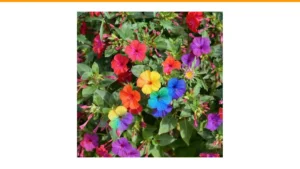
Among the top choices for cutting gardens is the 300+ Mixed Lisianthus Flower Seeds. These seeds yield flowers in a variety of colors and have a long blooming period, making them an excellent choice for floral arrangements.
Top Perennials for Cutting Gardens
Not all perennials are created equal when it comes to cutting. Here’s a list of some of the best perennials for cutting gardens:
- Peonies: Known for their large, fragrant blooms, peonies are a favorite for bouquets. They thrive in well-drained soil and full sun.
- Lilies: With their striking shapes and colors, lilies add drama to arrangements. They prefer slightly acidic soil and require good drainage.
- Delphiniums: Tall and elegant, delphiniums produce stunning spikes of flowers. They grow best in cooler climates and require staking for support.
- Rudbeckia (Black-Eyed Susan): These hardy blooms are bright and cheerful, perfect for summer bouquets. They tolerate a range of soil types and prefer full sun.
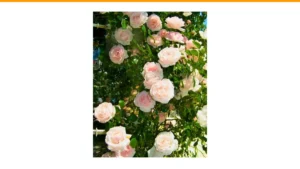
- Lisianthus: This elegant flower resembles a rose and comes in various colors. It does well in mixed borders and is a standout in arrangements.
Growing Conditions and Care
To maximize the potential of your cutting garden, consider the following factors:
- Light: Most perennials prefer full sun, which means at least six hours of direct light per day. Ensure your garden is positioned to receive adequate sunlight.
- Soil: Well-draining soil is essential. You can improve your soil by adding organic matter like compost.
- Watering: Regular watering helps establish plants, especially during dry spells. Avoid overwatering, as this can lead to root rot.
- Fertilization: A balanced fertilizer applied in early spring can promote robust growth and blooming.
Comparison of Perennial Options
| Perennial | Bloom Time | Height | Best Soil Type |
|---|---|---|---|
| Peonies | Late spring to early summer | 2-4 feet | Well-drained, loamy |
| Lilies | Summer | 2-5 feet | Slightly acidic, well-drained |
| Delphiniums | Summer | 3-5 feet | Well-drained, slightly alkaline |
| Rudbeckia | Summer to fall | 2-3 feet | Well-drained, average |
| Lisianthus | Summer to fall | 1-2 feet | Well-drained, fertile |
FAQs About Cutting Gardens
1. How often should I cut flowers from my garden?
Cut flowers regularly to promote new growth. This encourages plants to produce more blooms throughout the season.
2. Can I plant perennials in containers for cut flowers?
Yes, many perennials can thrive in containers. Ensure the pots have good drainage and choose varieties suitable for the container size.
3. What is the best time to cut flowers?
The best time to cut flowers is in the morning when temperatures are cooler and the blooms are hydrated.
4. Do I need to deadhead my perennials?
Deadheading, or removing spent blooms, encourages more flowers and prevents plants from going to seed too early.
5. How do I prepare my flowers for arranging?
Cut stems at an angle and place them in water immediately. Remove any leaves that will be below the water line to prevent rot.
Final Tips for a Successful Cutting Garden
- Choose a mix of early, mid, and late bloomers for continuous flowers.
- Plan your layout for easy access to flowers.
- Consider companion planting to deter pests.
- Regularly inspect for pests and diseases.
- Enjoy the process and experiment with different arrangements.