
Many new gardeners feel overwhelmed when faced with the task of pruning roses. It can be intimidating to think about cutting back these beautiful plants, especially when they hold so much emotional value and aesthetic appeal. However, proper pruning is crucial for encouraging healthy growth, vibrant blooms, and overall plant vitality. This guide is designed to equip beginners with the understanding and confidence needed to prune roses effectively.
In this article, you will discover essential pruning techniques, the best tools for the job, and common misconceptions surrounding rose care. With this knowledge, you’ll ensure your roses thrive and bloom beautifully year after year.
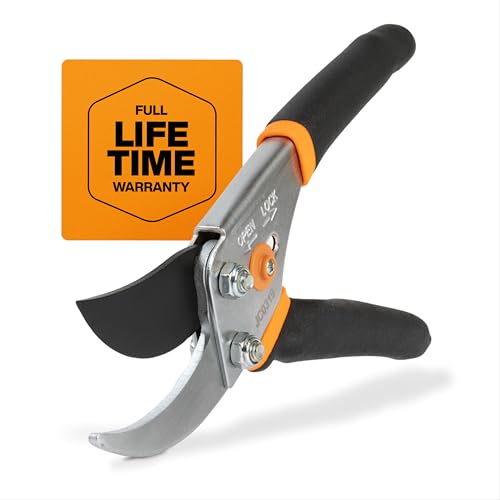
Fiskars
Fiskars Bypass Pruning Shears, 5/8" Cut Capacity Garden Clippers | Self-Cleaning Sap Groove Prevents Sticking, Non-Slip Grip for Cutting Stems & Branches, Steel Blades w/ Low-Friction Coating
- CLEAN CUTS FOR LIVE GROWTH: Bypass blade design is ideal for pruning delicate flower stems and green growth, helping reduce crushi…
- BLADES STAY SHARP: Precision-ground steel blades are engineered to stay sharp through heavy use, & all-steel construction provides…
- SMART BLADE FEATURES: Blade coating helps reduce friction for smoother cuts, minimizes sap buildup & gumming, and enhances resista…
One tool that can significantly aid in your pruning efforts is the Fiskars Bypass Pruning Shears. These shears feature precision-ground steel blades that stay sharp through heavy use, making them perfect for delicate flower stems and branches up to 5/8” in diameter. With ergonomic handles and a comfortable grip, they reduce hand fatigue, making your pruning tasks easier.
Understanding the Basics of Pruning Roses
Pruning roses involves selectively removing specific parts of the plant to improve its health and appearance. The primary goals include:
- Removing dead or damaged wood
- Encouraging new growth and blooms
- Improving air circulation within the plant
- Shaping the plant for aesthetic appeal
Timing is critical. Most rose varieties benefit from pruning in late winter or early spring, just before new growth begins. This timing varies depending on the climate and specific rose type. Always wait until after the last frost to avoid harming new buds.
Common Misconceptions About Pruning Roses
Many beginners believe they should leave roses unpruned to avoid damaging the plant. This is a myth. In reality, regular pruning promotes health and longevity. Here are some common misconceptions:
- Myth 1: Pruning will hurt my roses.
- Reality: Proper pruning encourages growth and flowering.
- Myth 2: You can prune any time of the year.
- Reality: Timing affects the plant’s ability to recover and thrive.
Pruning Techniques for Beginners
Now that you understand the importance of pruning, let’s dive into the techniques. Here are some steps to guide you:
- Gather Your Tools: A good pair of pruning shears, like the Fiskars Bypass Pruning Shears, are essential for clean cuts.
- Inspect the Plant: Look for dead, damaged, or crossing branches. These should be your primary targets.
- Make the Cuts: Cut at a 45-degree angle, about 1/4 inch above a bud or node. This encourages new growth.
- Remove Suckers: Cut back any shoots that grow from the base of the plant, as they divert energy from the main plant.
- Clean Up: Dispose of any cuttings to prevent disease and pests.
By following these steps, you’ll promote a healthier plant and more abundant blooms.
Pruning Schedule for Different Rose Varieties
Different types of roses have unique pruning needs. Understanding these will help you tailor your approach:
| Rose Type | Best Time to Prune | Pruning Technique |
|---|---|---|
| Hybrid Tea Roses | Late winter to early spring | Cut back to 3-5 strong canes |
| Floribunda Roses | Late winter to early spring | Shape and remove dead wood |
| Climbing Roses | Early spring | Remove old wood, shape for growth |
| Knock Out Roses | Spring after last frost | Cut back to promote bushiness |
Following this schedule ensures each rose type receives the care it needs.
What time of year should I prune my roses?
Prune your roses in late winter or early spring, after the last frost. This promotes healthy growth as the plant prepares for the blooming season.
How much should I cut back my roses?
Generally, cut back about one-third to one-half of the plant. Focus on removing dead or unhealthy wood while maintaining a balanced shape.
Can I use regular scissors to prune roses?
Regular scissors are not ideal. They can crush stems, causing damage. Invest in quality pruning shears for clean cuts.
Is it necessary to prune roses every year?
Yes, annual pruning helps maintain plant health and encourages blooms. Skipping pruning can lead to overcrowded plants and reduced flowering.
What should I do with the clippings after pruning?
Dispose of clippings to prevent disease spread. You can compost healthy, non-diseased material, but avoid adding infected branches.
Final Thoughts on Pruning Roses
- Understand your rose variety for targeted pruning.
- Use quality tools like Fiskars Pruning Shears for best results.
- Prune in late winter or early spring.
- Always cut at a 45-degree angle above a bud.
- Remove dead, damaged, or crossing branches.
- Regular pruning promotes health and blooming.
- Dispose of clippings properly to prevent disease.
With these tips in hand, you’re ready to tackle pruning with confidence. For more information on gardening basics, check out our guide on gardening for beginners or explore tools for your garden with our article on hand tools for gardening beginners.


