
Introduction
Imagine stepping into your yard and seeing a lush, vibrant lawn that enhances your home’s curb appeal. A thick, green lawn doesn’t just look good; it also provides a softer surface for children and pets to play on and can help cool the surrounding environment. If your lawn looks sparse or has bare patches, overseeding might be the solution you need.
Overseeding involves spreading grass seed over your existing lawn to fill in thin areas and improve overall density. This guide will provide you with the knowledge to effectively overseed your lawn, including timing, preparation, and maintenance.

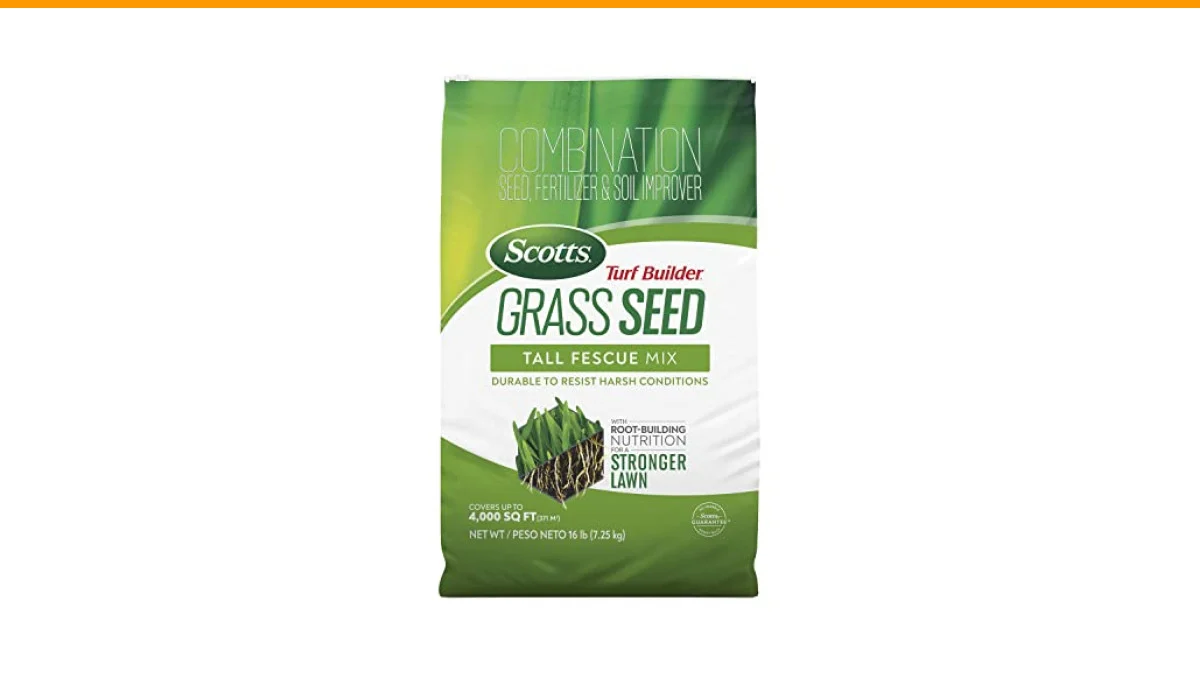
Scotts
Scotts Turf Builder Grass Seed Tall Fescue Mix, 16 lbs. | Durable to Resist Harsh Conditions, Lawn Seed, Grass Fertilizer & Soil Improver, Covers up to 4,000 sq. ft.
- TALL FESCUE LAWN SEED: Scotts tall fescue grass seed for lawns is durable to resist harsh conditions and includes root-building nu…
- 3 IN 1 PRODUCT: This 3-in-1 grass seed and fertilizer lawn care product contains grass seed, lawn fertilizer for grass, and soil i…
- HOW TO WATER: Tall fescue seed should be watered daily or as needed to keep the soil moist for at least 3 weeks or until seedlings…
For a successful overseeding experience, consider using Scotts Turf Builder Grass Seed Tall Fescue Mix. This product combines high-quality seed with fertilizer and soil improver, promoting deep roots and a robust lawn.
When to Overseed Your Lawn
Timing is crucial for overseeding. The best periods depend on your region and the type of grass you have. Generally, the ideal times for overseeding are:
- Spring: When air temperatures are consistently between 65°F and 85°F. This is suitable for cool-season grasses.
- Fall: This is the preferred time for overseeding in many regions. Grass can establish roots before winter. Aim for late summer to early fall.
For warm-season grasses, late spring to early summer is the most effective time. Always check local climate conditions to ensure optimal growth.
Preparing Your Lawn for Overseeding
Proper preparation sets the stage for successful overseeding. Follow these steps:
- Mow the Lawn: Cut your grass to about 1.5 inches high. This allows sunlight to reach the soil and encourages seed contact.
- Aerate the Soil: Aeration involves creating small holes in the soil to improve seed-to-soil contact and enhance water absorption. You can use a mechanical aerator or a manual one for smaller areas.
- Clear Debris: Rake up any leaves, sticks, or other debris. This keeps the seed from being covered and helps it establish.
- Test Soil pH: If possible, test your soil for pH levels. Most grasses thrive in a pH of 6.0 to 7.0. Adjust as necessary to optimize growth.
How to Apply Grass Seed
Once your lawn is prepared, it’s time to apply the grass seed. Here’s a straightforward way to do it:
- Choose the Right Seed: Select a seed blend that matches your existing grass type. For example, if your lawn is primarily fescue, use fescue seed.
- Seed Application: Use a broadcast spreader for even distribution. Apply about 5 to 10 pounds of seed per 1,000 square feet, depending on the seed type.
- Water Immediately: Lightly water the area after seeding. Keep the soil consistently moist for at least three weeks to encourage germination.
Maintenance After Overseeding
Proper care post-overseeding is vital for new grass to thrive:
- Watering: Water daily for the first week, then adjust based on rainfall and temperature. Aim for about 1 inch of water per week.
- Mowing: Wait until the new grass reaches at least 3 inches before mowing. Set the mower blade to the highest setting to avoid stressing the new growth.
- Fertilizing: Apply a starter fertilizer about six weeks after seeding to provide essential nutrients for growth.
Comparison of Overseeding Methods
| Method | Pros | Cons |
|---|---|---|
| Broadcast Spreader | Even coverage, easy to use | Can miss spots if not careful |
| Hand-Seeding | Higher control over seed placement | Time-consuming, labor-intensive |
| Hydroseeding | Fast coverage, good for large areas | More expensive, requires special equipment |
Frequently Asked Questions
1. How often should I overseed my lawn?
Overseeding once a year is typically sufficient, especially in early fall or spring, depending on your grass type.
2. Can I overseed a lawn with weeds?
It’s best to treat any weeds before overseeding. Weeds can compete with new grass for resources and hinder growth.
3. What type of grass seed should I use?
Select a seed that matches your existing grass type for the best results. For transitional zones, a mix may be beneficial.
4. How long does it take for overseeded grass to grow?
New grass typically germinates within 7 to 14 days, depending on the type of seed and environmental conditions.
5. Should I fertilize after overseeding?
Yes, but wait about six weeks after the new grass has established before applying fertilizer to avoid burning the seedlings.
Final Tips for a Thriving Lawn
- Choose the right time based on your climate and grass type.
- Prepare your lawn properly for the best seed-to-soil contact.
- Water consistently, especially during the early weeks after overseeding.
- Consider using a product like Scotts Turf Builder Grass Seed Tall Fescue Mix for better results.
- Stay vigilant for weeds and pests that may threaten new growth.
- Be patient; it takes time for the new grass to establish.
- Maintain regular mowing and watering schedules for overall lawn health.



