

How to Mow Thick Grass: Essential Tips and Techniques
Contents
Many homeowners face the challenge of thick grass, especially during the growing season. Thick grass can lead to uneven patches, an unkempt appearance, and hinder the health of your lawn. Knowing how to mow thick grass properly can make a significant difference in achieving a lush, green yard that’s the envy of your neighbors.
This article will guide you through effective mowing techniques tailored specifically for thick grass. You’ll learn about the right equipment, optimal mowing strategies, and essential maintenance tips to keep your lawn healthy. Plus, we’ll look at a helpful product that can aid in managing unwanted grasses in your yard.

Ortho
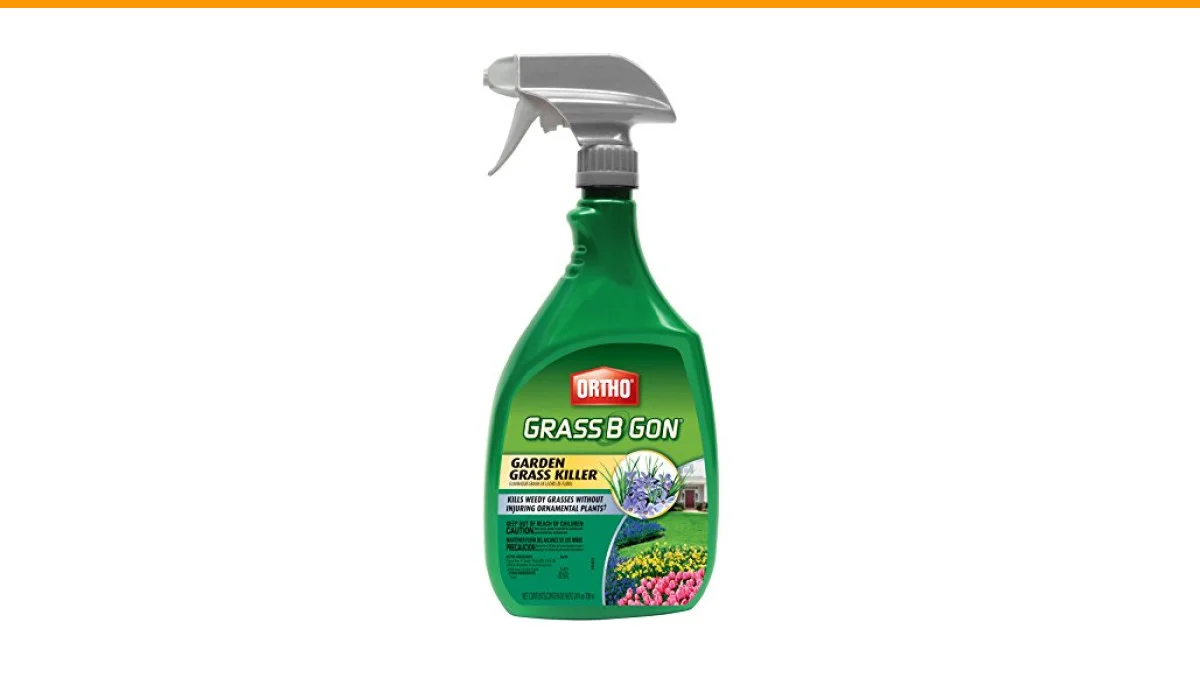
Ortho 0438580 Grass B Gon Garden Grass Killer Ready-To-Use, 24-Ounce
- Kills weedy grasses without injuring ornamental plants
- For use in and around ornamentals, groundcovers, evergreens, shrubs, shade trees, and non-bearing tree crops and vines
- Kills annual and perennial grassy weed
For those dealing with invasive weedy grasses, consider using Ortho Grass B Gon Garden Grass Killer. This ready-to-use solution effectively targets grassy weeds without harming your ornamental plants, making it a useful tool in your lawn care arsenal.
Choosing the Right Equipment
What tools do you need for mowing thick grass? The right equipment can make a huge difference. Standard push mowers may struggle with dense grass, so consider the following:
- Reel Mowers: Ideal for small yards, they provide a clean cut but might require more effort on thick grass.
- Rotary Mowers: These are versatile and effective for thick grass. Look for models with powerful engines and adjustable height settings.
- Self-Propelled Mowers: These mowers ease the burden of pushing through dense grass, making the task less tiring.
Optimal Mowing Strategies
Okay, but how do you actually mow thick grass effectively? Follow these strategies:
- Set the Right Height: Keep your mower blades set high to avoid scalping the grass. A height of 3 to 4 inches is often ideal.
- Mow When Dry: Thick grass is easier to cut when it’s dry. Aim for a clear day to avoid clogging your mower.
- Mow in Different Directions: Change your mowing pattern each time to prevent grass from leaning in one direction, promoting a more uniform growth.
- Use Sharp Blades: Dull blades tear grass rather than cut it cleanly. Sharpen your mower blades regularly for the best results.
Maintaining Your Lawn After Mowing
After mowing, what do you do to keep your lawn healthy? Here are some maintenance tips:
- Leave Clippings: Allow grass clippings to remain on the lawn. They decompose and return nutrients to the soil.
- Water Wisely: Water your lawn deeply but infrequently. This encourages strong root growth.
- Fertilize Regularly: Use a balanced fertilizer to promote healthy grass growth, especially in the spring and fall.
| Tool/Technique | Best For | Pros | Cons |
|---|---|---|---|
| Reel Mowers | Small, flat lawns | Clean cuts, eco-friendly | Labor-intensive for thick grass |
| Rotary Mowers | Thick grass, uneven terrain | Powerful, adjustable heights | Can be heavy and noisy |
| Self-Propelled Mowers | Large, thick lawns | Less physical effort required | Usually more expensive |
How often should I mow my lawn?
Mowing frequency depends on growth rate, but every 5-7 days is a good rule during peak growing season.
What height should I set my mower for thick grass?
Keep the mower height at around 3 to 4 inches to avoid scalping and promote healthy growth.
Can I mow thick grass when it’s wet?
It’s best to mow when the grass is dry to prevent clumping and ensure a clean cut.
What do I do with grass clippings?
Leave them on the lawn as they return nutrients to the soil. If needed, you can collect them for composting.
How do I handle weeds in thick grass?
Use a targeted grass killer like Ortho Grass B Gon to manage weeds without harming desirable plants.
Final Tips for Mowing Thick Grass
- Choose the right mower for your yard size and grass type.
- Mow at the right height and frequency for optimal health.
- Keep mower blades sharp for clean cuts.
- Water and fertilize appropriately after mowing.
- Adjust your mowing pattern to encourage even growth.


