

How to Mow Overgrown Grass Without Damage
Contents
Introduction
Many homeowners face the challenge of dealing with overgrown grass, especially after a long rainy season or neglect. Tall grass can harbor pests and detract from the beauty of your yard. It can also make the job of mowing a daunting task. However, with the right techniques and tools, you can effectively tame your overgrown lawn and restore it to a healthy state.
This article provides detailed guidance on how to mow overgrown grass effectively, covering essential tools, techniques, and tips. You’ll learn how to assess your lawn’s condition, choose the right mower, and implement a mowing strategy that promotes healthy grass growth.
Greenworks
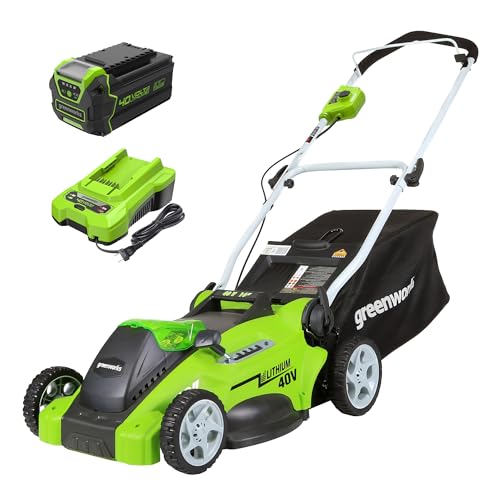
Greenworks 40V 16in Push Lawn Mower, 4.0 Ah Battery and Charger | Quiet walk-behind mower with push-button start; gas-free operation eliminates fumes and pull starts
- [16" LAWN MOWER] - This 40V lawn mower cuts up to 1/3 acre with fully charged 4.0Ah battery (varies based on grass condition and o…
- [ULTRA LIGHTWEIGHT] - 35% lighter than steel deck mowers
- [SINGLE LEVER HEIGHT ADJUST] - 5 position height adjustment
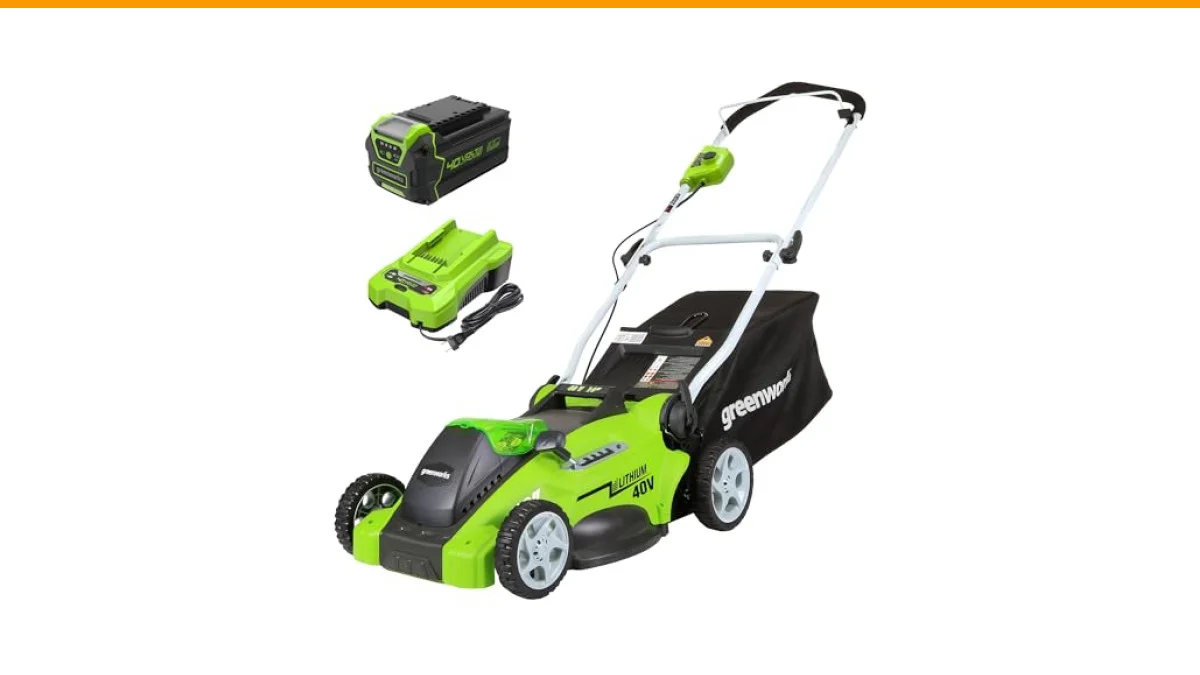
For homeowners seeking a reliable tool for the job, the Greenworks 40V 16in Push Lawn Mower is a solid option. This lightweight mower features a powerful 4.0Ah battery and is designed to tackle areas up to a third of an acre, making it ideal for handling overgrown grass without the hassle of gas or cords.
Assessing Your Overgrown Lawn
Before you start mowing, take a moment to assess your lawn. Determine how tall the grass is and whether there are any obstacles, such as rocks or debris, that could pose a hazard. Grass over 6 inches tall may require a different approach than grass that is just slightly overgrown.
For grass taller than 12 inches, consider the following:
- Remove any large debris or rocks.
- Check for weeds or invasive species that may require special attention.
- Examine the soil conditions; overly damp or dry soil can affect mowing.
Choosing the Right Mower
Selecting the right mower is crucial when tackling overgrown grass. Here are some options:
| Mower Type | Best For | Pros | Cons |
|---|---|---|---|
| Push Mowers | Small to medium yards | Lightweight, easy to maneuver | Requires physical effort |
| Self-Propelled Mowers | Medium to large yards | Less physical effort required | Heavier, higher cost |
| Riding Mowers | Large properties | Fast, efficient | Expensive, requires storage space |
| String Trimmers | Edges, hard-to-reach areas | Versatile, lightweight | Not suitable for large areas |
The Greenworks 40V Push Lawn Mower is particularly useful for small to medium-sized lawns. Its lightweight design makes it easy to handle, while its battery power eliminates the hassle of fuel. The 2-in-1 system allows for both mulching and rear bagging, which can be beneficial when managing tall grass.
Preparing to Mow
Once you’ve selected a mower, prepare your lawn for mowing:
- Adjust the mower height: Set it to the highest setting initially. Cutting tall grass too short can shock the plant and harm its health.
- Check the mower blades: Ensure they are sharp for a clean cut. Dull blades tear the grass, creating a frayed appearance and making the lawn more susceptible to disease.
- Wear protective gear: Long pants, closed-toe shoes, and eye protection are essential, especially when dealing with tall grass.
Mowing Techniques
Now you’re ready to mow. Here’s how to do it effectively:
- Start with a perimeter pass: Mow around the edges of the lawn to create a defined boundary.
- Mow in sections: Work in small sections, making overlapping passes to ensure even coverage.
- Adjust height gradually: After the first cut, lower the mower height for subsequent passes. Aim to reduce the grass height by no more than one-third in a single mow.
- Consider a second pass: For particularly tall grass, a second mow may be necessary to achieve a uniform height.
Frequently Asked Questions
How often should I mow overgrown grass?
Mow every 1-2 weeks during the growing season to maintain a healthy lawn. Adjust frequency based on growth rate and weather conditions.
Can I use a regular mower for very tall grass?
Yes, but a mower with a high wheelbase or a self-propelled mower is recommended for better handling and efficiency in tall grass.
What should I do with clippings from tall grass?
Consider mulching them back into the lawn to return nutrients or bagging them to reduce thatch buildup.
Is it okay to mow wet grass?
Avoid mowing wet grass, as it can cause uneven cuts and potentially damage the mower. Wait until the grass is dry.
How do I prevent grass from becoming overgrown again?
Establish a regular mowing schedule and ensure your mower blades are sharp for optimal cutting.
Final Tips for Mowing Success
- Assess your lawn’s condition before mowing.
- Choose a mower suited for the size and height of your grass.
- Start with a high cutting height to avoid stressing the grass.
- Maintain your mower blades for a cleaner cut.
- Regularly mow to prevent future overgrowth.
- Consider using a string trimmer for edges and hard-to-reach areas.
- Be patient; it may take a few mows to get back to a healthy lawn.


