Introduction
Many homeowners face the dilemma of needing to mow their lawns after a rainstorm. The grass looks lush and inviting, but cutting it while it’s wet can lead to unsightly clumps and potential damage to your mower. If you’ve ever wondered how to mow wet grass without ruining your lawn or your equipment, you’re not alone. This guide will equip you with the knowledge and strategies to tackle wet grass effectively.
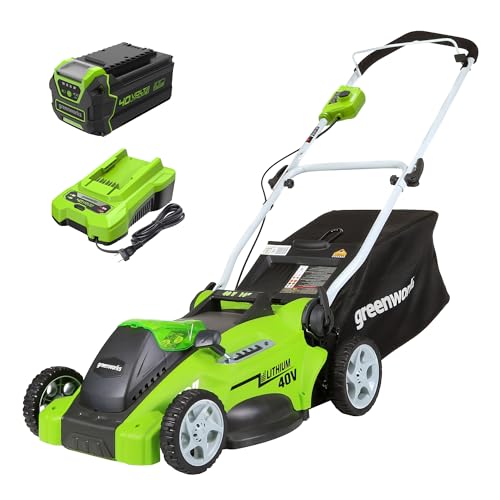
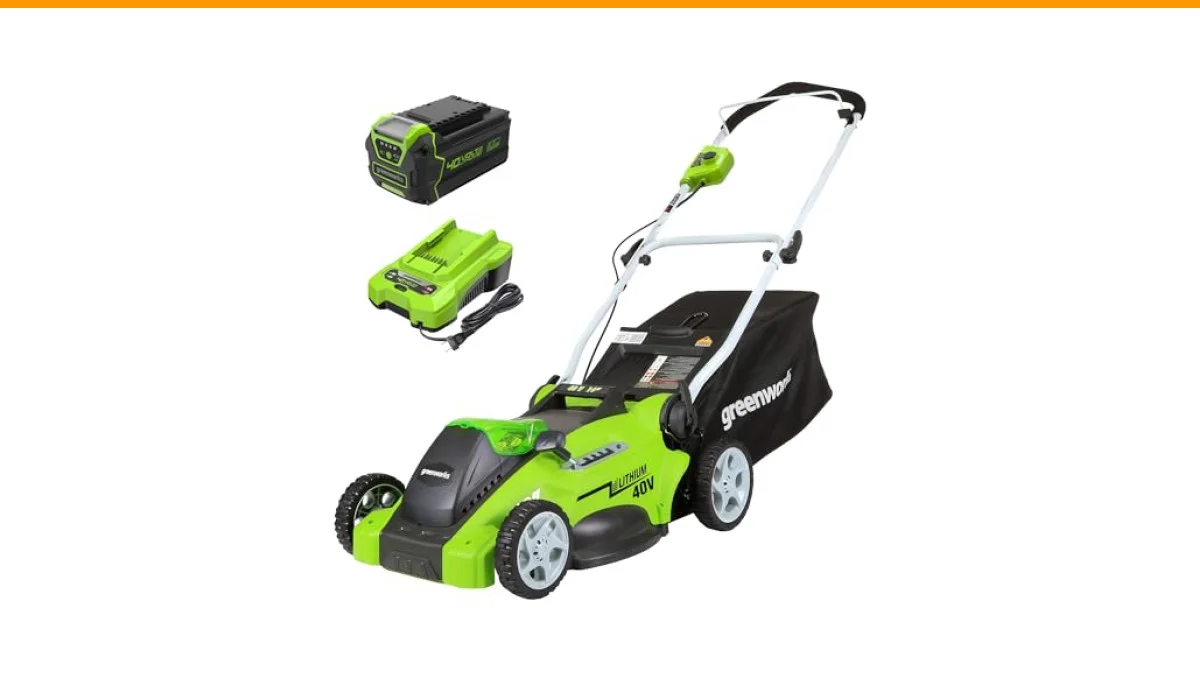
You’ll learn about the best practices, tools, and techniques that help maintain your lawn’s health, even when conditions aren’t ideal. One product that can assist in your mowing endeavors is the Greenworks 40V 16in Push Lawn Mower. This lightweight mower is designed for efficiency, making it easier to handle wet grass compared to heavier models.
Understanding the Risks of Mowing Wet Grass
Mowing wet grass presents multiple challenges. First, wet grass clippings tend to clump together, leading to uneven cuts and potential lawn damage. Secondly, wet conditions can make your mower less effective and more difficult to maneuver. Lastly, mowing in these conditions can lead to safety hazards, such as slipping.
Here are some specific risks to consider:
- Clumping: Wet clippings can accumulate beneath the mower deck, reducing efficiency and potentially clogging the blades.
- Uneven Cuts: Wet grass bends more easily, which can lead to uneven cutting heights.
- Soil Compaction: Mowing wet grass can lead to soil compaction, especially in softer soils, which negatively affects root health.
Best Practices for Mowing Wet Grass
If you must mow wet grass, here are several best practices to follow:
- Wait for the Right Moment: Mow after the morning dew has dried, or wait for a break in the rain if possible. Mid-afternoon is often ideal.
- Use a Sharp Blade: A sharp mower blade will make cleaner cuts, reducing stress on the grass and helping to avoid tearing.
- Adjust the Cutting Height: Set your mower to a higher cutting height when mowing wet grass. This allows the mower to cut through without scalping the lawn.
- Go Slow: Take your time. Slower speeds help ensure a cleaner cut and reduce the risk of slipping.
- Clear Debris: Before mowing, remove any debris like sticks or stones that could be hidden in the grass.
Comparing Mowing Techniques for Wet Grass
| Technique | Pros | Cons |
|---|---|---|
| Mulching | Returns nutrients to the soil, reduces waste | Can clog if grass is too wet |
| Bagging | Cleaner cut, prevents clumping | Requires frequent emptying, can be cumbersome |
| Side Discharge | Quick removal of clippings | Can leave clippings on the lawn, possible unevenness |
Common Misconceptions About Mowing Wet Grass
Mowing Wet Grass Will Damage My Mower
This is not entirely true. While it’s generally not advisable to mow in very wet conditions, a well-maintained mower can handle light moisture. The key is ensuring your blades are sharp and that you clean the mower thoroughly afterward to prevent rust and buildup.
Higher Mowing Speed is Better
Mowing faster is often seen as a time-saving technique. However, when it comes to wet grass, speed leads to uneven cuts and increased clumping. Slower, deliberate mowing is more effective.
All Mowers Handle Wet Grass the Same Way
Not all mowers are created equal. The Greenworks 40V 16in Push Lawn Mower, for instance, is much lighter and designed to handle tough conditions better than heavier, traditional mowers. Choosing the right mower is essential.
It’s Better to Mow Wet Grass Than to Let It Grow Too Tall
While overgrown grass may need trimming, mowing when it’s too wet can stress the grass and lead to damage. If possible, wait until conditions improve.
Wet Grass is OK to Mow as Long as I Bag the Clippings
Bagging clippings can reduce the mess, but it doesn’t eliminate the risks associated with mowing wet grass, such as uneven cuts and soil compaction. Use caution regardless of the method.
Frequently Asked Questions
Can I mow wet grass in the rain?
Mowing in heavy rain is not advisable due to safety concerns and the increased risk of damaging your lawn. Light drizzle may be manageable, but be cautious.
What’s the best time to mow grass after rain?
The best time is usually mid-afternoon when the grass has dried from morning dew and any light rain.
Will mowing wet grass kill my lawn?
It won’t kill your lawn, but it can stress the grass, leading to thinning or brown patches if done regularly in wet conditions.
How can I prevent clumping when mowing wet grass?
Use a sharp blade, mow at a higher cutting height, and mow slower to reduce clumping.
What mower is best for wet grass?
A lightweight mower, like the Greenworks 40V 16in Push Lawn Mower, is ideal for wet conditions due to its maneuverability.
Final Thoughts
- Assess grass moisture before mowing.
- Use a sharp blade for cleaner cuts.
- Adjust mower height for wet grass.
- Slow down to avoid uneven cuts.
- Look for lightweight mowers for easier handling.
- Consider mulching or bagging based on conditions.
- Always clean your mower after mowing wet grass.