Understanding the Basics
When it comes to maintaining your yard, two tools often come into play: string trimmers and brush cutters. Each serves a unique purpose and caters to different lawn care needs. Imagine standing in your yard, surveying the overgrown grass and weeds. You might wonder which tool will tackle the job effectively. The answer lies in understanding the distinct features and capabilities of each tool.
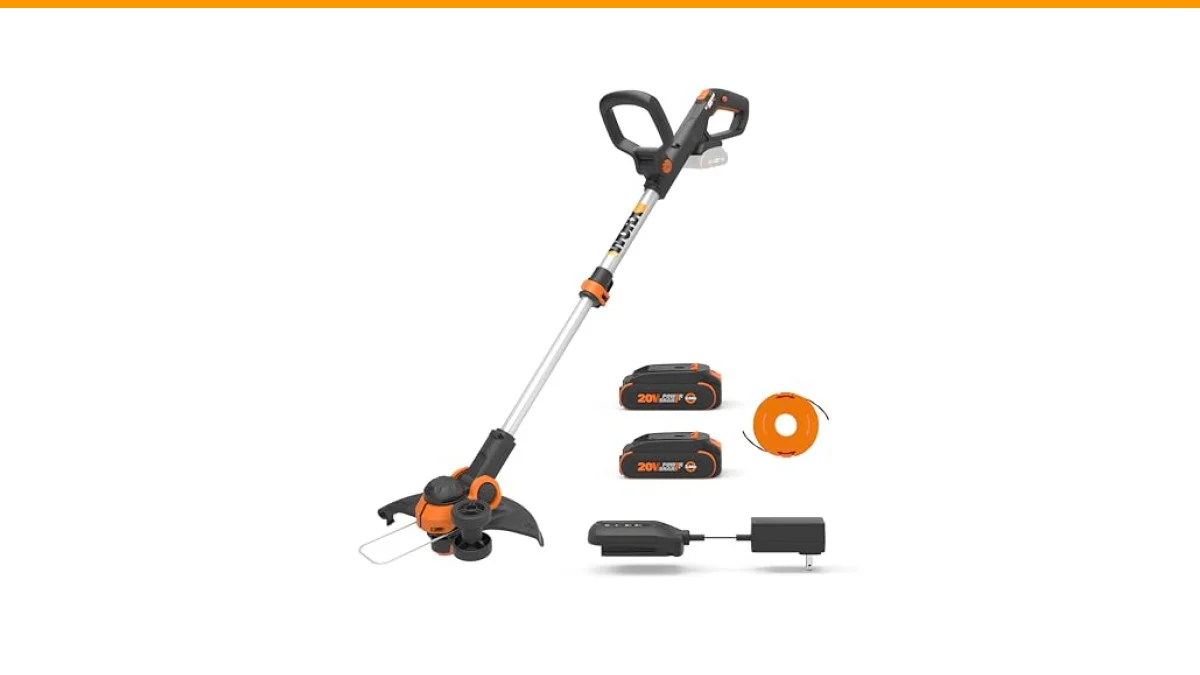
This article will clarify the differences between string trimmers and brush cutters, helping you make an informed decision on which tool suits your landscaping needs. You’ll also discover a useful product recommendation: the WORX 20V 12″ 2-in-1 Cordless String Trimmer & Electric Lawn Edger, WG163. This versatile tool can easily switch from trimming to edging, making it ideal for smaller yards or more intricate landscaping.

WORX
WORX 20V 12" 2-in-1 Cordless String Trimmer & Electric Lawn Edger, WG163 | Command Feed, Works for Lawn Weed Removal Tasks, 2 x 2.0Ah Batteries & Charger Included, PowerShare
- 2 IN 1 TRIMMER & EDGER : Easily converts from a string trimmer to an edger lawn tool in just seconds.
- INSTANT LINE FEED: This grass trimmer has innovative push button command feed spool system for instant line feeding. Plus, free sp…
- HEAD TILTS 90°: So you can use string trimmer and edger on sloped terrain, and get to tough-to-reach places.
The Key Differences
At first glance, string trimmers and brush cutters may seem similar, but they have distinct differences that cater to specific tasks. Here’s a breakdown of their key features:
- String Trimmer: Uses a flexible nylon line to cut grass and weeds. It’s lightweight and is perfect for precision work around flower beds, fences, and pathways.
- Brush Cutter: Utilizes a metal blade to tackle tougher vegetation like thick brush, small trees, and heavy weeds. It’s more powerful and suitable for larger, more rugged areas.
Common Misconceptions
Myth 1: String Trimmers Are Just as Powerful as Brush Cutters
Many people assume that string trimmers can handle any job a brush cutter can. While string trimmers are versatile for grass and small weeds, they lack the power to tackle dense brush and heavy undergrowth. Brush cutters, equipped with robust blades, are designed specifically for challenging terrain. If your yard has significant overgrowth, a brush cutter is the better choice.
Myth 2: All String Trimmers Are the Same
Not all string trimmers are created equal. They vary in power source, cutting width, and features. Some models, like the WORX 20V 12″ 2-in-1, can switch from trimming to edging, making them more versatile for various tasks. Consider your yard’s specific needs when selecting a model.
Choosing the Right Tool
When deciding between a string trimmer and a brush cutter, consider the following factors:
- Yard Size: For small yards or gardens, a string trimmer suffices. Larger, overgrown areas may require the strength of a brush cutter.
- Type of Vegetation: If you’re dealing with light grass and weeds, a string trimmer is suitable. For dense brush or small saplings, a brush cutter is necessary.
- Weight and Handling: String trimmers are generally lighter and easier to maneuver. Brush cutters, while powerful, can be heavier and may require more physical strength to operate.
Comparison Table
| Feature | String Trimmer | Brush Cutter |
|---|---|---|
| Power Source | Electric or Battery | Gasoline or High-Power Electric |
| Cutting Mechanism | Nylon String | Metal Blade |
| Best Use | Grass and Weeds | Heavy Brush and Small Trees |
| Weight | Lightweight | Heavier |
| Ease of Use | Easy Maneuverability | Requires More Strength |
Frequently Asked Questions
1. Can I use a string trimmer for heavy brush?
No, string trimmers are not designed for heavy brush. They work best for light vegetation and trimming edges.
2. How do I maintain my string trimmer?
Regularly check the nylon line, clean the cutting head, and ensure the battery or engine is functioning properly for optimal performance.
3. Are brush cutters heavier than string trimmers?
Yes, brush cutters are typically heavier due to their more robust construction and power requirements.
4. Is a string trimmer suitable for all yard types?
A string trimmer is suitable for well-maintained lawns with light grass and weeds. For overgrown areas, consider a brush cutter.
5. What safety gear should I wear when using these tools?
Always wear safety goggles, gloves, and sturdy footwear when operating either tool to protect yourself from debris and accidents.
Final Thoughts
- Understand the key differences between string trimmers and brush cutters.
- Consider your yard size and vegetation type before choosing a tool.
- Look for versatile options like the WORX 20V model for added functionality.
- Be aware of common misconceptions regarding power and capabilities.
- Prioritize safety gear when operating either tool to minimize risk.