Standing water in your yard can lead to a host of problems, from damaging your grass to creating a breeding ground for pests. Picture your garden after a heavy rain: puddles linger, soil becomes compacted, and plants struggle to thrive. Proper lawn drainage is vital for maintaining a healthy landscape and ensuring your plants receive the right amount of water without drowning. This article will guide you through effective strategies to improve lawn drainage, helping you create a lush and vibrant yard.
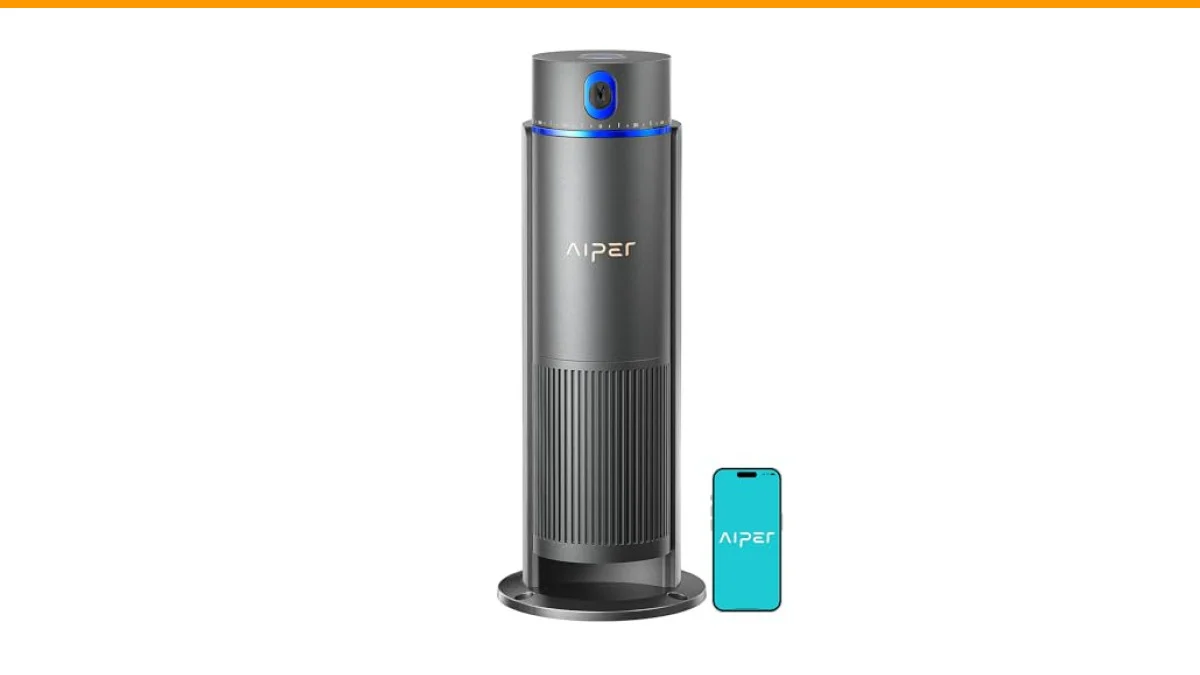
Incorporating a smart irrigation solution can also complement your drainage efforts. The Aiper IrriSense 2 Smart Sprinklers provide multi-zone plant-specific watering with adaptive scheduling. This system not only conserves water but also optimizes irrigation based on your lawn’s needs, which can mitigate drainage issues by ensuring your lawn isn’t overwatered.

AIPER
Aiper IrriSense 2 Smart Sprinklers for Yard, Multi-Zone Plant-Specific Watering, Smart Scheduling, Weather-Adaptive Irrigation with Rain Sensor, Irrigation System for Large Lawns up to 4800 sq.ft.
- 4-in-1 Smart Irrigation System & 15-Minute Setup: IrriSense 2 lawn sprinkler combines a controller, sprinkler, electric valve, and…
- Up to 40% Water Conservation:With precise mapping, TÜV-certified EvenRain technology, and weather-adaptive operation, IrriSense 2…
- Plant-Specific Multi-Zone Irrigation: Customize up to 10 unique irrigation maps for different plant types and lawn layouts. Set cu…
Understanding Lawn Drainage Issues
Before improving drainage, it’s essential to understand what causes poor drainage. Common culprits include:
- Soil Type: Clay soils retain water, leading to pooling, while sandy soils drain quickly but may not retain enough moisture.
- Topography: Low spots in your yard can become catchment areas for rainwater.
- Compaction: Regular foot traffic can compact soil, reducing its ability to absorb water.
Identifying these issues will help you tailor your approach to improving lawn drainage.
Methods to Improve Lawn Drainage
Here are several effective strategies to enhance drainage in your lawn:
1. Aeration
Aerating your lawn creates holes in the soil, allowing water and air to penetrate deeper. Use a core aerator to pull out plugs of soil, which will help break up compacted areas. Aim to aerate during the growing season when grass can recover quickly. For best results, aerate once a year, or twice if your soil is highly compacted.
2. Installing French Drains
French drains are a popular solution for redirecting water. Dig a trench and fill it with gravel, placing a perforated pipe at the bottom. This pipe collects excess water and channels it away from trouble spots. For effective drainage, ensure the trench slopes away from your foundation at a gradient of 1% to 2%.
3. Soil Amendment
Improving soil structure can significantly enhance drainage. Mix organic matter such as compost or peat moss into the soil. This will help break up clay and improve both water retention and drainage. Aim for a mixture of 20-30% organic matter in your topsoil.
4. Proper Grading
Ensure that your lawn is graded correctly, sloping away from structures. A slope of about 2% is ideal to direct water flow away from your home. If your lawn has low spots, consider regrading those areas to promote better drainage.
Comparison of Lawn Drainage Methods
| Method | Difficulty | Cost | Effectiveness |
|---|---|---|---|
| Aeration | Easy | Medium | Good |
| French Drains | Moderate | High | Very Good |
| Soil Amendment | Easy | Low | Good |
| Proper Grading | Hard | High | Excellent |
Common Questions About Lawn Drainage
How can I tell if my lawn has drainage issues?
Look for standing water after rainfall, muddy patches, or areas where grass is struggling to grow. These are clear signs of poor drainage.
Is it possible to improve drainage without professional help?
Yes, many drainage improvements can be made as DIY projects, such as aeration and soil amendment. However, complex solutions like installing French drains might require professional assistance.
How often should I aerate my lawn?
Aerating once a year is generally sufficient for most lawns, but highly compacted areas may benefit from aeration twice a year.
What is the best time of year to improve drainage?
The best time to address drainage issues is during the growing season, typically in early spring or fall. This allows grass to recover and fill in any disturbed areas.
Can I use a rain garden to help with drainage?
Absolutely. A rain garden can capture excess water and allow it to soak into the ground, improving overall drainage while also providing a beautiful landscape feature.
Actionable Steps to Enhance Lawn Drainage
- Aerate your lawn annually to alleviate compaction.
- Install French drains in low-lying areas to redirect water.
- Add organic matter to improve soil structure.
- Check and adjust the grading of your lawn.
- Monitor your lawn after heavy rain for signs of pooling.
- Consider planting a rain garden to absorb excess water.
- Utilize smart irrigation systems like the Aiper IrriSense 2 to manage watering effectively.
Improving lawn drainage is a vital part of maintaining a healthy landscape. Taking proactive steps not only enhances the appearance of your yard but also promotes a thriving environment for your plants.