
Seeing your lush green lawn turn into patches of brown can be disheartening. One of the most common culprits behind these unsightly spots is dollar spot disease. This fungal infection can cause significant damage if left untreated, and identifying it early is key to maintaining a healthy yard. In this article, you’ll learn how to identify dollar spot in grass, the conditions that promote its growth, and effective measures to control it.
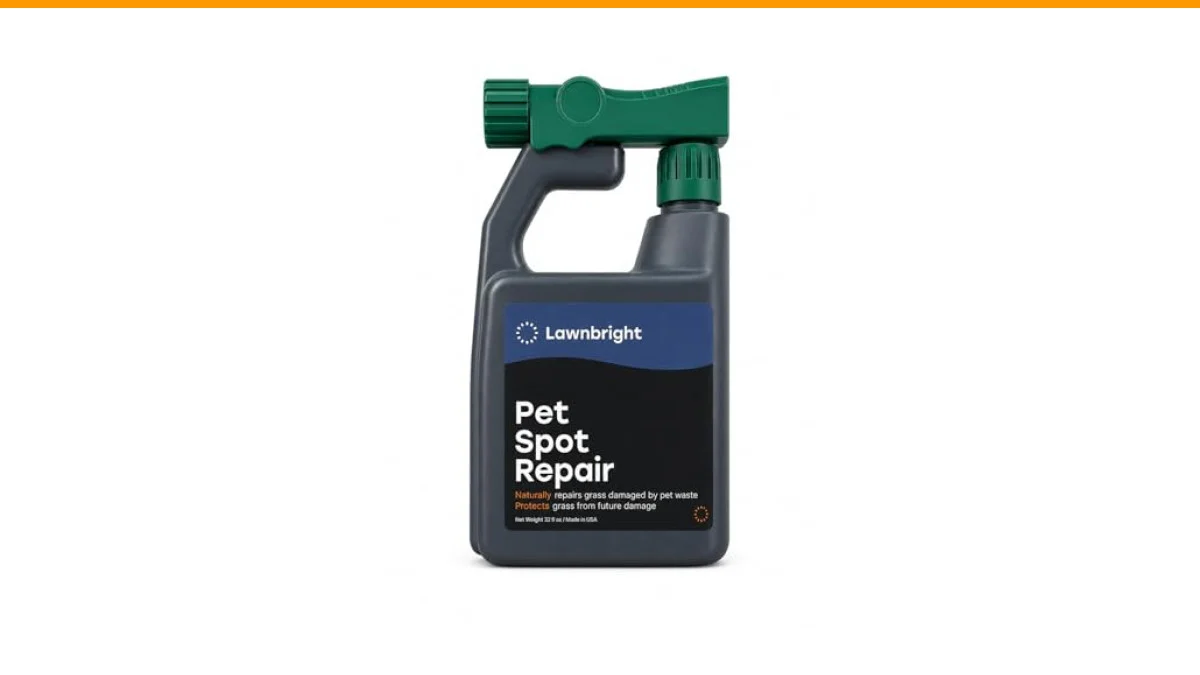
In addition to learning about dollar spot, if you’re dealing with pet-related lawn damage, you might consider using Lawnbright Pet Spot Repair Lawn Spray. This product not only addresses dog urine spots but also helps rejuvenate the soil, paving the way for healthy grass recovery.

lawnbright
Pet Spot Repair Lawn Spray - Fixes Dog Urine Spots - 32 oz | Naturally-derived nutrients, hose-on sprayer included - revives grass in pet urine spots and burns - kid & pet safe
- Repairs, Not Just Covers: Unlike green paints that only mask damage, this hose-on treatment feeds the soil in urine-burned spots s…
- Made For Dog Urine Damage: Naturally-derived nutrients rebalance and revitalize soil stressed by pet urine, helping thin, yellowed…
- One-And-Done Application: A single hose-on pass gets the job started - attach the included sprayer to any garden hose, treat the d…
Recognizing Dollar Spot
Dollar spot manifests as small, circular patches of dead grass. Initially, these spots may appear as light brown or straw-colored areas, roughly 2 to 6 inches in diameter. As the disease progresses, the patches can grow and merge, creating larger areas of damage. You may notice a white or gray webbing on the grass blades, especially in the early morning when dew is present.
To accurately identify dollar spot, look for the following signs:
- Shape: Circular patches ranging from 2 to 6 inches.
- Color: Light brown or straw-colored.
- Webbing: White or gray mycelium, particularly in moist conditions.
- Grass Type: Most common in fine-textured grasses like bentgrass, fescue, and bluegrass.
Conditions Favoring Dollar Spot
Certain environmental conditions make lawns more susceptible to dollar spot. Understanding these factors can help you prevent the disease:
- High Humidity: Dollar spot thrives in humid conditions, particularly when nighttime temperatures are between 60°F and 75°F.
- Inadequate Watering: Irregular watering practices can stress grass, making it more vulnerable to disease.
- Nitrogen Deficiency: Low nitrogen levels in the soil can weaken grass and encourage fungal growth.
- Thatch Build-Up: Excessive thatch can create a favorable environment for fungi.
Treatment Options for Dollar Spot
Treating dollar spot requires both immediate and long-term strategies. Here are some effective methods:
- Cultural Practices: Adjust your watering schedule to keep the lawn evenly moist. Aeration can help reduce thatch and improve drainage.
- Fertilization: Apply a balanced fertilizer with adequate nitrogen to promote healthy grass growth. This can help your lawn recover from damage.
- Fungicides: If the infestation is severe, consider applying a fungicide specifically designed for dollar spot. Follow the product instructions carefully.
- Reseeding: For extensive damage, reseeding the affected areas may be necessary to restore a lush appearance.
| Method | Pros | Cons |
|---|---|---|
| Cultural Practices | Improves overall lawn health | May take time to see results |
| Fertilization | Encourages grass recovery | Requires proper application timing |
| Fungicides | Quickly targets the fungus | Potential chemical exposure risks |
| Reseeding | Restores lawn appearance | Labor-intensive and time-consuming |
How do I know if my grass has dollar spot?
Look for small, round patches of dead grass, usually 2 to 6 inches across. The grass may also show signs of webbing during moist conditions.
What causes dollar spot in grass?
The primary cause of dollar spot is a fungus called Moellerodiscus. It thrives in high humidity and low nitrogen conditions.
Can dollar spot be treated?
Yes, dollar spot can be treated through cultural practices, fertilization, fungicides, and reseeding, depending on the severity of the infestation.
How can I prevent dollar spot?
Maintain a regular watering schedule, provide adequate nitrogen through fertilizers, and aerate the lawn to reduce thatch buildup.
Is dollar spot harmful to my lawn?
If untreated, dollar spot can lead to significant grass loss and weaken the overall health of your lawn, making it more susceptible to other diseases.
Essential Takeaways
- Identify dollar spot by looking for small, circular brown patches.
- High humidity and nitrogen deficiency increase the risk of the disease.
- Implement cultural practices to enhance lawn health and prevent dollar spot.
- Consider fungicides for severe cases, but balance with environmental concerns.
- Regularly fertilize and reseed damaged areas to maintain a lush lawn.
- Monitor your lawn conditions and adjust care practices to prevent recurrence.
- Explore products like Lawnbright Pet Spot Repair Lawn Spray for additional lawn care support.


