
Imagine stepping onto your lush green lawn only to find unsightly brown patches marring its beauty. This situation is all too common for homeowners and lawn enthusiasts alike. Brown patch is a fungal disease that can devastate grass, especially during warm, humid weather. Understanding how to identify brown patch in grass is crucial for effective treatment and prevention, so your yard can thrive.
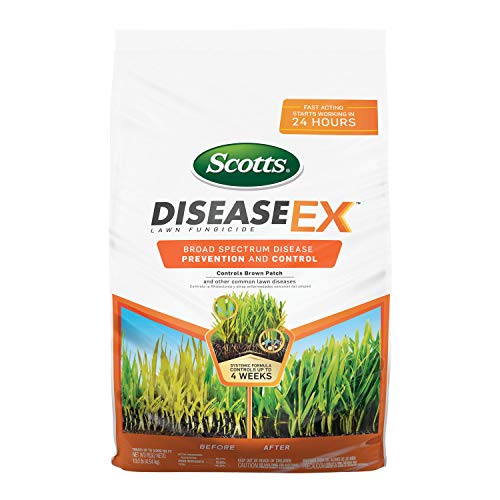
This article will guide you through the symptoms of brown patch, its causes, and how to manage it effectively. You’ll also learn about the importance of proactive measures to keep your lawn healthy. For those already dealing with brown patch, products like Scotts DiseaseEx Lawn Fungicide can be beneficial. This fungicide controls 26 lawn diseases, including brown patch, and provides quick action and long-lasting control.
Scotts
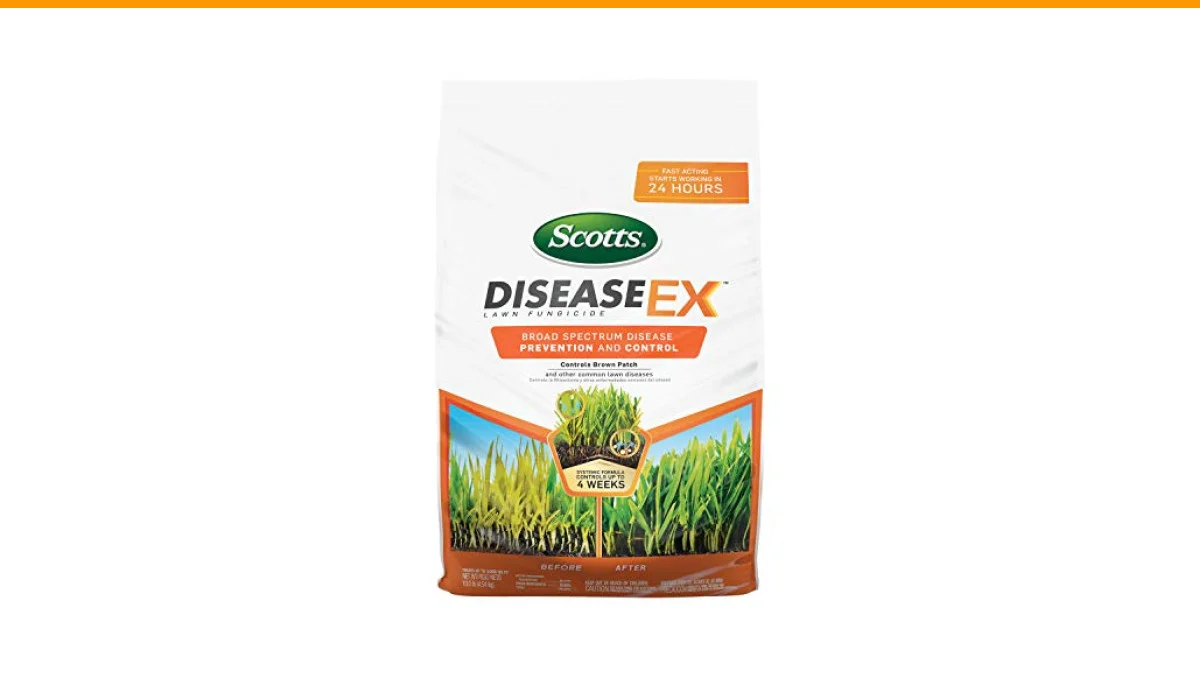
Scotts DiseaseEx Lawn Fungicide, 10 lbs. | Controls and Prevents Brown Patch, Pythium Blight and More as Listed, Treats Up to 5,000 sq. ft.
- DISEASE CONTROL & PREVENTION: Use Scotts DiseaseEx Lawn Fungicide, a fungus control for lawns, to prevent disease before it appear…
- 26 DISEASES: This fungicide for lawns controls 26 listed lawn diseases, including brown patch, pythium blight, stem and stripe rus…
- QUICK ACTION, LONG-LASTING CONTROL: This fungicide for lawns starts working within 24 hours of application, and continues to contr…
Identifying the Symptoms of Brown Patch
Recognizing brown patch is the first step toward controlling it. Here are the key symptoms to look out for:
- Shape and Size: Brown patch often appears as circular spots that can vary in size from a few inches to several feet across.
- Color Variation: The center of the patch may be light brown, while the edges can appear darker or yellowish, creating a distinct ring.
- Leaf Texture: Affected grass blades may appear water-soaked or greasy before turning brown and dying.
- Time of Year: Brown patch is most commonly observed during warm, humid conditions, particularly in late summer and early fall.
Causes of Brown Patch
Understanding what causes brown patch can help in both identification and prevention. The main factors include:
- Fungal Infection: The disease is primarily caused by the fungus Rhizoctonia solani, which thrives in warm, humid environments.
- Overwatering: Excess moisture creates an ideal environment for fungal growth. Lawns that are too wet can become prime targets for brown patch.
- Poor Soil Drainage: Compacted soil or thatch buildup can prevent proper drainage, leading to the moisture retention that encourages disease.
- High Nitrogen Fertilization: Over-fertilizing can stimulate excessive growth, making grass more susceptible to disease.
Management Strategies for Brown Patch
Effective management of brown patch requires a combination of cultural and chemical practices:
- Improve Drainage: Aerate the lawn to relieve compaction and improve water movement. This reduces moisture retention and creates a less favorable environment for the fungus.
- Adjust Watering Practices: Water early in the morning to allow the grass to dry out during the day. Deep, infrequent watering is more beneficial than shallow, frequent watering.
- Fertilize Wisely: Use a balanced fertilizer and avoid high-nitrogen products during peak disease conditions. Consider applying a slow-release nitrogen fertilizer.
- Apply Fungicides: If brown patch appears, consider using a fungicide like Scotts DiseaseEx Lawn Fungicide. It starts working within 24 hours and provides up to four weeks of control.
| Management Strategy | Description | Effectiveness |
|---|---|---|
| Improve Drainage | Aerate the lawn to reduce compaction and improve moisture flow. | High |
| Adjust Watering | Water in the morning; deep and infrequent is best. | Medium |
| Fertilize Wisely | Use balanced fertilizers, avoiding high-nitrogen during warm months. | Medium |
| Fungicide Application | Use products like Scotts DiseaseEx for control at the first sign of symptoms. | High |
How can I tell if my grass has brown patch?
Look for circular patches that are discolored, typically light brown in the center with darker edges. Affected grass may feel soft or mushy.
What conditions promote brown patch?
Warm, humid weather combined with overwatering or poor drainage encourages the growth of the fungus responsible for brown patch.
Can brown patch be treated?
Yes, brown patch can be treated with fungicides, cultural practices like aeration, and proper watering techniques.
Is brown patch contagious?
Brown patch is not contagious in the way that diseases spread between animals or humans. However, the fungus can spread through lawn care equipment or water runoff.
How can I prevent brown patch in the future?
Maintain proper watering practices, improve soil drainage, and use balanced fertilizers to create a healthy lawn environment.
Final Thoughts
- Identify symptoms early for effective management.
- Monitor environmental conditions that favor fungal growth.
- Aerate your lawn to improve drainage.
- Water appropriately to prevent excess moisture.
- Consider applying fungicides at the first sign of symptoms.
- Use balanced fertilizers to support healthy grass growth.
- Stay informed on lawn care practices to maintain a robust lawn.


