

How to Choose the Right Grass for Your Lawn
Contents
Imagine stepping out onto your lawn, greeted by a lush, vibrant carpet of green. It’s a satisfying feeling, yet many homeowners are unsure of how to achieve this ideal landscape. Choosing the right grass for your lawn isn’t just about aesthetics; it involves considering factors like climate, sun exposure, and soil type.
This guide will equip you with the knowledge needed to select the perfect grass variety for your specific conditions. By the end, you’ll understand how different grasses thrive in various environments and what maintenance they require.
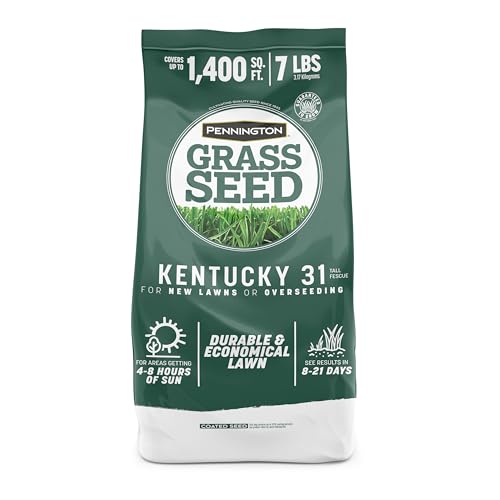
Pennington
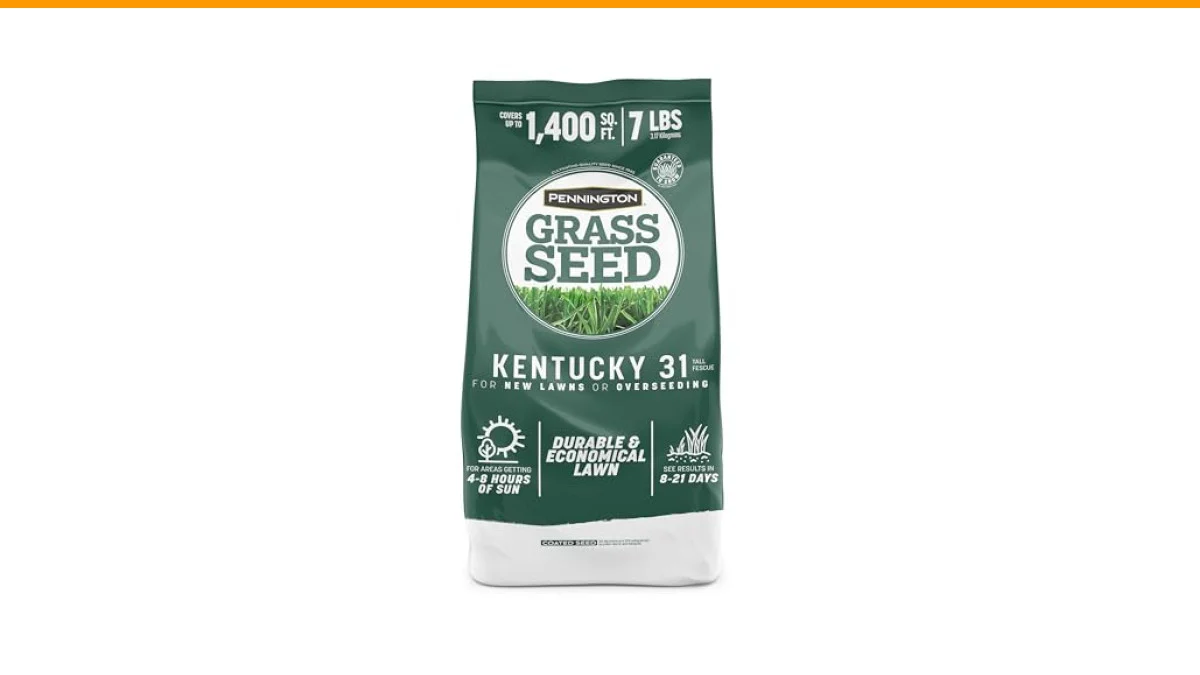
Pennington Kentucky 31 Tall Fescue Grass Seed, Drought-Resistant, 7 LB
- A grass seed for lawns that grows thick blades of grass that stand up to hot summers and heavy rains
- Sun and shade grass seed for use in full sun to medium-shaded areas
- Lawn seed that holds up well under foot traffic
A solid choice to consider is the Pennington Kentucky 31 Tall Fescue Grass Seed. This drought-resistant option produces thick blades that withstand heavy foot traffic and varying weather conditions, making it suitable for sun and shade alike.
Understanding Grass Types
Different grass types have unique characteristics that cater to specific needs. It’s essential to understand these classifications to make an informed decision.
- Cool-Season Grasses: Thrive in northern climates with temperatures ranging from 60°F to 75°F. Examples include Kentucky bluegrass and tall fescue.
- Warm-Season Grasses: Best suited for southern regions, thriving in temperatures between 80°F and 95°F. Bermuda grass and zoysia grass are common choices.
- Transition Zone Grasses: For areas with both cool and warm seasons, such as the Mid-Atlantic. Tall fescue and Kentucky bluegrass work well here.
Assessing Your Climate and Environment
Your local climate greatly influences grass performance. To choose the right grass for your lawn, consider the following:
- Temperature: Know your hardiness zone. The USDA Plant Hardiness Zone Map can help you determine which grasses will thrive.
- Precipitation: Consider how much rain your area receives. Drought-resistant varieties, like tall fescue, can handle dry spells effectively.
- Sunlight: Assess how much sun your lawn receives daily. Some grasses, such as Bermuda, prefer full sun, while others can tolerate shade.
Soil Type and Preparation
The soil in your yard plays a critical role in grass health. Here’s how to evaluate and prepare your soil:
- Soil Type: Conduct a soil test to determine pH and nutrient levels. Most grasses prefer a pH between 6.0 and 7.0. Clay, sandy, and loamy soils each have different drainage properties.
- Soil Preparation: Clear debris and weeds before planting. Amend the soil with organic matter to improve structure and nutrient content.
- Compaction: Aerate compacted soil to enhance root growth and water absorption.
Choosing Grass Seed: A Comparison Table
| Grass Type | Best For | Sun Requirement | Drought Resistance | Foot Traffic Tolerance |
|---|---|---|---|---|
| Kentucky Bluegrass | Cool climates | Full sun to partial shade | Moderate | High |
| Tall Fescue | Transition zones | Full sun to partial shade | High | Very high |
| Bermuda Grass | Warm climates | Full sun | Moderate | High |
| Zoysia Grass | Warm climates | Full sun to partial shade | Moderate | High |
What is the best grass for shaded areas?
Fine fescue varieties, including creeping red fescue and chewings fescue, are often the best choices for shaded areas. They thrive in low light and require less maintenance.
How often should I water new grass seed?
Water new grass seed lightly and frequently, typically 2-3 times per day, until it germinates. After establishment, you can reduce watering to once a week.
When is the best time to plant grass seed?
For cool-season grasses, late summer to early fall is ideal. For warm-season grasses, aim for late spring to early summer when soil temperatures are warmer.
How do I know if my soil is healthy?
Healthy soil will drain well, support plant growth, and have a dark, rich appearance. Conducting a soil test will provide specific nutrient information.
Can I mix different grass types?
Yes, mixing grass types can create a more resilient lawn. However, ensure that the grasses chosen share similar light and water requirements.
Actionable Takeaways
- Identify your climate zone to narrow down grass options.
- Choose a grass type based on sun exposure and soil conditions.
- Perform a soil test to assess pH and nutrients.
- Consider drought-resistant varieties like tall fescue for less maintenance.
- Follow proper watering techniques for new grass seed.
- Mix grass types for a resilient lawn tailored to your environment.
- Regularly maintain your lawn to ensure its health and appearance.