Dibber Tool Uses in Gardening: A Comprehensive Guide
Contents
Gardening enthusiasts often face the challenge of planting seeds and bulbs at the correct depth. Misplaced seeds can lead to poor germination rates and uneven plant growth. In such situations, a dibber tool can be a game-changer. This handy tool allows gardeners to create holes in the soil with precision, ensuring seeds and bulbs are planted at the optimal depth for growth.
In this article, you’ll learn about the various uses of a dibber tool in gardening, how to select the right one for your needs, and practical tips for effective planting. With the right approach, you can significantly improve your gardening outcomes.

gardmate
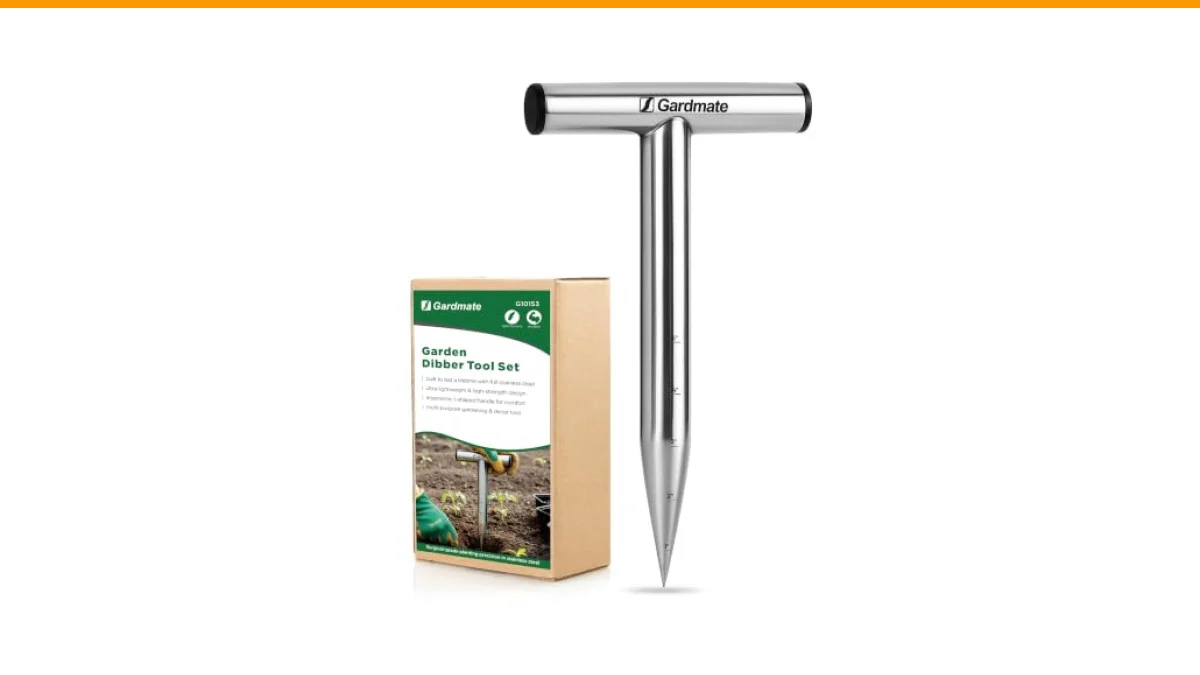
gardmate Stainless Steel Hand Dibber with Depth Markings & T-Handle, Rust-Resistant Bulb Planter Tool for Seeds, Seedlings & Bulbs – Ergonomic Design for Garden & Lawn
- BUILT TO LAST A LIFETIME WITH FULL STAINLESS STEEL: Crafted from a single piece of high-quality, rust-resistant stainless steel. U…
- ENSURE PRECISION PLANTING WITH DEPTH MARKINGS: Features laser-engraved depth markings on a sharp, tapered drill bit. This ensures…
- ULTRA-LIGHTWEIGHT & HIGH-STRENGTH DESIGN: Weighing only 0.5 lbs, our tool is lighter than traditional heavy planters, reducing fat…
One excellent option for a dibber is the gardmate Stainless Steel Hand Dibber. This tool features a rust-resistant design and depth markings, making it ideal for planting seeds, seedlings, and bulbs.
Understanding the Dibber Tool
A dibber, also known as a dibble or planting stick, is a pointed tool used to create holes in the soil for planting seeds and bulbs. Traditionally made from wood, modern dibbers are often crafted from durable materials like stainless steel for longevity and ease of use. The shape and design of a dibber allow for precise planting, which is crucial for successful gardening.
Common Uses of the Dibber Tool in Gardening
Dibbers have several valuable applications in the garden. Here are some of the most common uses:
- Planting Seeds: The primary use of a dibber is for planting seeds. By creating holes at a consistent depth, gardeners can ensure optimal conditions for seed germination.
- Transplanting Seedlings: A dibber is also handy when moving seedlings from trays to the garden. It helps to gently create a hole without disturbing the roots too much.
- Planting Bulbs: For bulbs like tulips and daffodils, the dibber ensures they are planted at the correct depth, which is crucial for their growth and blooming.
- Soil Aeration: Use a dibber to aerate compacted soil. This promotes better root growth and improves soil drainage.
- Installing Garden Markers: A dibber can create holes for installing garden markers or stakes, keeping your garden organized and visually appealing.
Choosing the Right Dibber Tool
When selecting a dibber, consider the following factors:
- Material: Look for a dibber made from durable materials like stainless steel, which will resist rust and withstand harsh gardening conditions.
- Design: An ergonomic handle will provide comfort during use, reducing strain on your hands and wrists.
- Depth Markings: Opt for a dibber with depth markings to ensure consistent planting depths, which can significantly affect growth rates.
- Weight: A lightweight design can help reduce fatigue during prolonged use, especially for larger planting tasks.
Dibber Tool Comparison Table
| Feature | gardmate Dibber | Traditional Wooden Dibber | Plastic Dibber |
|---|---|---|---|
| Material | Stainless Steel | Wood | Plastic |
| Durability | High | Medium | Low |
| Weight | 0.5 lbs | Varies | Lightweight |
| Ergonomic Handle | Yes | No | No |
| Depth Markings | Yes | No | No |
FAQs about Dibber Tool Uses in Gardening
What is the best way to use a dibber?
To use a dibber effectively, hold the handle firmly and press the pointed end into the soil at the desired depth. Twist slightly if necessary to create a clean hole. Place your seed or bulb in the hole and cover it lightly with soil.
Can I use a dibber for large seeds?
Yes, a dibber can be used for larger seeds, but ensure the dibber’s size is adequate for the seed you’re planting. Larger seeds may require a wider dibber or an additional tool for better results.
How deep should I plant seeds with a dibber?
The planting depth depends on the seed type. Generally, small seeds should be planted at a depth of about 1/4 to 1/2 inch, while larger seeds and bulbs may require depths of 2 to 4 inches. Always check seed packaging for specific recommendations.
Is a dibber necessary for home gardening?
While not strictly necessary, a dibber greatly enhances planting precision and efficiency. Using one can lead to better germination rates and healthier plants.
Where can I find quality dibbers?
You can find quality dibbers at garden supply stores, online retailers, and specialty gardening shops. Look for tools with good reviews and solid construction.
Final Thoughts on Dibber Tool Uses
- A dibber is essential for precise planting of seeds and bulbs.
- Choose a dibber made from durable materials for longevity.
- Look for ergonomic designs to reduce hand strain during use.
- Utilize depth markings for consistent planting results.
- Consider additional uses, like soil aeration and installing markers.
- Explore different types of dibbers to find the best fit for your gardening style.
- Maintain your dibber properly to ensure it lasts for many seasons.