
Most mower reviews tell you a machine is great on hills. None of them tell you what a hill actually is. A 15-degree slope and a 30-degree slope are completely different problems, and the wrong mower on the wrong grade ends with a rollover or a stripped transmission.
| 1st Pick | 2nd Pick | 3rd Pick | 4th Pick | 5th Pick |

|
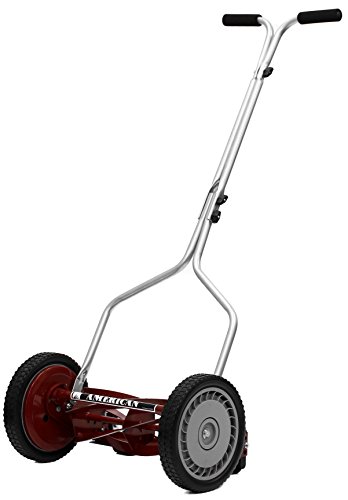
|
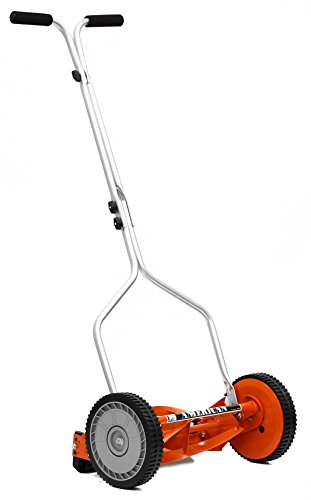
|

|

|
| American Lawn Mower Company American Lawn Mower 1415-16SK2 16-Inch 5-Blade Reel Mower with Sharpener | American Lawn Mower Company American Lawn Mower Company 1304-14 14-Inch 5-Blade Push Reel Lawn Mower | American Lawn Mower Company American Lawn Mower 1204-14 14-Inch 4-Blade Push Reel Lawn Mower, Red | American Lawn Mower Company American Lawn Mower 1815-18 18-Inch 5-Blade Push Reel Lawn Mower, Black | AIWEIYA AIWEIYA-Remote Control Lawn Mower,Oil-Electric Hybrid Crawler Track Mower,1.1-5.9 Inch Cutting Height Professional Landscape and Estate Mower for 100% Slope(45°) Large Turf Grass Cutting |
| Buy on Amazon | Buy on Amazon | Buy on Amazon | Buy on Amazon | Buy on Amazon |
This guide fixes that. Measure your slope first, then pick a mower that matches the number. Below are five machines that handle different grades, from a lightweight reel push mower you can steer on a gentle bank to a remote-control crawler built for 45-degree ground.
Here is how the five picks compare on the specs that actually decide whether a mower survives your hill.
| Features | 1415-16SK2 Reel | 1304-14 Push Reel | 1204-14 Push Reel | 1815-18 Push Reel | AIWEIYA Remote Crawler |
|---|---|---|---|---|---|
| Cutting width | 16 inches | 14 inches | 14 inches | 18 inches | Not specified |
| Blade count | 5-blade reel | 5-blade reel | 4-blade reel | 5-blade reel | Two-piece manganese blade |
| Cut height range | Not specified | 1 to 2.25 inches | 0.5 to 1.75 inches | 0.5 to 2.75 inches | 1.1 to 5.9 inches |
| Drive system | Manual push | Manual push | Manual push | Manual push | Brushless motor, rubber tracks |
| Best use case | Small flat-to-gentle lawns | Trim, small yards | Small yards, low cut | Medium yards, gentle slopes | Steep slopes to 45 degrees |

American Lawn Mower 1415-16SK2
American Lawn Mower Company
American Lawn Mower 1415-16SK2 16-Inch 5-Blade Reel Mower with Sharpener
- 5-Blade reel with a cutting width of 16” and durable 10” polymer wheels for maximum maneuverability
- Hand Sharpener Included
- Environment-friendly alternative to other lawn mowers and is pollution-free and noise-free; Low maintenance, lightweight and easy…
This is a 16-inch five-blade reel mower with a built-in sharpener. It suits someone with a small lawn and a mild slope who wants zero fuel, zero noise, and almost no maintenance.
The sharpener is the standout. Reel mowers dull over a season and most owners never touch the blades. Having the tool in the box removes the main reason people abandon reel mowers. The 10-inch polymer wheels roll over uneven ground without digging in, and the scissor cut leaves grass tips clean instead of torn.
Here is the honest part. A reel mower needs momentum to cut, and momentum is hard to build going uphill. On anything past a gentle grade you’ll be pushing harder than you expect. Wet grass also jams the reel, so timing matters more than with a gas mower.
- 16-inch cut covers small lawns fast
- Sharpener included, which is rare at this level
- No fuel, no oil, no spark plug
- Struggles on wet grass and steep grades
Best for: Owners of small, mostly flat yards with one gentle bank who want a quiet, fuel-free cut.
American Lawn Mower 1304-14
American Lawn Mower Company
American Lawn Mower Company 1304-14 14-Inch 5-Blade Push Reel Lawn Mower
- 5-blade reel with a cutting width of 14” and durable 10” polymer wheels for maximum maneuverability
- Mechanical lawn mower with an adjustable blade height of 1”-2.25” with scissor action cut
- Manual grass cutter blades made of heat-treated alloy steel that stays sharp for years
A 14-inch five-blade reel mower with heat-treated alloy steel blades and a 1 to 2.25-inch height range. It fits tight lawns, townhouse yards, and anyone who wants a trim machine for edges and small patches.
Heat-treated alloy steel is the real selling point. These blades hold an edge for years, which matters because sharpening a reel by hand is tedious. The narrow 14-inch deck also makes it easier to control on a slope than a wider mower, since you’re not fighting as much weight or torque.
The trade-off is coverage. A 14-inch cut means more passes, and more passes on a hill means more fatigue. If your slope is long, this will wear you out before the lawn is done.
- Heat-treated alloy steel blades stay sharp
- Adjustable height from 1 to 2.25 inches
- Handles grass up to 4 inches tall
- Narrow cut means more laps
Best for: Small-yard owners who want a durable reel mower for flat ground and light slopes.
American Lawn Mower 1204-14
American Lawn Mower Company
American Lawn Mower 1204-14 14-Inch 4-Blade Push Reel Lawn Mower, Red
- 4-blade reel mower with a cutting width of 14” and durable 8.5” polymer wheels for maximum maneuverability. Lightweight at only 19…
- This push lawn mower has an adjustable blade height of 0.5”-1.75”. Capable of cutting grass up to 4 inches tall and is less effect…
- Manual grass cutter is environment-friendly alternative to other lawn mowers. This push mower is pollution-free, noise-free, low m…
The lightest pick here at 19 pounds, with a four-blade reel and a 14-inch cut. It’s built for small lawns and buyers who want the lowest possible effort to get started.
Low weight is a genuine advantage on a hill. You can carry it up a bank, turn it easily, and lift it over obstacles without straining. The 0.5 to 1.75-inch height range also gives you a shorter cut than the other reels, which suits warm-season grasses kept tight.
Four blades instead of five means a slightly less refined cut, and the low height range limits you if you let grass grow. It’s also less effective on taller grass, so this is a machine for disciplined, frequent mowing.
- Only 19 pounds, easy to carry and turn
- Four-blade reel with 14-inch cut
- Cut height from 0.5 to 1.75 inches
- Less effective once grass passes 4 inches
Best for: Budget buyers with small yards who want the lightest reel mower available.
American Lawn Mower 1815-18
An 18-inch five-blade reel mower with the widest cut in this group and a 0.5 to 2.75-inch height range. It targets small to medium yards where you want fewer passes and a customized cut.
The 18-inch deck is the reason to pick this one. Wider coverage means fewer laps, and fewer laps means less time pushing uphill. The height range is also the broadest of the four reels, so you can dial in a taller cut for summer heat stress. A five-year manufacturer protection plan adds real peace of mind.
Wider also means heavier and harder to steer on a tight slope. The product data notes it’s designed for smooth operation on flat lawns, so treat it as a flat-ground machine with light-slope tolerance. Multiple passes are needed on taller grass.
- Widest cut here at 18 inches
- Height range from 0.5 to 2.75 inches
- Five-year manufacturer protection plan
- Made for flat lawns, not steep grades
Best for: Medium-yard owners on flat or gently sloped ground who want fewer passes.
AIWEIYA-Remote Control Lawn Mower
AIWEIYA
AIWEIYA-Remote Control Lawn Mower,Oil-Electric Hybrid Crawler Track Mower,1.1-5.9 Inch Cutting Height Professional Landscape and Estate Mower for 100% Slope(45°) Large Turf Grass Cutting
- ⚡【Adjustable mowing height】: The robot mower can adjust the cutting height by remote control. The height of the chassis can be rai…
- ⚡【Mowing Efficiency】: Using a two-piece manganese blade ensures a precise, fine cut that covers the grass and actually helps ferti…
- ⚡【Brushless Motor】 - 1600W 24V permanent magnet drive motor provides optimal power and lifespan, improving the performance of your…
A remote-control crawler mower with a hybrid oil-electric power system, rubber tracks, and a 1600W brushless motor. It’s the only pick here built for genuinely steep ground, rated for a 100% slope, which is 45 degrees.
Tracks change everything on a hill. Rubber tracks spread weight and grip where wheels slip, and the remote control means you stand on flat ground while the machine works the slope. It rotates 360 degrees on the spot and climbs without a driver. The cutting height adjusts from 1.1 to 5.9 inches by remote, and the two-piece manganese blade mulches as it cuts.
This is not a casual purchase. It costs far more than a reel mower, needs a maintenance routine, and the learning curve on the remote takes a session or two. For a homeowner with a small lawn it’s overkill. For a steep bank, an orchard, or a terraced property, it’s the only realistic option on this list.
- Rated for slopes up to 45 degrees
- Remote control keeps you off the slope
- 1600W brushless motor with rubber tracks
- Cut height from 1.1 to 5.9 inches
Best for: Owners of steep banks, orchards, and terraced land who can’t safely push or ride a mower.
How We Chose These Products
We started with slope capability, not brand names. Every pick had to have a clear terrain limit stated in the product data, because a mower without a slope rating is a guess. Then we weighed cutting width against weight, since heavier machines are harder to control on a grade.
We also looked at what breaks. Reel mowers fail when blades dull, so the included sharpener on the 1415-16SK2 counted heavily. Slope mowers fail when traction gives out, so tracked drive on the AIWEIYA mattered more than horsepower claims. Maintenance burden and parts availability rounded out the scoring.
How to Measure Your Slope Before You Buy
Degrees vs. Percent Grade
Slope gets quoted two ways and they don’t match. Degrees measure the angle from horizontal. Percent grade measures rise over run, so a 100% grade is a 45-degree angle, not a 90-degree one. A 15-degree slope is roughly a 27% grade. A 30-degree slope is about 58%.
This matters because mower specs mix the two. When a machine is rated for a 100% slope, that’s 45 degrees. When a manual says 15 degrees, that’s a 27% grade. Convert before you compare, or you’ll buy the wrong machine.
Quick Slope Test Without Tools
Stand a 4-foot level on the slope and lift the downhill end until it reads level. Measure the gap from the ground to the bottom of the level in inches. Divide that gap by 48 and multiply by 100. A 12-inch gap is a 25% grade, about 14 degrees.
No level? Walk the slope. If you lean forward to keep balance, it’s likely past 20 degrees. If you’d hesitate to push a wheelbarrow down it, treat it as steep and pick a tracked or remote machine.
Best Mower Types for Hills Compared
Zero-Turn
Zero-turn mowers turn tight and cut fast on flat ground. On slopes they lose traction quickly because the drive wheels are small and the center of gravity is low but narrow. Most manufacturers cap them around 15 degrees. They are not a hill machine.
Lawn Tractor
A lawn tractor with a hydrostatic transmission and differential lock handles gentle slopes better than a zero-turn. Wider wheelbase and heavier frame help. Still, most are rated for 15 degrees or less, and rollover risk rises fast past that. If you’re set on a rider, look at riding mowers built for slopes before you commit.
Self-Propelled Walk-Behind
Self-propelled walk-behind mowers with all-wheel drive and large rear wheels handle 20 to 25 degrees in good conditions. You stay off the machine, so rollover risk is lower, but slipping and loss of control still happen. Rear-wheel drive helps on inclines, and you can read more in this rear-wheel drive mower guide.
Remote-Control Slope Mower
Tracked remote-control mowers are the only type rated for 30 degrees and beyond. The operator stands on flat ground. Traction comes from tracks, not wheels. The trade-off is cost, weight, and a steeper learning curve.
Top Picks by Slope and Budget
Gentle Slopes (under 15 degrees)
The American Lawn Mower 1815-18 handles this range with the fewest passes. Its 18-inch cut and broad height range suit a yard with a mild rise. Pair it with a disciplined mowing schedule.
Steep Slopes (15-30 degrees)
No reel mower belongs here. A self-propelled all-wheel-drive walk-behind is the practical choice, and a small riding mower with a differential lock can work if the slope is short and dry. For robot options, see this robot mower for hills roundup.
Extreme Slopes (30 degrees and up)
The AIWEIYA remote crawler is the pick. It’s the only machine here rated for 45 degrees, and the remote control removes the operator from the danger zone entirely.
Slope Safety Rules That Prevent Rollovers
Mow across a slope, never straight up and down. Driving straight up risks a backward tip. Driving straight down risks a loss of braking and a slide. Across the face keeps the machine level.
Turn downhill, not uphill. A turn toward the high side shifts weight onto the uphill wheels and can flip a rider. If your machine has rollover protection, use the seatbelt. If it doesn’t, don’t mow the steep section at all.
Wet grass ends the session. Traction drops hard on damp slopes, and a slide on a grade is how most accidents start. Skip the mow and wait a day.
Gas vs. Battery vs. Remote: Cost of Ownership
Gas mowers cost less up front but add fuel, oil, spark plugs, air filters, and annual service. Over five years that adds up, and slope work burns more fuel because the engine loads harder.
Battery mowers cut fuel and service costs but introduce battery degradation. Repeated slope loads drain packs faster and heat them more, which shortens lifespan. Budget for a replacement pack within a few seasons.
Remote-control crawler mowers cost the most up front and the least in labor. No fuel, no oil changes, and no operator fatigue. The brushless motor and gearbox are built for long service, and the main ongoing cost is blade maintenance and track wear. For a steep property, the labor savings often justify the price. Check the current price on Amazon before you decide.
Maintenance Tips for Slope Mowing
Sharpen reel blades at least once a season. Dull blades tear grass, and torn grass on a slope is more prone to stress and disease. The 1415-16SK2 includes a sharpener, which makes this easy.
Check tire or track pressure and tension before every slope session. Traction is your only safety system on a grade, and it fails quietly. Clean the underside after each mow to stop clippings from packing into the deck.
For gas machines, change oil more often than the manual suggests if you mow slopes regularly. The engine works harder and runs hotter on inclines.
Frequently Asked Questions
Can I mow a 30-degree slope with a riding mower?
Most riding mowers are rated for 15 degrees or less. A few commercial-grade machines handle more, but a standard lawn tractor on a 30-degree slope is a rollover waiting to happen. Use a walk-behind or a remote-control crawler instead.
How do I convert my slope from percent to degrees?
Divide the percent grade by 100, then take the inverse tangent. A 50% grade becomes 0.5, and the inverse tangent of 0.5 is about 26.6 degrees. For quick math, a 100% grade is 45 degrees and a 15-degree slope is about 27%.
Is a reel mower good for hills?
Only for gentle slopes. Reel mowers need forward momentum to cut, and pushing uphill drains you fast. They work on mild banks under about 10 degrees if the grass is dry and short. Past that, a self-propelled or tracked machine is the better call.
How often should I mow a slope?
More often than flat ground. Mow no more than one-third of the blade height per pass, and never let grass pass 4 inches on a slope. Short, frequent cuts keep the machine stable and the grass healthy.
Final Verdict
The best type of mower for hills depends entirely on your slope number. Under 15 degrees, the American Lawn Mower 1815-18 gives you the widest cut and the fewest passes for the money. Between 15 and 30 degrees, skip the reels and go self-propelled or look at a small riding mower with a differential lock.
Past 30 degrees, the AIWEIYA remote-control crawler is the only machine here that belongs on the hill. It costs more, and it takes practice to run the remote. But it keeps you off the slope, and that’s the whole point.



