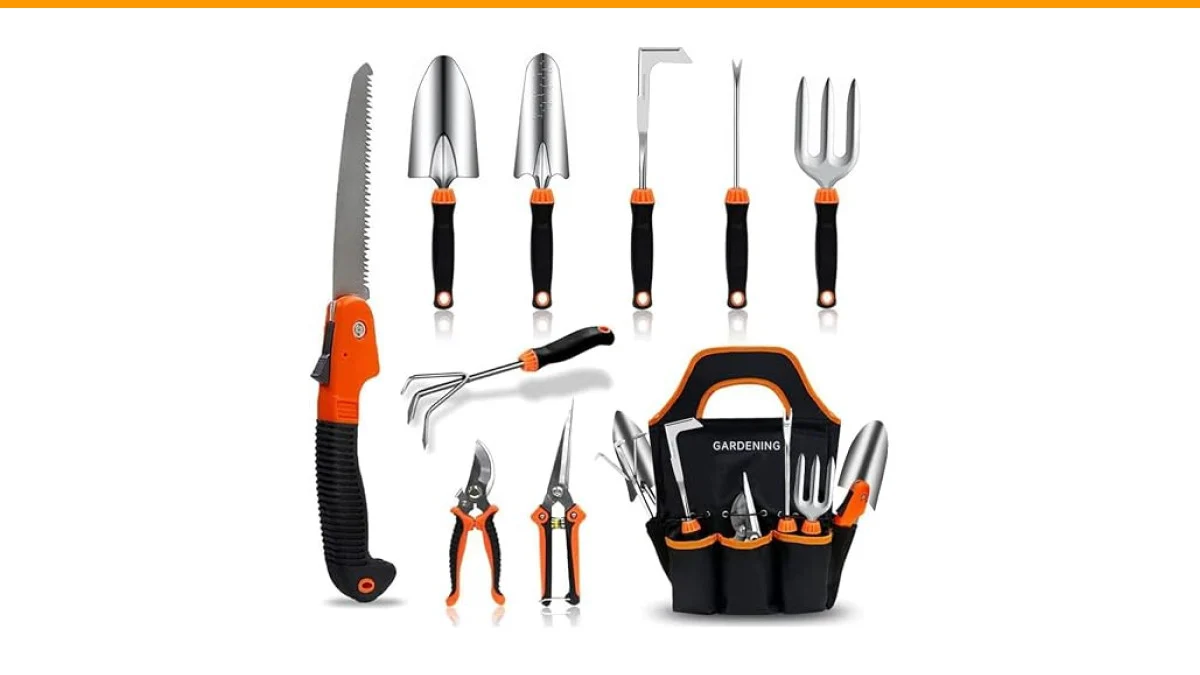
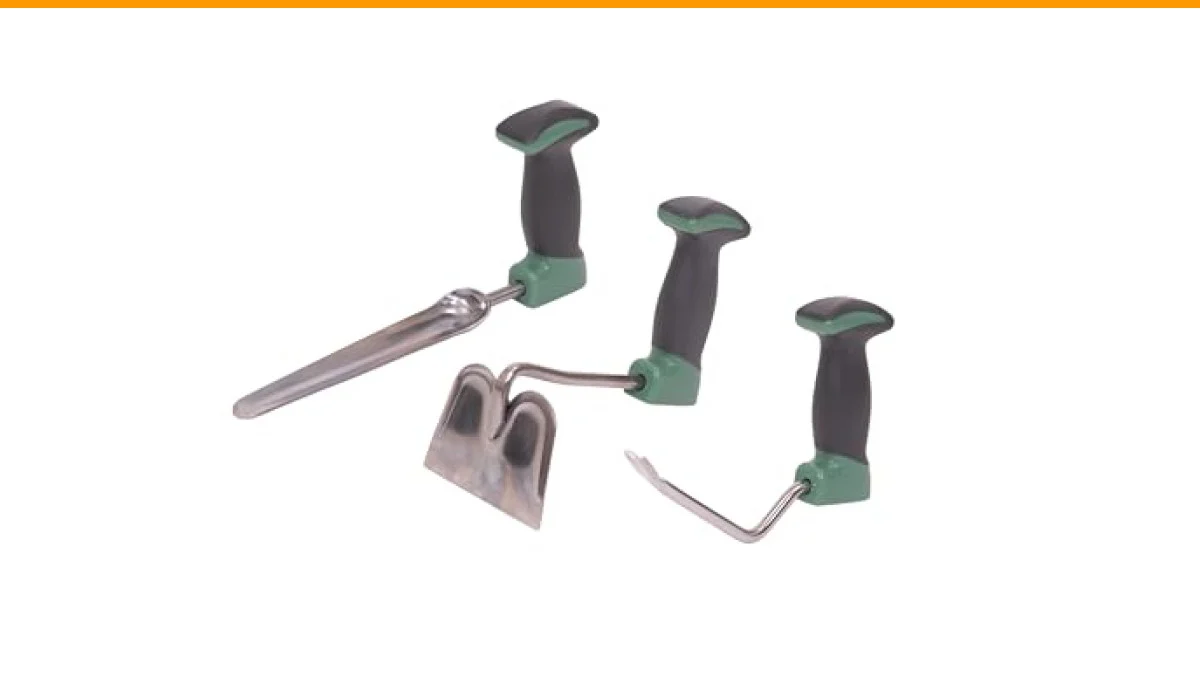
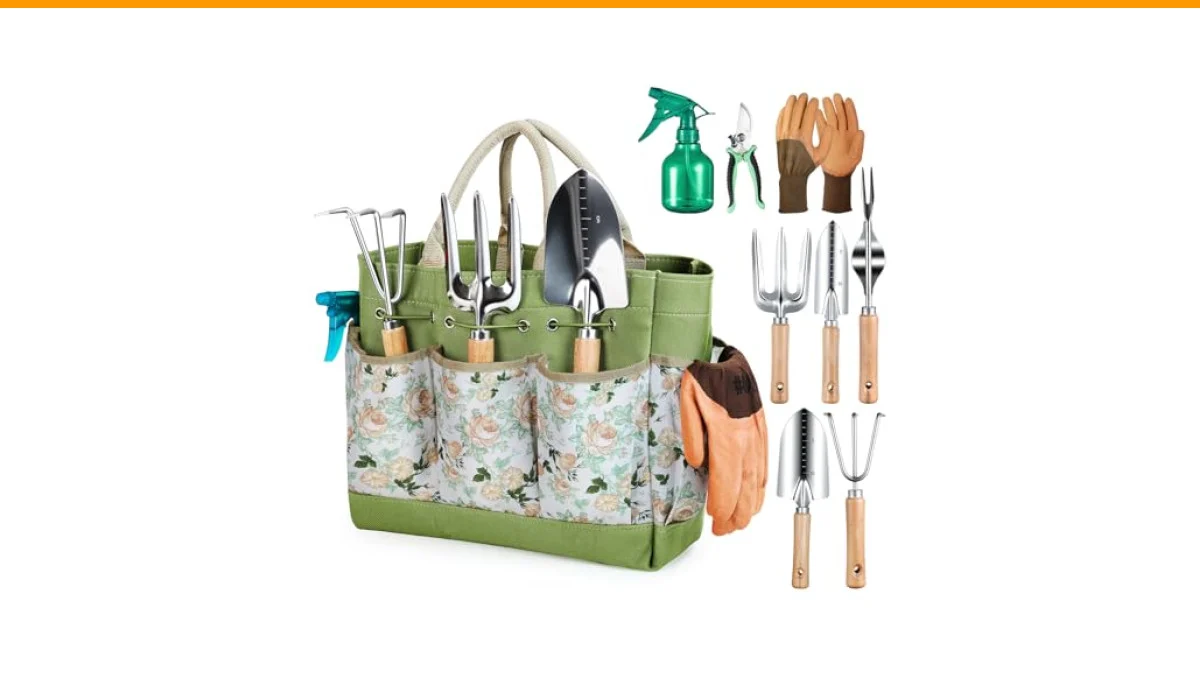
I bought three soil testers last spring and returned two of them. The first read every pot as bone dry, even after rain. The second had a pH needle stuck at 7 no matter what I did. Sound familiar? Walk into any garden center and you’ll see the same problem: dozens of meters, all promising lab-grade accuracy, most built with a $2 probe.
A good soil tester doesn’t need a fancy screen. It needs a probe that reads the same spot twice, a clear scale, and a design that survives a season of mud. Digital units add pH, temperature, and light. Analog units skip the battery and never die mid-season. The trick is knowing which one fits your garden.
Below are five testers I’d actually recommend, from a full 7-in-1 digital kit to a no-battery analog stick. I’ll cover what each does well, where it stumbles, and which one suits most homes.
Here’s the quick spec breakdown before the full reviews:
| Features | Buladeke 7-in-1 | YAMRON 4-in-1 | HSLGOVE 7-in-1 | Auduto 7-in-1 | SONKIR MS02 |
|---|---|---|---|---|---|
| Measurement Type | Digital LCD | Digital LCD | Dial + LCD | LCD Display | Analog dial |
| Functions | 7 (moisture, pH, temp, light, EC, TDS, fertility) | 4 (moisture, pH, temp, light) | 7 (soil + air readings) | 7 (soil + air readings) | 3 (moisture, pH, light) |
| Power Source | 4x AAA (not included) | 4x AAA (not included) | 3 batteries | Not specified | None needed |
| Probe Depth | 10 cm (4 in) | 10 cm (4 in) | 3 in minimum | 2/3 of probe length | Not specified |
| Best Use Case | Data-hungry growers | Indoor plant care | Full garden monitoring | Lawns and beds | Quick checks, no fuss |
Buladeke Moisture Meter for Plants
Buladeke
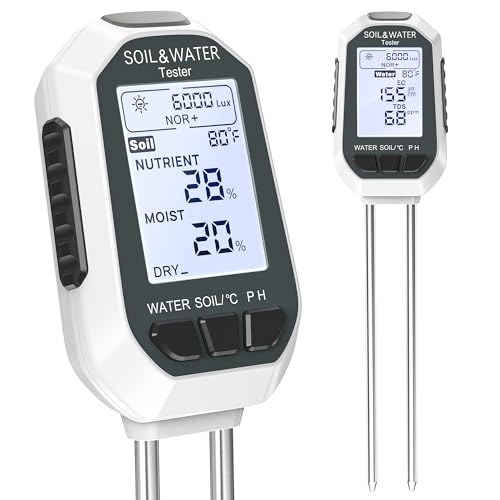
Buladeke Moisture Meter for Plants,7-in-1 Digital Soil Tester Kit | Soil pH Tester with LCD - Measures pH, EC, TDS, Fertility, Temp, Moisture & Sunlight, Garden Tools for Indoor & Outdoor
- 【7-in-1 Features】This is a 7-in-1 multi-function soil tester. Our soil tester quickly measures soil moisture, pH, temperature and…
- 【Large Screen & LCD Backlight】The Soil Moisture Meter has a large LCD display with white backlight that clearly shows the numerica…
- 【Fast and accurate measurement】With the latest 2025 probe technology, it can quickly and accurately measure soil pH, moisture, tem…
The Buladeke 7-in-1 is the most feature-loaded tester in this group. It reads soil moisture, pH, temperature, light intensity, plus EC, TDS, and fertility. If you keep a spreadsheet of your garden readings, this is the one. It suits serious indoor growers, greenhouse hobbyists, and anyone who wants water quality numbers alongside soil data.
What sets it apart is the EC and TDS functions. Most soil meters stop at moisture and pH. EC tells you how much dissolved salt sits in your soil solution, which matters if you fertilize heavily or use tap water with high mineral content. The white backlit LCD stays readable at dusk. The 2026 probe tech reads in about 10 seconds once inserted.
Here’s the honest part: it needs four AAA batteries, sold separately. The probe must not touch liquid, only soil. And if your soil is bone dry, you’ll need to moisten it first and wait ten minutes or the probe can bend. That’s a real limitation for sandy or compacted ground.
- Reads seven parameters including EC, TDS, and fertility
- Large backlit LCD for night or shade readings
- 10-second read time at 10 cm depth
- Low-battery warning built in
- Requires 4x AAA batteries (not included)
Best for: Data-driven growers who want EC and TDS readings, not just moisture and pH.
YAMRON 4-in-1 Soil Moisture Meter

YAMRON
4-in-1 Soil Moisture Meter Digital Plant Temperature/Soil Moisture/PH Meter/Sunlight Intensity Backlight LCD Display Soil Test Meter for Gardening, Farming and Outdoor Plants
- 【4 in 1 function】This is a 4-in-1 multifunctional soil tester.Our soil tester fastly to measure soil moisture, pH, temperature and…
- 【Large Screen & Backlight LCD Display】The Soil Tester uses a large LCD screen and white backlight to conveniently display and read…
- 【Quick Accurate measurement】The latest probe detection technology in 2026 can quickly and accurately measure the pH, moisture and…
If the Buladeke felt like overkill, the YAMRON 4-in-1 is the opposite. It covers the essentials: moisture, pH, temperature, and sunlight. That’s enough for most houseplants and raised beds. Beginners and casual indoor gardeners will find it simpler to operate than the 7-in-1 units.
The 45-degree rotating head is the standout detail. You can tilt the screen toward you without bending over. That’s a small thing until you’re crouched between tomato cages at 7 a.m. The backlit LCD works in low light, and the 2026 probe tech delivers a reading in about 10 seconds at 10 cm depth.
YAMRON’s own instructions ask you to test at least five spots and average the readings for pH and moisture. That’s smart advice, but it means more work per session. The unit also needs four AAA batteries and can’t touch liquids. Dry soil needs pre-moistening, same as the Buladeke.
- Four core readings: moisture, pH, temperature, light
- 45-degree tilting head for easier viewing
- 10-second read time, 10 cm insertion depth
- Backlit LCD for dim conditions
- Requires 4x AAA batteries (not included)
Best for: Indoor plant owners who want solid basics without paying for EC or TDS features.
HSLGOVE Soil Test Kit, 7-in-1 with Dual Screen

HSLGOVE
HSLGOVE Soil Test Kit, 7-in-One Soil Moisture Meter/Soil PH Meter/Fertility, Dual Screen Soil Tester w/Digital Soil Temp/Air Temp&Humidity for Plants Gardening,Lawn,Farm Indoor&Outdoor-Lvory White
- ✅ 1Dial & 1 LCD Screen - Replace/install all 3 batteries each time. Put button to %RH/°F to - Turn On, and put to LIGHT to - Turn…
- 7Meter-in1 Comprehensive Maintenace: Specially designed for beginners, the built-in 1.6" chips board, can meet all your needs for…
- Design Patented US & Utility Patented US: Origin Dual-Dial Design -combined with both soil meter and LCD-display soil/air temperat…
HSLGOVE takes a different approach. Instead of an all-digital readout, it pairs a traditional dial with an LCD screen. The dial handles moisture, pH, fertility, and sunlight. The LCD shows soil temperature plus air temperature and humidity. That dual-display design earned a US design patent.
The single-probe build is a genuine advantage. Three-metal construction resists corrosion, and one probe disturbs less root mass than a two-prong fork. The 6.8-inch length reaches into medium and large pots without forcing. For anyone testing indoor humidity alongside soil conditions, this is the most complete single unit here.
There is a quirk worth noting. You replace all three batteries at once, and the mode switch doubles as the power control. Turn to %RH or °F to power on, turn to LIGHT to power off. It’s not intuitive on day one. The 3-5 minute wait for LCD results is also slower than the digital-only meters.
- Dual-dial design with analog dial plus LCD screen
- Reads soil moisture, pH, fertility, sunlight, soil temp, air temp, and humidity
- 6.8-inch single metal probe for less root damage
- Works in medium to large potted plants
- Requires 3 batteries, replaced together
Best for: Gardeners who want air humidity data alongside soil readings in one tool.
Auduto 7-in-1 Soil Test Kit

Auduto
7-in-one Soil Test Kit, Soil Moisture Meter/PH Meter/Sunlight Intensity/Fertility Soil Tester, LCD Display Air & Soil Hygrometer Temperature for Hous Plants Garden, Farm, Lawn Care Moisture Meter
- Scientific maintenance: The 7 in one soil testing kit is more suitable for beginners, and can help you comprehensively understand…
- Design Patented US & Utility Patented US: Originate Designed -combined with both soil meter and LCD-display soil/air temperature a…
- Metal probes, Fast and Accurate: Our soil tester probes are made of high-quality metal materials, which are more corrosion-resista…
Auduto’s 7-in-1 covers the same ground as the HSLGOVE: moisture, pH, sunlight, fertility, soil temperature, air humidity, and air temperature. The metal probes use corrosion-resistant material with high conductivity. That translates to faster response when you push into damp soil.
This unit is built for broad use. Home gardens, rice plots, vegetable beds, potted plants, greenhouses, and lawns all fall within its stated range. The LCD shows air and soil conditions side by side, which helps when you’re diagnosing whether a problem is above or below ground.
Auduto’s own tips list several restrictions. It won’t work in sandy or loose soil. It shouldn’t sit in the ground long-term. You need to insert two-thirds of the probe depth for an accurate read. And you shouldn’t reuse it in the exact same spot. Those limits matter if you garden in sand or want a leave-in monitor.
- Seven functions covering soil and air conditions
- Corrosion-resistant metal probes for fast response
- LCD shows soil and air data together
- Suits lawns, beds, greenhouses, and potted plants
- Not suitable for sandy or loose soils
Best for: Lawn and vegetable gardeners in loam or clay soil who want air data too.
SONKIR Soil pH Meter, MS02

SONKIR
SONKIR Soil pH Meter, MS02 3-in-1 Soil Moisture/Light/pH Tester Gardening Tool Kits for Plant Care, Great for Garden, Lawn, Farm, Indoor & Outdoor Use (Green)
- Kindly NOTE: This soil tester can not be applied to test pH value of any other liquid. If the soil is too dry the indicator will n…
- 3 METERS IN ONE: Soil moisture level, Soil pH value and Sunlight level could be tested easily according to your need by switching…
- NO BATTERY NEEDED: Simply insert the meter into soil, wait few minutes, accurate test results will be displayed on the readout pan…
The SONKIR MS02 is the old-school pick, and that’s a compliment. No batteries, no backlight, no menu. Insert the probe, wait a few minutes, and read the analog dial. It covers moisture, pH, and sunlight. Anyone who has killed a digital meter by leaving it out in the rain will appreciate the simplicity.
Battery-free operation is the real selling point. There’s nothing to charge, nothing to corrode in a drawer over winter, and nothing to fail mid-season. The compact build fits in a back pocket. For quick spot checks across a lawn or a row of pots, it’s faster to grab than any digital unit here.
The trade-offs are real. Analog dials are less precise than digital readouts, and the needle won’t move at all in dry soil. You’ll need to water first and wait. There’s also no temperature or humidity reading, so it won’t replace a full kit if you want those numbers.
- Three functions: moisture, pH, and sunlight
- No battery required, ever
- Analog dial with instant visual readout
- Compact and portable for spot checks
- Needle won’t register in bone-dry soil
Best for: Gardeners who want a grab-and-go tester that never needs batteries or charging.
How We Chose These Products
I started by filtering out testers with vague specs or no stated probe depth. A meter without a defined insertion depth is a guessing game. Every pick here lists how deep it reads and what it measures.
Next I weighed function count against real usefulness. Seven functions sound great until you realize you’ll never use TDS on a tomato plant. Each pick earns its spot by solving a specific problem: data depth, simplicity, dual readings, broad coverage, or zero maintenance. You can see how this plays out across soil types in this sandy soil tester guide.
Buying Guide: What Really Matters
Probe depth drives accuracy more than any screen feature. A 10 cm probe reads the root zone where moisture actually matters. Shallow probes give you surface numbers that dry out fast. Check the stated depth before you buy.
Battery versus no-battery is a lifestyle choice. Digital meters give you precise numbers but need four AAA cells and don’t survive neglect. Analog meters lose precision but never die. If you test once a week, analog wins. If you log daily readings, go digital.
Match the tester to your soil type. Clay and loam work with any probe here. Sandy or loose soil rules out the Auduto and stresses the others. For those conditions, a dedicated acidic soil tester may fit better. And if you grow organically, look for units that report fertility without chemical test strips.
How to Collect a Soil Sample Correctly
Most bad readings come from bad sampling, not bad meters. Dig 4 to 6 inches down at several spots. Mix those samples in a clean bucket. Test the mixed soil, not the surface.
Test at least five zones per bed and average the results. Single-spot readings lie, especially near paths or walls. Avoid testing right after fertilizing or watering. Wait a day for the soil to settle.
Clean the probe between tests with a damp cloth. Residual soil from a wet spot can skew the next dry reading. This one habit extends probe life and improves consistency.
Calibration, Care, and Lifespan
No consumer soil meter holds calibration forever. Digital units drift after a season or two. Analog units hold longer but lose needle sensitivity. Recheck against a known sample once a year if accuracy matters.
Store probes dry and clean. Never leave any tester in the ground between uses. Moisture corrodes the metal and kills the sensor. Wipe the probe after every session and cap it if the unit ships with a cover.
Expect one to three seasons of reliable use from budget units. The three-metal probe on the HSLGOVE and the corrosion-resistant build on the Auduto should last longer than basic models. None of these are lab instruments, so treat them as trend trackers, not precision tools.
Our Top Recommendation
The Buladeke 7-in-1 wins for most people. It covers moisture, pH, temperature, light, EC, TDS, and fertility in one unit. The backlit screen reads clearly, and the 10-second response keeps testing quick. If you want the most data per dollar, start there.
For a simpler setup, the YAMRON 4-in-1 is the runner-up. It drops the EC and TDS functions most gardeners never use and adds a tilting head. Budget shoppers should grab the SONKIR MS02. No batteries, no charging, no fuss. Pick based on how much data you’ll actually use.
Frequently Asked Questions
Can I leave a soil tester in the ground permanently? No. Every unit here warns against long-term soil contact. Moisture corrodes the probe and skews readings. Insert, read, remove, wipe clean.
Why does my meter read the same pH everywhere? Dry or compacted soil stops the probe from making contact. Water the spot, wait ten minutes, and test again. If it still reads flat, the probe may be damaged.
Do cheap soil testers match lab results? Not exactly. Consumer meters track trends well but drift from lab values. Use them to compare spots and seasons, not to certify soil chemistry. For legal or commercial needs, mail-in lab testing is the safer route.
How often should I test my garden soil? Twice a year works for most beds: once in early spring before planting and once in late summer. Test more often if you’re correcting pH or managing heavy fertilization.