
Petunias are a favorite for many gardeners due to their vibrant colors and long blooming seasons. However, to maintain their beauty and encourage more flowers, regular maintenance is essential. One of the most effective practices is deadheading. This process not only keeps your petunias looking their best but also promotes new growth and extends the blooming period. In this article, you’ll learn the importance of deadheading, the best techniques to use, and some expert tips to ensure your petunias thrive.
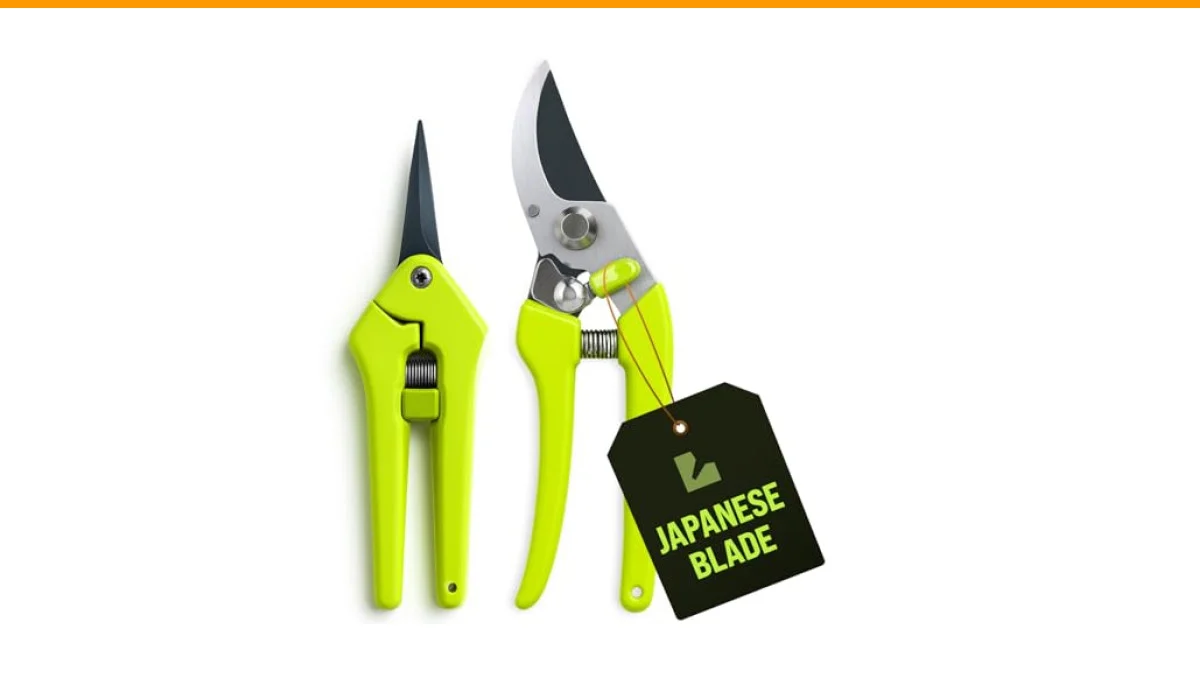
Using the right tools can make deadheading easier and more efficient. Consider investing in a quality pair of gardening scissors, like the 2-Pack Stainless Steel Gardening Scissors from Craft911. These pruning shears and snips are ultra-sharp, making it simple to trim dead blooms without damaging the plant.

Craft911
2-Pack Stainless Steel Gardening Scissors, Pruning Shears and Clippers for Gardening
- DUAL CUTTING POWER: VERSATILE PRUNING COMBO --- With both Pruning Shears and Pruning Snip, this combo delivers unmatched versatili…
- ULTRA SHARP --- Much less effort to cut branches with our combo pack. Our pruning shears are crafted from premium Stainless Steel,…
- RUST PROOF STAINLESS STEEL GARDENING SHEARS --- Our branch cutter tree pruner combo is built to last.
The Importance of Deadheading Petunias
Deadheading is the practice of removing spent flowers from your plants. For petunias, this is especially crucial as it encourages the plant to focus its energy on producing new blooms rather than seed production. Here are some benefits of deadheading:
- Promotes New Growth: When you remove dead flowers, the plant reallocates energy to produce more blooms.
- Enhances Appearance: Regular deadheading keeps your petunias looking fresh and vibrant.
- Prevents Disease: Removing dead or dying flowers can help prevent fungal diseases that thrive in decaying plant matter.
How to Deadhead Petunias: Step-by-Step Guide
Follow these steps to effectively deadhead your petunias:
- Inspect the Plant: Regularly check your petunias for wilted or dead flowers. This should be done at least once a week during the growing season.
- Choose the Right Time: Deadhead in the early morning or late afternoon when temperatures are cooler. This helps minimize stress on the plant.
- Use Sharp Tools: Grab your gardening scissors or pruners. Ensure they are clean and sharp to make precise cuts.
- Cut the Stem: Locate the base of the spent flower. Make a clean cut just above the first set of healthy leaves. This encourages new growth from that point.
- Remove Debris: Clear away any cuttings and debris from around the plant. This helps maintain a clean garden environment.
- Monitor for New Growth: Keep an eye on your petunias after deadheading. New blooms should start to appear within a few weeks.
Deadheading Techniques
There are different methods to deadhead petunias, depending on your preference and the specific type of petunia you have. Here are two effective techniques:
| Technique | Description | Best For |
|---|---|---|
| Pinching | Using your fingers, pinch off the dead flower and a small portion of the stem. | All types of petunias |
| Cutting | Use scissors or pruning shears to cut the stem just above the leaves. | Large or overgrown petunias |
Common Questions About Deadheading Petunias
1. How often should I deadhead petunias?
Deadheading should be done weekly during the growing season. This ensures the plants continue to produce flowers.
2. Can I deadhead petunias too much?
While deadheading is beneficial, excessive cutting can stress the plant. Focus on removing only spent blooms and avoid cutting healthy foliage.
3. What tools do I need to deadhead petunias?
A good pair of pruning shears or scissors is essential. The Craft911 scissors are a great choice for this task.
4. Will deadheading affect the overall health of my petunias?
Proper deadheading improves the health of your petunias by preventing disease and promoting new blooms.
5. Can I deadhead petunias in the fall?
Yes, you can deadhead in the fall to tidy up the plants before winter. However, it’s best to stop once temperatures drop significantly, as the plants will enter dormancy.
Final Thoughts on Deadheading Petunias
- Regular deadheading keeps your petunias blooming.
- Use sharp tools for clean cuts.
- Deadhead weekly for best results.
- Pinching is great for quick deadheading.
- Monitor for new growth after deadheading.
- Keep your garden tidy by removing debris.
- Invest in quality gardening tools for efficiency.
By following these steps, you can ensure your petunias remain healthy and vibrant throughout the season. Proper care and maintenance will reward you with a beautiful display in your garden.


