You push the fork into the bed, hit a pocket of clay, and watch the tines splay sideways. That bent fork goes in the shed and never comes out again. Most cheap hand forks fail the same way, and it usually happens in the first season.

A good garden hand fork needs three things: tines that hold their shape under load, a head-to-handle joint that doesn’t wobble, and a grip you can hold for an hour without your wrist aching. Stainless steel resists rust and soil stick. Wood handles absorb shock. The shape of the tines decides whether you can lift a dandelion taproot or just scratch the surface.
Below are five forks that cover the main buyer types: the traditional wooden-handle gardener, the clay-and-rock battler, the arthritis sufferer who needs a soft grip, the budget buyer, and the long-handle user who refuses to kneel. Each section explains who it suits and where it falls short.
Compare the key specs side by side before you read the full reviews.
| Features | Berry&Bird Hand Fork | Haliaeetus Hand Fork | Garden Guru Fork | MECHEER Hand Rake | Berry&Bird Long Handle |
|---|---|---|---|---|---|
| Material and Build | Stainless steel, ash handle | Thick stainless steel, wood handle | Stainless steel tines, ergonomic grip | Aluminum alloy, TPR rubber grip | Stainless steel, 12-inch ash handle |
| Key Specification | Traditional manual build, FSC wood | 12.3-inch length, 3 sharp tines | Rust-resistant tines, hang hole | 0.28-inch thick curved claws | 22.6-inch total, long reach |
| Main Feature | Balanced proportion for small areas | Deep leverage for large weeds | Comfort grip reduces fatigue | Deep soil penetration, aeration | Reach borders without kneeling |
| Performance | Resists bending in hard soil | Handles rocks and roots | Works around delicate stems | Loosens hard turf easily | Good leverage at distance |
| Best Use Case | Pots, beds and borders | Uprooting established weeds | Weeding and transplanting | Cultivating and aerating | Border work standing up |
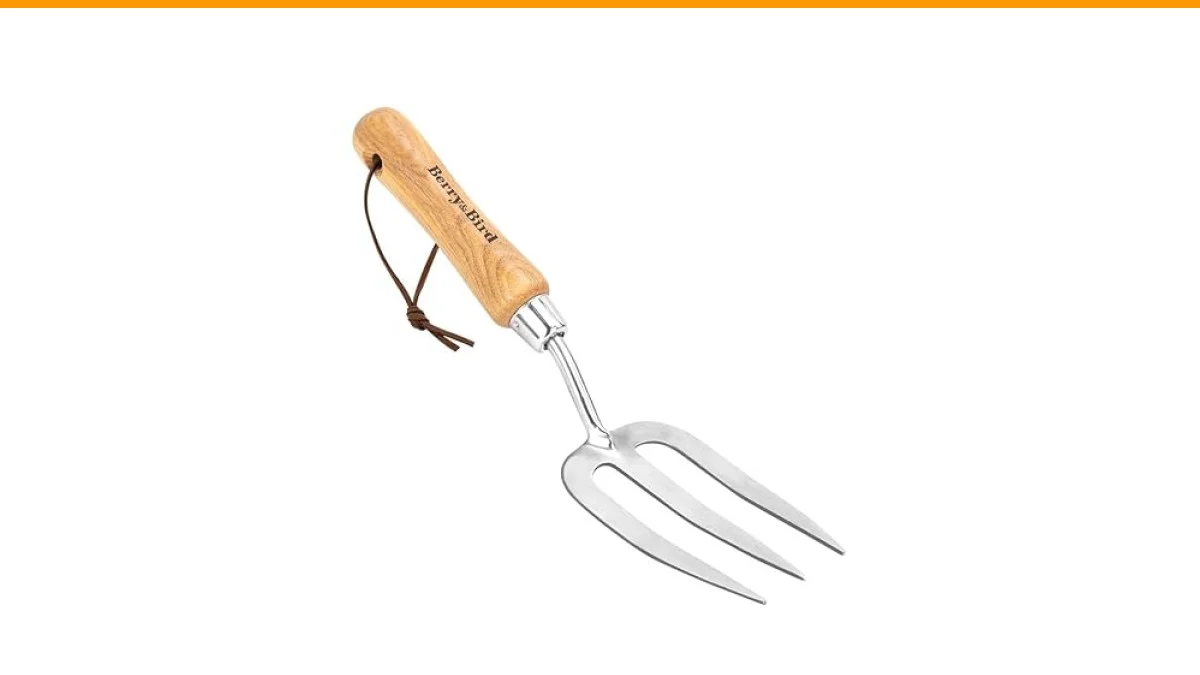
Berry&Bird Gardening Hand Fork

Berry&Bird
Berry&Bird Gardening Hand Fork, Stainless Steel Hand Weed Fork | Traditional Garden Hand Fork Tool with Ergonomic Ash Wood Handle, Garden Tool for Weeding, Digging, Planting and Cultivating
- WHAT YOU GET - 1 * Stainless Steel Hand Fork. Our garden forks are made by traditional manual process and can be used for more tha…
- ERGONOMIC DESIGN- Berry&Bird hand fork has good balance and comfortable proportion, which is very suitable for planting in small a…
- STRONG AND TOUGH - Ideal for aerated soil, it will not bend under the action of force when used for harder garden work. The sharp…
This is the fork for the gardener who still trusts wood and steel over plastic and rubber. It suits someone working raised beds, patio pots, and mixed borders where a full-size fork is overkill. The traditional manual build gives it a solid, weighty feel that many gardeners prefer over lighter stamped tools.
What stands out is the balance. The ash handle and stainless head sit in proportion, so the fork doesn’t tip forward when you set it down or fight your wrist when you push. The stainless tines shed wet soil rather than caking up, which matters when you’re working clay that clumps. Berry&Bird claims a ten-year-plus lifespan, and the FSC-certified ash is a genuine selling point for buyers who care where their wood comes from.
The trade-off is weight and care. This fork is heavier than aluminum alternatives, so it’s not the pick for someone with weak grip strength. The wooden handle also needs occasional oiling to stop it drying and cracking. And the tines are strong but not designed for prying out big rocks.
- Stainless steel head with FSC-certified ash handle
- Balanced weight for controlled one-hand work
- Soil releases cleanly from stainless tines
- 2-year warranty and 30-day replacement policy
- Needs periodic handle oiling to stay in shape
Best for: Traditionalists who want a durable wooden-handle fork for beds, borders and containers.
Haliaeetus Garden Hand Fork
Picture a gardener staring down a mature dandelion with a taproot the size of a carrot. That’s the person this fork was built for. The 12.3-inch length and three sharp tines give you real leverage to drive deep under a weed and lever the whole root system out. It’s also a strong pick for anyone dealing with compacted or rocky ground.
The thicker stainless steel is the headline here. Haliaeetus uses seamless welding at the head joint, which is where most forks snap. The tines punch through hard soil and shrug off the occasional rock or root without splaying. The wooden handle acts as a natural shock absorber, so repeated digging doesn’t send jolts up your forearm the way a rigid metal handle does.
One honest caveat: the sharp tines are aggressive. Working around shallow-rooted seedlings or delicate perennials takes a lighter touch, and you’ll want to keep the fork away from anything you don’t intend to disturb. The wooden handle also means the same oiling routine as any wood-handled tool.
- 12.3-inch length for deeper reach and leverage
- Three sharp stainless tines for root removal
- Seamless welded head joint resists breaking
- Wood handle absorbs shock during long sessions
- Lifetime warranty service
Best for: Gardeners fighting deep-rooted weeds in heavy, compacted or rocky soil.
Garden Guru Stainless Steel

Garden Guru Lawn & Garden Tools
Garden Guru Stainless Steel Hand Weeder Fork Tool – Rust Resistant Stainless Steel – Ergonomic Handle – Great for Planting, Spreading Mulch, Weeding, Loosening & Transplanting Soil
- A must-have hand tool for every gardener. This hand rake is perfect for weeding, loosening and transplanting soil, turning, and sp…
- Stainless steel tines are rust resistant and sturdy, allowing easy penetration of soil. Fork also has the maneuverability to work…
- Ergonomic grip for comfort and control makes weeding and transplanting a breeze. Grip is designed to alleviate pressure on the pal…
Anyone who has stopped mid-weeding because their palm hurts will understand this fork. The ergonomic grip is shaped to spread pressure across the palm and fingers instead of concentrating it on one spot. That makes it a sensible choice for older gardeners, people with mild arthritis, and anyone doing long transplanting sessions in the greenhouse.
Garden Guru built this around maneuverability. The stainless tines slide around small stems and young plants without tearing them up, which is rare in a category full of blunt, clumsy forks. Rust resistance is solid, so leaving it out in the rain once won’t ruin it. The large hang hole is a small detail, but it means the fork actually gets stored instead of lost in the shed.
The fork isn’t the heaviest-duty option here. It’s built for weeding, loosening and spreading mulch, not for prying rocks or breaking virgin ground. Treat it as a precision tool and it’ll last. Treat it as a crowbar and the tines will complain.
- Ergonomic grip designed to reduce hand and wrist fatigue
- Rust-resistant stainless steel tines
- Works around delicate stems and seedlings
- Large hang hole for easy storage
- Lifetime warranty plus 90-day satisfaction guarantee
Best for: Gardeners with hand or wrist discomfort who need a comfortable fork for weeding and transplanting.
Hand Rake Garden Tool, Heavy Duty

MECHEER
Hand Rake Garden Tool, Heavy Duty Hand Cultivators for Gardening Weed Rake | Small Garden Claw Tool, Ergonomic Handle, For Cultivating, Loosening, Weeding
- 3 Thick Claws Design: The hand cultivator garden tool is a practical gardening tool with 3 claws for loosening, cultivating, diggi…
- Thickened Aluminum Alloy Material: Our hand rake for gardening is made of high-quality aluminum alloy material, which allows the g…
- Ergonomic Design: The hand rake garden tool is designed with an ergonomic rubber grip handle that reduces hand and wrist fatigue w…
This is the value pick, and it suits the casual gardener who wants one tool to handle several jobs. The three curved claws dig, loosen, aerate and weed. If you keep a single tool by the back door for quick bed maintenance, this one earns its spot.
MECHEER uses aluminum alloy instead of steel, which keeps the fork light and rust-free. The 0.28-inch claw thickness gives it more rigidity than the price suggests, and the curved tine shape bites into hard turf without needing a running start. The TPR rubber grip is genuinely non-slip, even with sweaty hands, and the whole tool is light enough to toss in a garden bag and forget about.
Aluminum alloy has limits. It won’t bend like cheap stamped steel, but it also won’t take the same abuse as a forged stainless head. Push it into serious clay or lever against rocks and you’ll eventually stress the claws. Keep it for cultivating, aerating and light weeding and it’ll serve you well for years.
- Three thick curved claws for digging and aerating
- 0.28-inch aluminum alloy body resists breaking
- Non-slip TPR rubber grip reduces fatigue
- Lightweight and compact for garden bag storage
- Hanging hole for easy storage
Best for: Budget-conscious gardeners who want one lightweight, multi-purpose cultivating tool.
Berry&Bird Garden Hand Fork, Long Handle

Berry&Bird
Berry&Bird Garden Hand Fork, 22.6 In Long Handle Stainless Steel Weed Fork
- WHAT YOU GET - 1 * Long Handled Weed Fork. Our garden forks are made by traditional manual process and can be used for more than 1…
- WIDE APPLICATION - The traditional long handled stainless steel weed fork has a traditional style and weatherproof 12 inch handle…
- COMFORTABLE HANDLE - The 12 inch handle provides greater reach and leverage, making it easier to reach a corner of the garden. Str…
Some gardeners can’t or won’t kneel. Bad knees, a bad back, or simply a preference for staying upright — this fork solves that problem. The 22.6-inch length with a 12-inch handle lets you work borders, between established plants, and the back of a crowded bed without stepping on anything or crouching down.
The extra reach is the whole point. You get more leverage at distance, which makes it easier to weed a corner you can’t comfortably reach with a standard hand fork. The streamlined ash handle is shaped for grip and comfort, and the stainless head keeps the same rust resistance and soil-shedding behavior as the shorter Berry&Bird model. It’s built by the same traditional manual process with the same FSC-certified wood.
Long handles trade control for reach. Precision work around tiny seedlings is harder with a 22-inch tool than with a compact hand fork. The wooden handle needs the same oiling care. And if you mostly garden in containers on a table, this is more tool than you need.
- 22.6-inch total length with 12-inch handle
- Reaches borders without kneeling or stepping on beds
- Stainless steel head with FSC-certified ash handle
- Provides leverage for weeding at distance
- 2-year warranty and 30-day replacement policy
Best for: Gardeners with knee or back issues who want to weed borders while standing.
How We Chose These Products
We started with the failure points. A hand fork dies in one of three ways: the tines bend, the head separates from the handle, or the grip becomes unbearable after twenty minutes. Every fork on this list was assessed against those three risks using the manufacturer’s stated materials, joint construction and handle design.
We also matched each fork to a soil type and a task. Clay and rocky ground demand thicker steel and a stronger joint. Loam and potting mix reward precision and light weight. Weeding deep taproots needs length and leverage. Aerating and cultivating need curved tines that bite. No single fork wins every category, so the picks are organized around who they serve rather than a single ranking.
Buying Guide: What Really Matters
Stainless steel tines resist rust and release wet soil cleanly, which keeps the fork light in your hand. Carbon steel holds an edge better and is often stronger, but it rusts fast without regular oiling. For most home gardeners, stainless is the lower-maintenance choice. You can read more about how different fork materials perform in Bob Vila’s tested garden fork roundup.
The head joint matters more than the metal. A forged head is one piece of steel shaped under heat, so there’s no weld to fail. A welded joint is cheaper and perfectly fine if the weld is clean and seamless, like the Haliaeetus. A spot-welded joint on a budget fork is where bending starts. If you garden in heavy clay, pay for the forged or seamless-welded head.
Tine count and spacing decide what you can actually do. Three tines with wide spacing push through clumpy soil and lever out big roots. Four or more closely spaced tines hold soil better for lifting and transplanting, but they clog in wet clay. Narrow spacing suits small weeds and precise work around seedlings. Wide spacing suits aeration and deep digging. Match the fork to the job, not to the photo.
Handle material affects comfort more than most buyers expect. Wood absorbs shock and warms to your hand, but it dries and cracks without oiling. Rubber and TPR grips cushion pressure points, which helps arthritic hands, but they can get slippery when muddy. Fiberglass sits in the middle: light, strong, weatherproof, but it transmits more vibration than wood. The shape of the grip matters as much as the material — a streamlined handle that follows your hand’s natural curve beats a fat cylinder every time.
Fork Type by Task: Weeding, Aerating, Transplanting
For weeding deep taproots like dandelion and dock, choose a long-handled fork with three sharp tines and a strong joint. The Haliaeetus and the long-handle Berry&Bird both give you the reach and leverage to get under the root and lift it whole. Short forks force you to dig twice as deep for the same result.
For aerating and breaking up compacted soil, curved tines with wide spacing work best. The MECHEER cultivator is built for this job, and the shorter Berry&Bird fork handles small-area aeration in pots and beds. Push straight down, twist, and lift. Straight tines resist this motion; curved tines reward it.
For transplanting seedlings, you want precision over power. A fork with closely spaced tines and a comfortable grip lets you lift a root ball intact. The Garden Guru fork is the best fit here because the tines work around delicate stems without slicing through them. Keep the fork vertical and lever gently rather than digging in circles.
Maintenance and Rust Prevention
Wipe the tines dry after every use, especially if you garden in clay. Moisture plus clay minerals is what starts surface rust, even on stainless. A quick wipe with an oily rag once a month keeps carbon steel and stainless both in good shape.
Wood handles need annual oiling with linseed or tung oil. This stops the grain from drying, cracking and loosening around the tang. If the handle already feels rough, sand it lightly before oiling. Store the fork hanging by its hole rather than leaning on the tines, which can bend them over time.
Sharpening is optional but useful. A few passes with a file along the inner edge of each tine restores the bite on a fork that’s started to slide off roots. Don’t sharpen the outer edge — that weakens the tine. For a broader look at how hand forks compare across brands, this professional gardener roundup covers several models worth knowing.
Frequently Asked Questions
Do I need a forged head or is welded fine? A welded head is fine if the weld is seamless and the fork is used for normal weeding and loosening. Forged heads win in heavy clay and rocky ground, where the joint takes constant stress. If you garden in raised beds with soft soil, a good welded fork will outlast the bed.
How many tines should a hand fork have? Three tines with wide spacing are best for digging, aerating and levering out roots. Four or more closely spaced tines hold soil better for lifting and transplanting, but they clog in wet clay. Match tine count to your soil and task, not to the number on the package.
Will a wooden handle really last ten years? It can, with annual oiling and dry storage. Wood handles fail from neglect, not from normal use. If you leave the fork outside in the rain, the grain swells, cracks and loosens around the tang within a season or two.
Is a long-handle fork better for arthritis? Not automatically. Long handles help if you can’t kneel, but they reduce precision and add weight. For arthritic hands, grip shape and cushioning matter more than handle length. A short fork with an ergonomic grip like the Garden Guru often beats a long wooden handle for comfort.
Our Top Recommendation
The Berry&Bird Gardening Hand Fork takes the top spot for most gardeners. It balances a stainless steel head, a balanced ash handle and a build quality that should outlast several cheap forks. It handles pots, beds and borders without complaint, and the FSC-certified wood is a real bonus for buyers who care about sourcing.
If your soil is heavy clay or full of rocks, the Haliaeetus fork is the stronger choice. Its thicker steel and seamless welded joint handle the abuse that bends lesser forks. For anyone with hand pain, the Garden Guru fork is the most comfortable option on this list, and its precision around seedlings is a genuine advantage.
Budget buyers should look at the MECHEER cultivator. It won’t survive a decade of clay digging, but it handles light weeding and aeration at a price that makes it easy to replace. And if kneeling is off the table, the long-handle Berry&Bird fork solves that problem without sacrificing build quality.