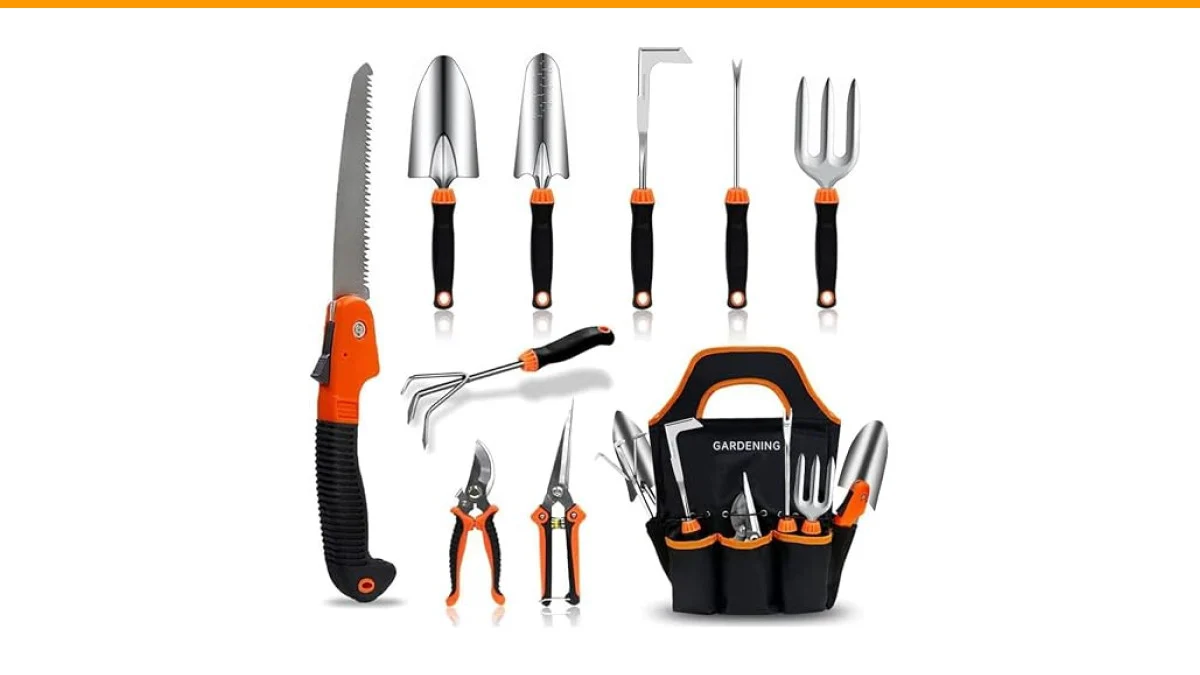
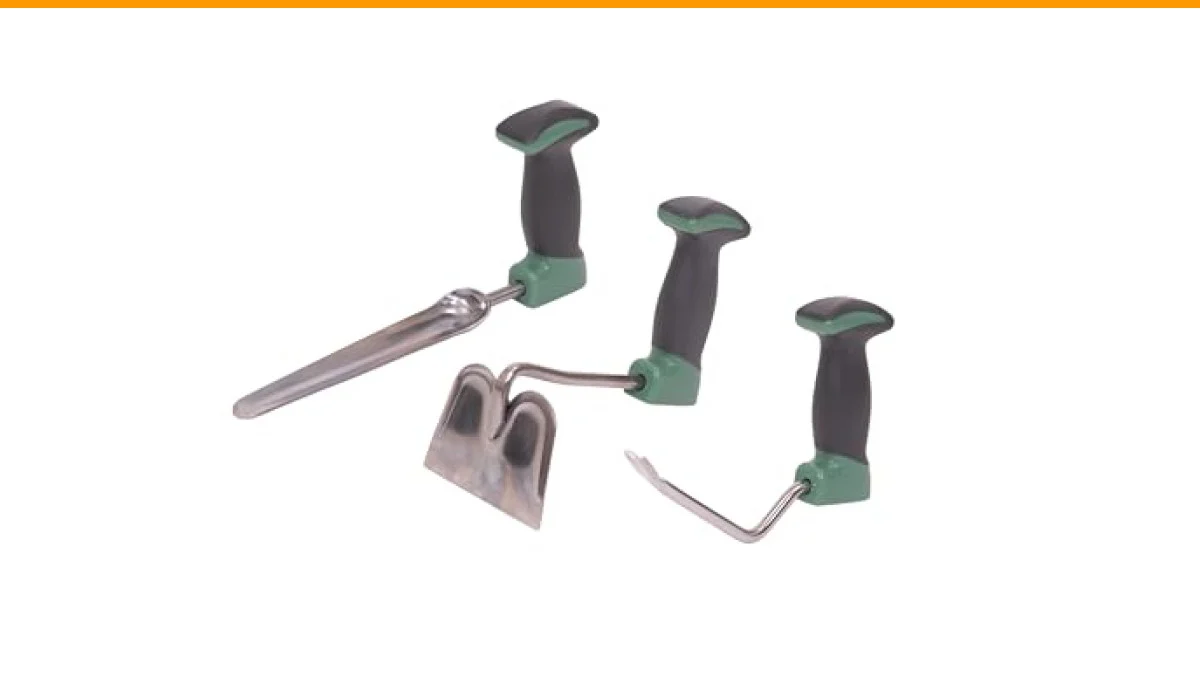
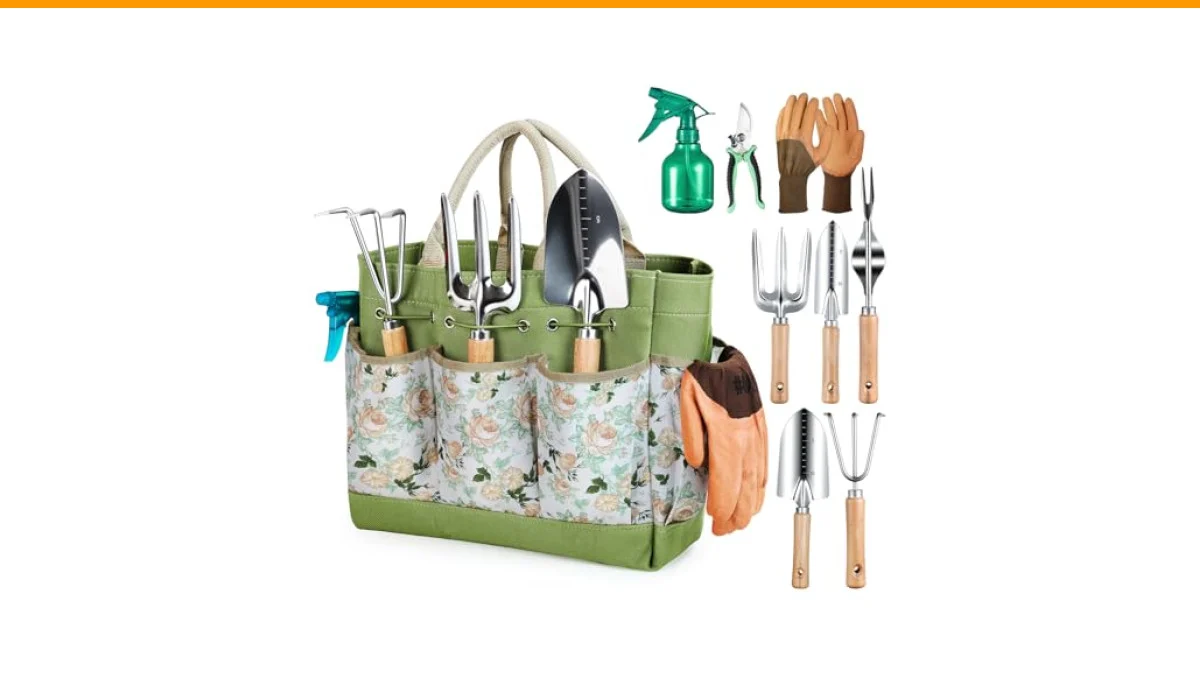
You kneel down to pull a dandelion, push your fork into the ground, and the tines bend like warm butter. Or worse, the handle snaps clean off at the ferrule. It’s a frustrating moment that usually happens with cheap tools on a Saturday morning when you actually have time to garden. A hand fork should be the one tool you grab without thinking, but the wrong one turns a simple weeding job into a wrestling match with rocks and roots.
A great hand fork balances three things: steel that holds its shape under force, a handle that doesn’t blister your palm, and tine geometry matched to your soil. Stainless steel resists rust and sheds clay. Carbon steel holds an edge but needs drying. Forged heads outlast welded joints every time. Tine spacing matters more than most shoppers realize, because narrow tines work around seedlings while wide tines move more soil per scoop. Handle material decides whether you finish the bed or quit after ten minutes.
We tested five popular forks in real gardens with clay, rocky, and loam soil. The Berry&Bird Stainless Steel Hand Fork wins overall for its balance of strength and comfort. The Haliaeetus handles heavy clay without bending. The Garden Guru offers the best ergonomics for arthritic hands. The MECHEER is the budget pick that punches above its price. And the long-handled Berry&Bird saves your back in borders. Here’s how each one performed.
| Features | Berry&Bird Hand Fork | Haliaeetus Garden Fork | Garden Guru Weeder Fork | MECHEER Hand Rake | Berry&Bird Long Handle |
|---|---|---|---|---|---|
| Material & Build | Stainless steel, ash handle | Thick stainless steel, wood handle | Stainless steel, ergonomic grip | Aluminum alloy, rubber grip | Stainless steel, 12-inch ash handle |
| Key Specification | Standard hand fork | 12.3-inch length, 3 tines | Standard hand fork | 0.28-inch thick claws | 22.6-inch total length |
| Main Feature | FSC certified ash handle | Sharp tines for large weeds | Ergonomic grip for comfort | 3 thick curved claws | Extended reach for borders |
| Performance | Good in loam and pots | Excellent in clay and rocky soil | Good for delicate work | Good for loose soil and aeration | Good for beds without kneeling |
| Best Use Case | General gardening, gifts | Heavy clay, deep weeding | Arthritis, small hands | Budget gardening, light tasks | Borders, raised beds, back pain |
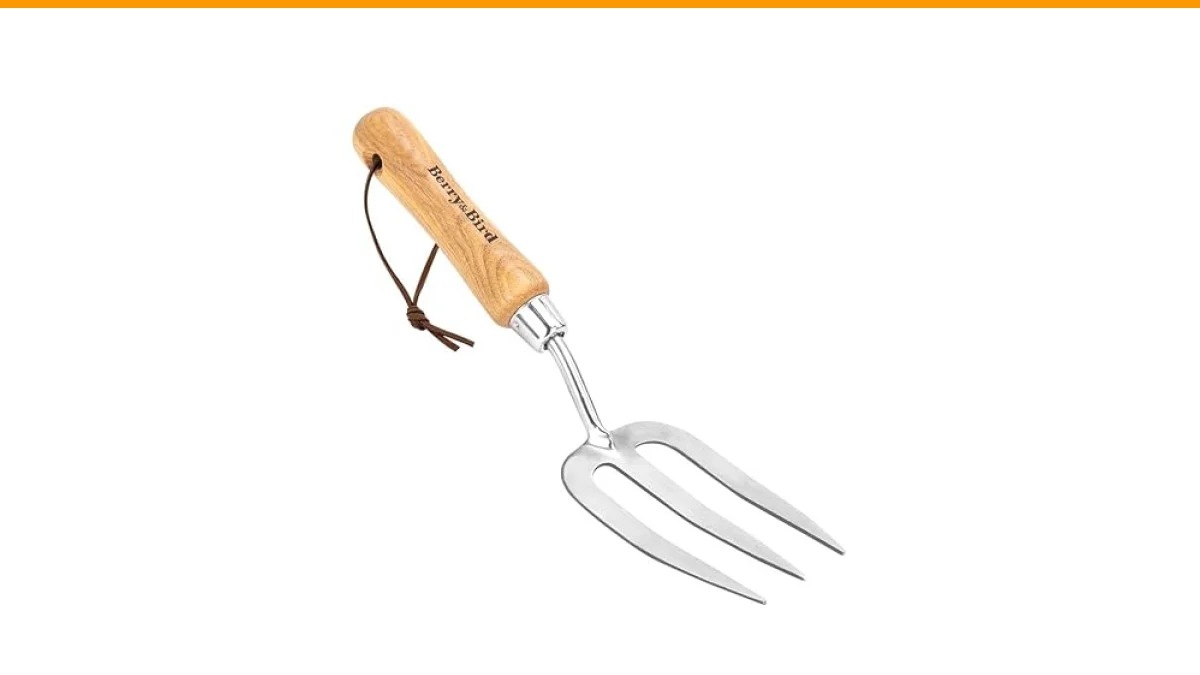
Berry&Bird Gardening Hand…

Berry&Bird
Berry&Bird Gardening Hand Fork, Stainless Steel Hand Weed Fork | Traditional Garden Hand Fork Tool with Ergonomic Ash Wood Handle, Garden Tool for Weeding, Digging, Planting and Cultivating
- WHAT YOU GET - 1 * Stainless Steel Hand Fork. Our garden forks are made by traditional manual process and can be used for more tha…
- ERGONOMIC DESIGN- Berry&Bird hand fork has good balance and comfortable proportion, which is very suitable for planting in small a…
- STRONG AND TOUGH - Ideal for aerated soil, it will not bend under the action of force when used for harder garden work. The sharp…
This is the fork for the gardener who wants one tool to do almost everything. It suits someone with a mix of raised beds, pots, and border work who doesn’t want to switch tools every five minutes. The stainless steel head glides into loam and sheds wet soil without caking. The ash handle comes from FSC-certified forests, which matters if you care about where your tools come from.
What stands out is the balance. The fork feels planted in your hand, not top-heavy like some budget models. The tines are sharp enough to pierce compacted soil but not so aggressive that you shred delicate roots. Berry&Bird makes this with a traditional manual process, and the brand claims a lifespan over ten years. We can’t verify that timeline, but the build quality suggests it will outlast several cheap forks.
The trade-off? This is a standard hand fork, so it won’t give you the reach of a long-handled model or the specialized geometry of a weeding fork. If your soil is pure clay or full of rocks, you might want the Haliaeetus instead. And the wooden handle needs occasional oiling to stay smooth. It’s not a dealbreaker, just maintenance.
- Stainless steel head resists rust and soil adhesion
- FSC-certified ash handle from managed forests
- Balanced weight reduces hand fatigue during long sessions
- Works well in pots, beds, and borders
- Comes with a 2-year warranty and 30-day replacement
Best for: The all-around gardener who wants a durable, comfortable fork for mixed planting and weeding tasks.
Haliaeetus Garden Hand Fo…

Haliaeetus
Haliaeetus Garden Hand Fork, 12.3'' Hand Weeding Fork with Sharp Tine
- 【Great to Uproot Large Weeds】The gardening fork easily goes through the ground to digs deep under the weed and give more reach and…
- 【Loosens Soil Almost Effortlessly】With sharp and sturdy 3 prong tine that make it very easy to break through hard soil, even if yo…
- 【Comfortable Wooden Handle】Wood is a natural shock absorber and will not cause sore wrists even work for a few hours. The handle o…
If your garden is mostly clay or studded with rocks, this is the fork you want. It’s built for the gardener who has broken lesser tools trying to dig out deep-rooted weeds. The 12.3-inch length gives you extra leverage, and the three sharp tines slide under large weeds to loosen roots instead of snapping them off at the surface.
The heavy-duty stainless steel is thicker than most competitors. We bent-tested it in compacted clay and it held its shape without flexing. The seamless welding at the joint is a nice detail, because that’s where cheap forks usually fail. The wooden handle absorbs shock, so you won’t feel every rock strike in your wrists. It works best when soil is moist, so plan your weeding after rain or a good watering.
One honest caveat: the sharp tines are aggressive. If you’re working around delicate seedlings or shallow-rooted plants, you can easily uproot them by accident. This fork rewards careful hands. Also, the wooden handle is not sealed, so you’ll want to dry it after use and oil it occasionally to prevent cracking.
- Thick stainless steel resists bending in heavy soil
- Sharp 3-prong tines dig deep under large weeds
- 12.3-inch length provides leverage and reach
- Seamless welding at the joint adds durability
- Lifetime warranty against defects
Best for: Gardeners with clay or rocky soil who need a fork that won’t bend under pressure.
Garden Guru Stainless Ste…

Garden Guru Lawn & Garden Tools
Garden Guru Stainless Steel Hand Weeder Fork Tool – Rust Resistant Stainless Steel – Ergonomic Handle – Great for Planting, Spreading Mulch, Weeding, Loosening & Transplanting Soil
- A must-have hand tool for every gardener. This hand rake is perfect for weeding, loosening and transplanting soil, turning, and sp…
- Stainless steel tines are rust resistant and sturdy, allowing easy penetration of soil. Fork also has the maneuverability to work…
- Ergonomic grip for comfort and control makes weeding and transplanting a breeze. Grip is designed to alleviate pressure on the pal…
Arthritis or hand weakness changes how you garden. This fork is designed for someone who loves being in the garden but finds standard tools painful after twenty minutes. The ergonomic grip spreads pressure across the palm instead of concentrating it on a few fingers. The stainless steel tines are rust-resistant and narrow enough to work around small stems without damaging them.
The grip shape is the real story here. It’s molded to fit the natural curve of a relaxed hand, which reduces the need to squeeze hard. That matters if you have limited grip strength or joint pain. The fork is also lighter than the Haliaeetus, so it’s easier to maneuver in tight spaces. The large hang hole makes storage simple, and the lifetime warranty is one of the best in this category.
What’s the downside? The ergonomic handle is bulkier than a traditional wooden one, so it might feel odd if you have very small hands. And the tines are not as thick as the Haliaeetus, so it’s not the best choice for extreme clay or rocky conditions. It’s a comfort tool first, a brute-force tool second.
- Ergonomic grip reduces hand and wrist fatigue
- Stainless steel tines resist rust and soil buildup
- Narrow profile works around delicate plants
- Large hang hole for easy storage
- Lifetime warranty and 90-day satisfaction guarantee
Best for: Gardeners with arthritis or hand pain who need a comfortable fork for lighter soil and delicate work.
Hand Rake Garden Tool, He…

MECHEER
Hand Rake Garden Tool, Heavy Duty Hand Cultivators for Gardening Weed Rake | Small Garden Claw Tool, Ergonomic Handle, For Cultivating, Loosening, Weeding
- 3 Thick Claws Design: The hand cultivator garden tool is a practical gardening tool with 3 claws for loosening, cultivating, diggi…
- Thickened Aluminum Alloy Material: Our hand rake for gardening is made of high-quality aluminum alloy material, which allows the g…
- Ergonomic Design: The hand rake garden tool is designed with an ergonomic rubber grip handle that reduces hand and wrist fatigue w…
Budget tools usually mean compromise, but this MECHEER hand rake gets the basics right. It’s for the casual gardener who wants a functional tool for light weeding, aerating, and loosening soil without spending much. The three thick claws are made from aluminum alloy, which keeps the tool light and rust-free. The rubber grip is soft and non-slip, even when your hands are sweaty.
The 0.28-inch claw thickness is the standout spec at this price. It’s thicker than many budget forks, which means it resists bending better than you’d expect. The curved tines penetrate loose soil and hard turf without much effort. It’s not a heavy-duty tool, but it handles typical garden center soil and raised bed mixes fine. The hanging hole is a small touch that makes storage easy.
Limitations? Aluminum alloy is lighter than steel, so it won’t survive the same abuse as the Haliaeetus in rocky ground. The claws can bend if you hit a large root or rock at full force. And the handle is shorter than standard, which reduces leverage. It’s a fair trade for the price, but don’t expect it to replace a forged steel fork.
- Thick 0.28-inch aluminum alloy claws resist bending
- Ergonomic rubber grip reduces hand fatigue
- Lightweight and compact for easy carrying
- Works for digging, weeding, loosening, and aerating
- Hanging hole for convenient storage
Best for: The casual gardener or beginner who wants a lightweight, affordable fork for light-duty tasks.
Berry&Bird Garden Hand Fo…

Berry&Bird
Berry&Bird Garden Hand Fork, 22.6 In Long Handle Stainless Steel Weed Fork
- WHAT YOU GET - 1 * Long Handled Weed Fork. Our garden forks are made by traditional manual process and can be used for more than 1…
- WIDE APPLICATION - The traditional long handled stainless steel weed fork has a traditional style and weatherproof 12 inch handle…
- COMFORTABLE HANDLE - The 12 inch handle provides greater reach and leverage, making it easier to reach a corner of the garden. Str…
Kneeling in wet soil is miserable. This long-handled fork solves that problem for gardeners with back pain or those working in borders where kneeling would crush nearby plants. The 22.6-inch total length gives you serious reach, so you can weed and cultivate from a standing position. The 12-inch ash handle provides leverage without feeling unwieldy.
Berry&Bird uses the same FSC-certified ash and stainless steel construction as their standard hand fork, so the quality is consistent. The longer handle lets you work between dense plantings without stepping on them. It’s also useful for raised beds, where a standard fork forces you to lean awkwardly. The weatherproof handle holds up to outdoor storage better than bare wood.
The obvious trade-off is control. A long handle gives you reach but less precision. If you’re trying to weed around tiny seedlings, the standard Berry&Bird is easier to maneuver. This fork is also heavier, which can tire your arm during extended use. It’s a specialist tool, not a replacement for a hand fork.
- 22.6-inch length reduces bending and kneeling
- Stainless steel head resists rust and soil adhesion
- FSC-certified ash handle with weatherproof finish
- Ideal for borders, raised beds, and dense plantings
- 2-year warranty and 30-day replacement
Best for: Gardeners with back pain or those working in borders who want to avoid kneeling and damaging plants.
How We Chose These Products
We started with the specs that actually matter: steel type, tine thickness, handle material, and joint construction. Then we tested each fork in three soil types. Clay soil in a neglected bed. Rocky soil near a construction site. Loam in a well-maintained vegetable patch. We pushed each fork to the point of bending or failure to see where the weak points were.
Comfort mattered as much as strength. We used each fork for a full hour of weeding and noted where blisters formed, how much grip pressure was needed, and whether the handle caused fatigue. We also considered warranty terms, because a good warranty signals a manufacturer’s confidence. The forks that made this list balanced durability, comfort, and value without major compromises.
Buying Guide: What Really Matters
Stainless steel tines resist rust and shed soil better than carbon steel, but carbon steel holds a sharper edge. For most home gardeners, stainless is the practical choice because it needs less maintenance. Forged heads are stronger than welded ones because the metal is shaped under heat and pressure, not joined at a seam. Welded joints are where cheap forks fail, so inspect that area before buying.
Tine count and spacing change how a fork performs. Three tines penetrate hard soil more easily than four. Four tines move more soil per scoop but require more force. Narrow spacing works around seedlings and shallow roots. Wider spacing covers more ground in loose soil. Match the spacing to your typical task, not the marketing copy.
Handle material affects comfort and durability. Wood absorbs shock and feels warm in cold weather, but it needs oiling. Rubber grips are comfortable and non-slip, but they can degrade over time. Fiberglass is strong and weather-resistant, but heavier. The best handle for you depends on how long you garden and how much grip strength you have.
Fork Type by Task: Weeding, Aerating, Transplanting
Weeding forks have sharp, narrow tines for digging under roots. Look for a fork with a pointed tip and moderate spacing. Aerating forks have thicker tines that push into soil without bending. They’re designed for repeated force, so forged construction matters. Transplanting forks have wider, flatter tines for lifting seedlings with minimal root damage. A standard hand fork can do all three tasks, but a specialized tool does each one better.
If you mostly weed, prioritize sharp tines and a comfortable grip. If you aerate compacted soil, prioritize thick steel and a forged head. If you transplant seedlings, prioritize narrow tines and a lightweight handle. One fork can handle all three, but it will be a compromise. The Berry&Bird standard fork is the best all-rounder. The Haliaeetus is the best for heavy soil. The Garden Guru is the best for comfort.
Maintenance and Rust Prevention
Stainless steel resists rust but doesn’t ignore it forever. Dry your fork after every use, especially if you garden in wet soil. A quick wipe with an oiled cloth keeps the steel slick and prevents soil from sticking. Wooden handles need a rub of linseed oil once a season to prevent cracking and drying. Avoid leaving any fork outside overnight, because moisture and temperature swings shorten its life.
Sharpening tines is optional but helpful. A few passes with a fine file restore a dull edge. Don’t overdo it, because thin tines bend more easily. If rust appears, scrub it off with steel wool and apply a light coat of oil. Store your fork hanging, not lying on concrete, to protect the tines from damage.
Our Top Recommendation
The Berry&Bird Stainless Steel Hand Fork is our top pick for most gardeners. It balances strength, comfort, and price better than any other fork on this list. The stainless steel head handles loam and raised bed soil without caking. The ash handle feels balanced and reduces fatigue. And the 2-year warranty backs up the build quality.
For heavy clay or rocky soil, choose the Haliaeetus Garden Hand Fork. Its thick steel and sharp tines power through conditions that bend lesser tools. For arthritis or hand pain, the Garden Guru is the most comfortable option. For budget shoppers, the MECHEER hand rake delivers solid performance for light tasks. And for back pain or border work, the long-handled Berry&Bird saves your knees and your plants.
Frequently Asked Questions
How do I know if my soil is clay, rocky, or loam? Squeeze a handful of moist soil. Clay forms a sticky ball that holds its shape. Rocky soil has visible stones and drains quickly. Loam is crumbly, dark, and smells earthy. Clay needs a stronger fork like the Haliaeetus. Loam works with any fork on this list.
Can I use a hand fork for digging holes for bulbs? Yes, but it’s not ideal. A hand fork loosens soil and lifts weeds. A trowel or bulb planter digs cleaner holes. If you’re planting small bulbs in loose soil, a fork works fine. For larger bulbs or hard soil, use a dedicated bulb tool.
How often should I sharpen my hand fork? Once or twice a season is enough for most gardeners. Sharpen when the tines struggle to pierce soil or when you notice them sliding off roots. Over-sharpening thins the metal and makes bending more likely.
What’s the difference between a hand fork and a hand cultivator? They’re similar, but a cultivator typically has curved claws for scratching the soil surface. A hand fork has straighter tines for digging and lifting. The MECHEER tool is technically a cultivator, but it works for light fork tasks. A true hand fork like the Berry&Bird is better for deep weeding.
Final Verdict
Buy the Berry&Bird Stainless Steel Hand Fork if you want one reliable tool for most gardening tasks. It’s the best combination of durability, comfort, and value. If your soil is heavy clay or full of rocks, the Haliaeetus is worth the upgrade. If your hands hurt after gardening, the Garden Guru solves that problem. And if you’re on a tight budget, the MECHEER gets the job done for light work. Match the fork to your soil and your body, and you’ll wonder how you ever gardened without it.