How to Use a Garden Fork Properly
Contents
Introduction
Imagine standing in your garden, the sun warming your back, as you prepare to break up compacted soil or aerate a flower bed. The right tools can make this task not only easier but also more enjoyable. Among gardening tools, a garden fork often stands out as a versatile companion, perfect for various tasks from tilling to mixing compost. However, knowing how to use a garden fork properly can significantly improve your gardening experience and results.
This article will provide you with in-depth insights into using a garden fork effectively, including various techniques and best practices. You’ll learn not just the “how” but also the “why” behind each method, ensuring you leave with the knowledge to enhance your gardening efforts.

PowerPath
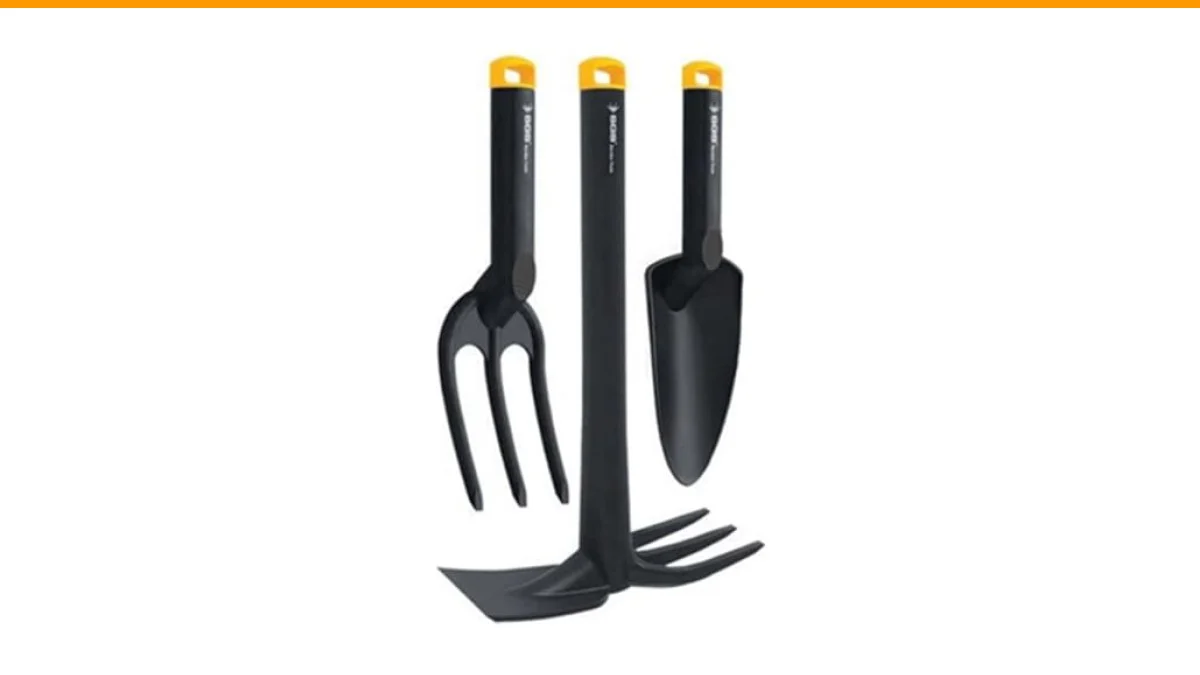
PowerPath 3 Piece Garden Hand Tool Set, Trowel, Fork and Cultivator
- High-Grade Stainless Steel Construction – Rust-resistant durable blades for long-lasting performance in all soil conditions.
- Ergonomic Non-Slip Handles – Soft-grip handles provide comfort, reduce hand fatigue, and ensure precise control.
- Complete 3-Piece Set – Includes a trowel, hand fork, and cultivator — ideal for planting, digging, weeding, and aerating.
If you’re considering investing in quality tools, consider the PowerPath 3 Piece Garden Hand Tool Set. This set includes a hand fork, trowel, and cultivator, all made from high-grade stainless steel. With ergonomic handles designed for comfort, it’s a solid choice for anyone looking to improve their gardening toolkit.
Understanding the Garden Fork
A garden fork, also known as a digging fork or spading fork, is a tool with several tines (usually four) that help break up soil, aerate lawns, and mix organic matter. Here are some points to consider:
- Tine Design: Tines can be straight or curved. Straight tines are better for breaking tough soil, while curved tines help lift and turn material.
- Handle Length: Longer handles provide better leverage but can be harder for precise work in small spaces.
- Material: Stainless steel forks resist rust and can handle heavy soil types without bending.
Techniques for Using a Garden Fork
Mastering the garden fork involves understanding various techniques. Here are some effective methods:
1. Aerating Soil
Aerating is essential for healthy plant growth. To aerate soil:
- Insert the fork into the soil, pushing down until the tines penetrate at least 6 inches deep.
- Rock the fork back and forth to break up compacted soil.
- Remove the fork and repeat every 6-8 inches across the area.
This method improves air circulation and allows water and nutrients to reach plant roots more effectively.
2. Turning Compost
For those who compost, using a garden fork is crucial for mixing. Here’s how:
- Insert the fork into the compost pile, ensuring it reaches the center.
- Lift and turn the compost, allowing fresh materials to mix with decomposed matter.
- Repeat this process every few weeks to maintain aeration and speed up decomposition.
3. Breaking Up Soil Clumps
When preparing a garden bed, breaking up clumps of soil improves seed germination. To do this:
- Push the fork into the soil at an angle.
- Lift and twist the fork to break apart clumps.
- Work your way through the entire area, ensuring the soil is loose.
Choosing the Right Garden Fork
Not all garden forks are created equal. Below is a comparison table to help you choose the right one based on specific tasks:
| Type of Fork | Best For | Key Features |
|---|---|---|
| Standard Garden Fork | General gardening tasks | 4 straight tines, sturdy handle |
| Weeding Fork | Removing weeds | Shorter tines, pointed for precision |
| Digging Fork | Breaking up compact soil | Long, strong tines designed for deep penetration |
| Hand Fork | Small garden areas | Compact size, ideal for container gardening |
Frequently Asked Questions
How deep should I use a garden fork?
For aeration, aim for at least 6 inches deep. If breaking up soil, ensure the tines penetrate as deep as possible to improve root access.
Can I use a garden fork for weeding?
Yes, a garden fork can be effective for weeding, especially in compacted soil. Use it to lift weeds from the roots without disturbing surrounding plants.
What’s the best way to clean my garden fork?
After use, rinse your garden fork with water to remove soil. Use a brush for stubborn debris. Dry it thoroughly to prevent rust.
When should I replace my garden fork?
If the tines are bent or broken, or if the handle is splintered and uncomfortable, it’s time to consider a replacement.
Are there ergonomic options available?
Yes, many modern garden forks, like those in the PowerPath set, feature ergonomic handles designed to reduce strain on your hands and wrists.
Final Thoughts on Using a Garden Fork
- Choose the right fork based on your gardening needs.
- Maintain proper technique for effective results.
- Clean your fork after each use to prolong its lifespan.
- Consider ergonomic options to minimize discomfort.
- Regularly aerate your soil for optimal plant health.
- Utilize your garden fork for various tasks beyond just digging.
- Invest in quality tools like the PowerPath set for lasting performance.