You want to compost, but the HOA board seems to have a rule against everything that makes a yard look lived-in. The CC&Rs mention ‘unsightly nuisances,’ and you are pretty sure a pile of rotting scraps would qualify. You are stuck between your environmental goals and the fear of a violation notice taped to your front door.

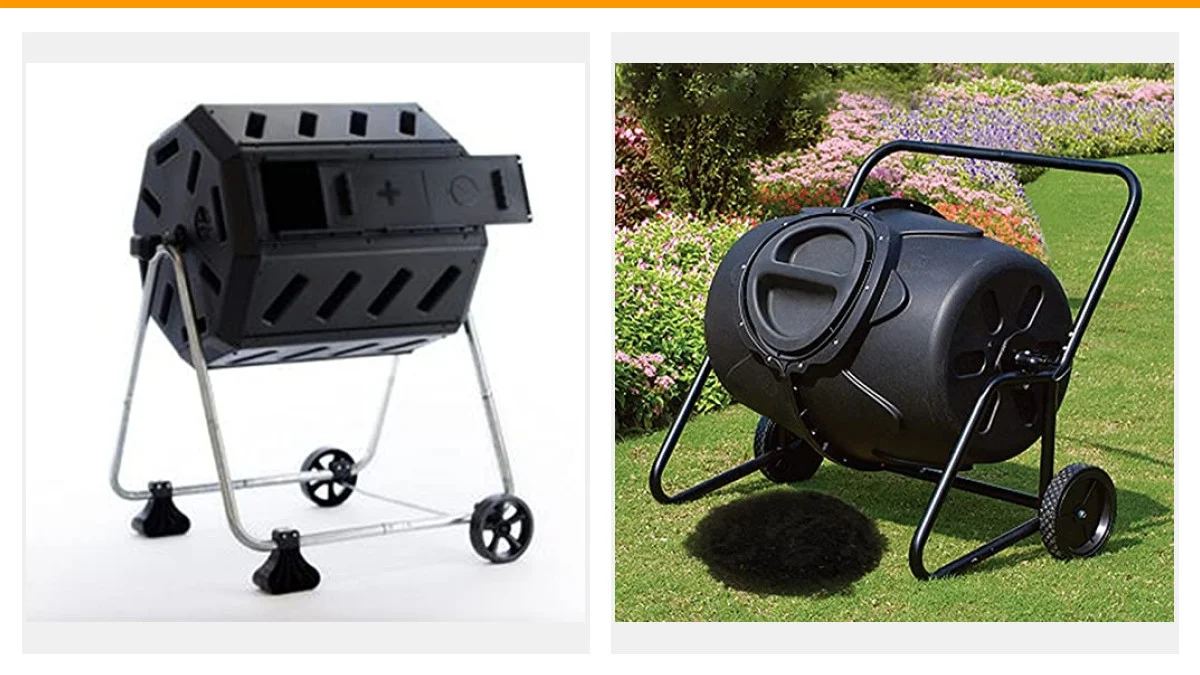
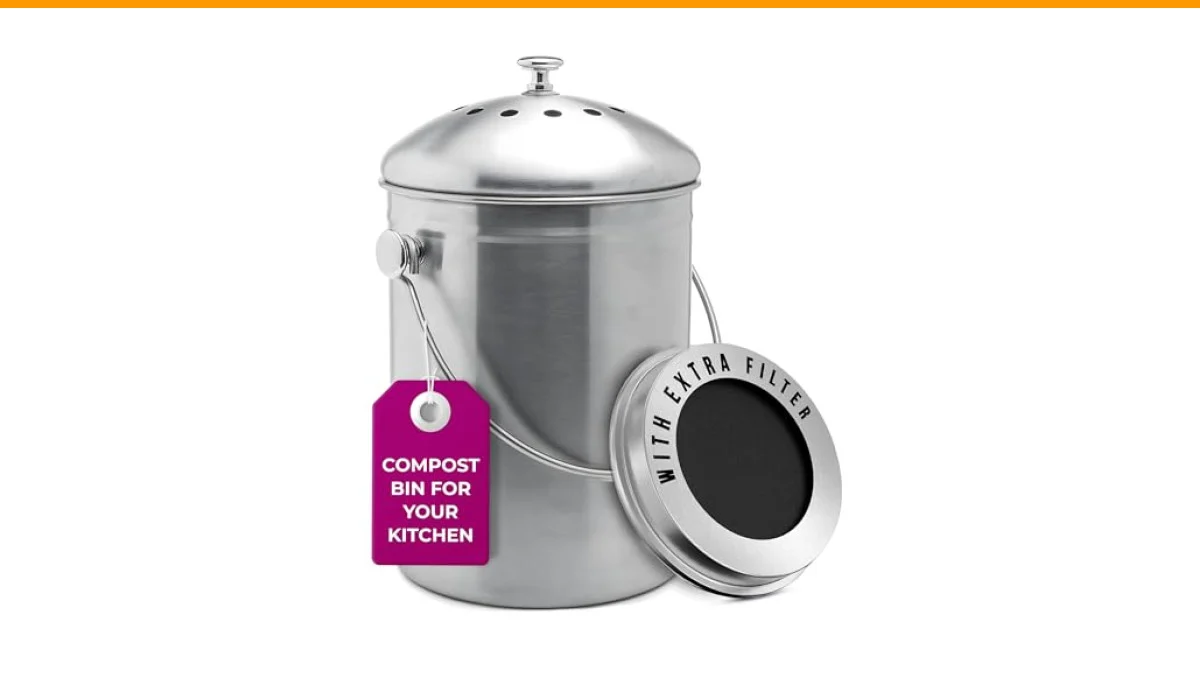
The good news is that most HOA conflicts are about visibility and odor, not the act of composting itself. A sealed countertop bin hides the scraps until you are ready to transfer them. An enclosed tumbling composter looks like a piece of yard art compared to an open heap. The trick is choosing a system that addresses the board’s concerns before they even raise them.
This guide covers five of the best compost bins for HOA living, ranked by their ability to fly under the radar. You will also find a step-by-step approval packet, language to propose for a rule change, and strategies for appealing a denial. It is a legal and diplomatic playbook, not just a product list.
Here is how the top five options stack up against each other on the features that matter most when your neighbors are watching.
| Features | Epica Countertop | VIVOSUN Tumbler | Utopia Kitchen Bin | IVWOXO Sealed Bin | KIBAGA Countertop |
|---|---|---|---|---|---|
| Material | Stainless Steel | PP Plastic & Metal Frame | Stainless Steel | Dishwasher-Safe Plastic | Powder-Coated Carbon Steel |
| Capacity | 1.3 Gallons | 43 Gallons (Dual 21.5) | 1.3 Gallons | 0.7 Gallons | 1.1 Gallons |
| HOA Visibility | Hidden Indoors | Visible, But Tidy | Hidden Indoors | Hidden Indoors | Hidden Indoors |
| Odor Control | Charcoal Filter | Air Vents | Charcoal Filters | Airtight Lid | Charcoal Filter Compartment |
| Best Use Case | Kitchen Scrap Collection | Backyard Composting | Budget Kitchen Storage | Zero-Odor Indoor Storage | Style-Conscious Kitchens |
Epica Kitchen Compost Bin

Epica
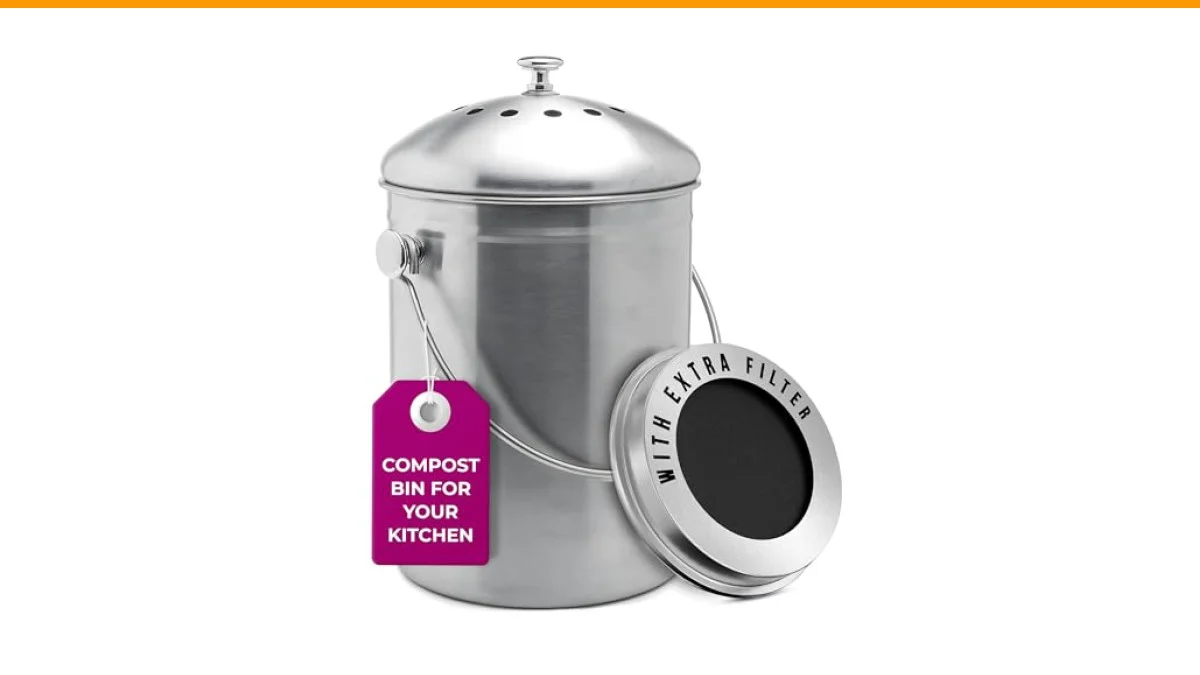
Epica Kitchen Compost Bin for Kitchen Countertops, 1.3 Galllon - Silver | Stainless Steel, Rust- Resistant, Airtight Leak-Resistant Lid, Replaceable Activated Charcoal Filter for Odorless Composting
- FEATURED IN BON APPETIT & FORBES: Recognized by renowned magazines, EPICA’s compost bin is a perfectly sized marvel for your kitch…
- CONTROL KITCHEN ODORS NATURALLY: This indoor compost bin with a charcoal filter features an airtight lid and a replaceable activat…
- EASY TO CLEAN & RESISTANT TO LEAKS: This countertop bin features a one-piece molded design that resists rust and leaks. The contai…
This is the bin for the resident who wants composting to be a two-step process: toss scraps in the kitchen, then deal with them outside later. The Epica is a 1.3-gallon stainless steel cylinder that sits on your countertop without screaming for attention. It is best for people who cook often, generate daily organic waste, and need a sealed holding tank that does not require a trip outside after every meal.
The design is genuinely thoughtful. A one-piece molded interior means there are no seams for liquids to seep into, which addresses the leak problem that plagues cheaper bins. The charcoal filter sits in the lid, and the company says it lasts three to six months with proper care. You rinse it gently and let it air dry to extend its life; saturating it under a running faucet kills its effectiveness. Bon Appetit and Forbes have both featured this model, which speaks to its reputation in serious kitchens.
The trade-off is the size. At 1.3 gallons, you will empty it every couple of days if you cook a lot of produce. It is also hand-wash only; putting stainless steel in the dishwasher can warp the finish. The filter replacement cost adds up over a year, though you can extend the life by following the rinsing instructions exactly.
- Dimensions: 7.16 inches in diameter, 11 inches high
- Airtight lid with replaceable activated charcoal filter
- Rust and scratch-resistant stainless steel construction
- Compact footprint fits under most upper cabinets
- Requires weekly hand-washing with warm water
Best for: The cook who wants a durable, attractive countertop bin that keeps fruit flies and smells contained until trash day.
VIVOSUN Outdoor Tumbling

VIVOSUN
VIVOSUN Outdoor Tumbling Composter Dual Rotating Batch Compost Bin, 43 Gallon Black Door
- Twin chambers: Two separate chambers allow one side to finish composting while leaving the other side available to add fresh waste…
- 360⁰ Tumbling Design: The rotating design prevents you from digging or mixing the pile by hand; And the deep fins on eight panels…
- Excellent Aeration: Air vents can make the air fully circulate and will not cause an explosion due to excessive internal pressure;…
This is the pick for the homeowner who has a backyard, a visible side yard, or a shared green space where a compost bin cannot be hidden. The VIVOSUN is a 43-gallon dual-chamber tumbler on a metal frame. It looks like a piece of lawn equipment, not a garbage pile, which matters when your HOA cares about aesthetics.
The dual-chamber design is its strongest feature. You fill one side for a few weeks while the other side finishes breaking down. When the first side is full, you rotate the drum to tumble it, then start filling the second side. By the time the second side is full, the first side is usually ready to harvest. This creates a continuous supply of compost without requiring you to dig or turn a pile by hand.
The deep fins on the interior panels break up clumps as you spin it, and the air vents promote aerobic decomposition, which is the kind that does not smell. It comes with a pair of garden gloves and four ABS plastic claws for digging and planting. The frame is corrosion-resistant, so it will survive outdoor weather.
The honest drawback is that it is not invisible. A 43-gallon black drum on a metal frame is a noticeable object. If your HOA has strict rules about what can be in the backyard, you will need to get approval first. It also takes physical effort to spin when full, and the plastic body can become brittle in extreme cold over several years.
- Two 21.5-gallon chambers for continuous composting
- 360-degree rotation with deep fins for aeration
- Air vents prevent pressure buildup and promote oxygen flow
- Premium metal frame with weather-resistant PP plastic body
- Includes garden gloves and ABS plastic digging claws
Best for: The gardener with outdoor space who wants a tidy, enclosed system that produces finished compost faster than a pile.
Utopia Kitchen Countertop

Utopia Kitchen
Utopia Kitchen Countertop Compost Bin 1.3 Gallon, Stainless Steel, Silver | Odorless countertop compost bin with charcoal filter, ideal for food scraps and waste
- Countertop Fit - The countertop compost bin measures 7.2 inches wide and 11.2 inches high, offering a slightly larger capacity whi…
- Durable Build - Made with stainless steel, the composter resists scratching, cracking, and chipping, so it can handle onion skins,…
- Stylish Design - With a sturdy, sleek design that complements most kitchen decor, the compost bucket with lid looks like it belong…
If you want the same stainless steel look as the Epica but at a lower price point, the Utopia Kitchen bin is the value pick. It holds 1.3 gallons in a cylindrical body that measures 7.2 inches wide and 11.2 inches high. It is designed to sit on the counter without hogging prep space.
What stands out here is the straightforward approach to odor control. The lid has a charcoal filter that traps smells naturally, allowing you to collect a week’s worth of scraps without the kitchen smelling like a landfill. The steel body resists scratching from coffee grounds and onion skins, which are the abrasive culprits that wear down cheaper plastic bins.
Cleaning is simple but requires a habit. The manufacturer recommends lining the bottom with newspaper or cardboard to absorb excess liquid. You should drain moisture from wet food scraps before adding them. A weekly rinse with mild soap or vinegar keeps the interior fresh. This is not a bin you can ignore for a month.
The limitation is the lid design. It is not completely airtight, so while the charcoal filter handles most odors, very pungent scraps like fish skins might still sneak through. It is also hand-wash only. But for the price, it is a solid workhorse that does not look out of place next to a toaster.
- Stainless steel resists scratching, cracking, and chipping
- Charcoal filters trap odors for up to a week of use
- Cylindrical design fits neatly under cabinets or beside the sink
- Requires lining with newspaper or cardboard to absorb liquid
- Quick weekly rinse with soap or vinegar keeps it fresh
Best for: The budget-conscious resident who wants a reliable, decent-looking countertop bin for daily kitchen scraps.
Compost Bin Kitchen, 0.7G
IVWOXO
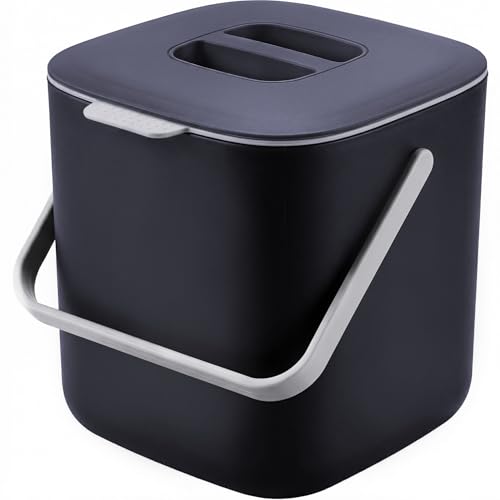
Compost Bin Kitchen, 0.7Gal Sealed Countertop Compost Bin | Indoor Compost Bin, No Filter Required, Compost Bucket with Lid and Handle
- Compact and Convenient: Measuring L6.5“ x W6.5” x H7" with a 0.7-gallon capacity, this kitchen compost bin is perfectly sized to f…
- Modern Convenience Design: Features a one-handed lid, sturdy handle, drainable and removable inner bucket, and a smooth, dishwashe…
- Odor-proof and wet/dry separation: The nearly airtight lid perfectly seals in odors, eliminating the need for expensive activated…
This is the stealth option for the resident who cannot afford any odor whatsoever. The IVWOXO is a 0.7-gallon plastic bin with an almost completely airtight lid. It is designed for people who live in apartments, condos, or townhouses where the kitchen is close to the living room and any smell is a social problem.
The critical difference here is the wet/dry separation. An inner bucket sits inside the main body, and liquids drain through holes into the bottom compartment. This slows down decomposition because the scraps are not sitting in their own juice. Slower decomposition means fewer odors. You do not need to buy expensive charcoal filters; the airtight seal does the work.
The lid opens with one hand, which is useful when you are holding a cutting board full of carrot peels. The inner bucket is removable and the whole thing is dishwasher-safe, so cleanup is effortless. It is versatile enough to sit beside a coffee maker for grounds or near a sofa for fruit peels.
The trade-off is capacity. At 0.7 gallons, this is a small bin. You will empty it daily if you cook for a family. The plastic construction is not as premium as stainless steel, though it is smooth and easy to wipe down. If you need a bin that holds a week of scraps, this is too small.
- 0.7-gallon capacity with removable inner bucket
- Nearly airtight lid eliminates need for charcoal filters
- Drainable base separates liquids from solids
- Dishwasher-safe and smooth interior walls
- One-handed lid operation for easy scraping
Best for: The apartment dweller or the person with a sensitive nose who needs a zero-odor, low-maintenance bin for daily transfer.
Beautiful Kitchen Compost
This KIBAGA bin is for the resident who wants composting to look intentional, not functional. It is a 1.1-gallon bin made from powder-coated carbon steel in a beige finish with a wooden handle and knob. It looks like a decorative countertop piece, which is the entire point when you want to avoid drawing attention to your eco-habits.
The odor control system is dual-layered. A built-in charcoal filter compartment traps smells, while small air holes in the lid allow for aeration. Aeration is important because it prevents the anaerobic bacteria that cause the worst odors. Two filters are included, so you have a spare ready when the first one wears out.
The powder-coated finish is rust-free, which is a genuine advantage over bare stainless steel in humid climates. The wooden handle makes it easy to carry to the outdoor bin without fumbling. It is compact enough to sit on the counter without blocking your prep area.
The limitation is that the powder coating can chip if you drop it or scrape it with a metal spoon. The wooden handle also requires care; you cannot soak it in water. It is not dishwasher-safe, so hand-washing is the only option. But for a resident who values aesthetics as much as function, these are minor issues.
- 1.1-gallon capacity in a 10.2 by 7-inch footprint
- Powder-coated carbon steel resists rust and scratches
- Charcoal filter compartment with aeration holes in lid
- Wooden handle and knob for easy carrying
- Two charcoal filters included with purchase
Best for: The style-conscious homeowner who wants a compost bin that matches the kitchen decor and does not look like a utility bucket.
How We Chose These Products
We evaluated these bins on a specific set of criteria relevant to HOA living. The first filter was odor control. A bin that smells will generate neighbor complaints, which is the fastest way to trigger an HOA violation. We prioritized models with charcoal filters, airtight seals, or drainage systems that actively reduce smells.
The second filter was visibility. We looked at whether the bin could be hidden indoors or whether it would be a visible outdoor structure. For outdoor options, we considered whether the design looked tidy enough to pass an aesthetic review. We also weighed capacity against footprint, ease of cleaning, and durability of materials. Each product had to solve a specific problem for a specific type of resident, from the apartment dweller to the backyard gardener.
Buying Guide: What Really Matters
Before you buy anything, read your HOA’s CC&Rs. Look for language about ‘nuisances,’ ‘unsightly conditions,’ ‘storage of refuse,’ or ‘landscaping maintenance.’ Most HOAs do not ban composting outright. They ban things that attract pests, create odors, or lower property values. If you can prove your system does none of those three things, you have a strong case for approval.
Match the bin type to your specific constraint. If you have no outdoor space, an indoor countertop bin is your only option, and you should look for one with a charcoal filter or an airtight lid. If you have a backyard that is visible from the street or a neighbor’s window, an enclosed tumbler is a better bet than an open pile. If you have no space at all, consider a Bokashi system or an electric composter, which process waste indoors with zero outdoor footprint.
Finally, consider the maintenance commitment. A countertop bin requires weekly cleaning. A tumbler requires physical effort to rotate. A vermicomposting bin requires ongoing feeding and moisture management. Be honest about how much time you will actually spend on this. A bin that is too high-maintenance will end up neglected, which is when odors and pests appear, which is when the HOA gets involved.
Our Top Recommendation
The Epica Kitchen Compost Bin is the best overall pick for most HOA residents. It solves the biggest problem first: it keeps all compostable waste sealed and odor-free inside your kitchen. You control exactly when and how you transfer the scraps to an outdoor system, which means you can time your outdoor activity for when neighbors are not watching. Its stainless steel construction is durable, and the charcoal filter system is proven.
If you have outdoor space and want to produce finished compost for your garden, the VIVOSUN tumbler is the runner-up. Its dual-chamber design is efficient, and the enclosed drum is far more acceptable to an HOA than an open pile. For the strictest communities where even a tumbler is too visible, pair the IVWOXO sealed bin with a local drop-off program or a community garden. That combination keeps your kitchen scraps out of the landfill without any outdoor footprint whatsoever.
The HOA Composting Dilemma
Most HOA disputes are not about the act of composting. They are about the symptoms: flies, rodents, odors, and the visual blight of a rotting pile. Your job is to convince the board that your system eliminates those symptoms. The best way to do that is to present a plan before you install anything.
Start by reviewing your governing documents. Look for the exact wording of any rule that might apply. If the rule is vague, like a general ‘nuisance’ clause, you have room to argue that an enclosed compost bin is not a nuisance. If the rule explicitly bans compost bins, you will need to request a rule change or a variance. Understand the difference before you approach the board.
If you are facing an explicit ban, do not violate it hoping nobody notices. The fine for a violation is usually small, but the bad blood with your neighbors lasts much longer. Instead, use the approval packet in the next section to propose a reasonable amendment. Boards are more receptive to well-researched proposals than to defiant rule-breaking.
Decoding Your HOA’s CC&Rs
CC&Rs are legal documents, and they are rarely written with composting in mind. You will need to read between the lines to understand what actually applies to your situation. The most common clauses that affect compost bins relate to sanitation, aesthetics, and property maintenance.
The difference between a ‘nuisance’ clause and an explicit ban matters enormously. A nuisance clause is subjective. It prohibits anything that creates an ‘unreasonable disturbance’ or ‘offensive condition.’ An enclosed, properly maintained compost bin does not create those conditions, so you can argue it is compliant. An explicit ban, on the other hand, names compost bins directly and prohibits them. You cannot argue your way around an explicit ban without a rule change.
Also look for state laws that might preempt your HOA’s rules. Some states have right-to-farm laws or green amendments that protect composting as an agricultural or environmental practice. These laws vary widely, and they do not always override HOA covenants, but they are worth citing in your proposal if they exist in your state.
The Ultimate HOA Approval Packet
When you approach your board, come with a written proposal. This packet should be professional, concise, and focused on how your compost bin will not negatively impact property values. Here is a template you can adapt.
Start with a summary of your request. State that you are requesting approval to install an enclosed compost bin on your property. Describe the bin you plan to use, including its size, material, and location. Include a photo of the exact model. Address the three main concerns directly: odor, pests, and aesthetics. Explain how your bin prevents each issue.
Then include a risk mitigation plan. This is the section that wins over skeptical boards. Commit to specific actions: emptying the bin weekly, keeping the lid sealed at all times, turning the compost regularly to prevent anaerobic odor, and immediately cleaning up any spills. Offer to allow a board member to inspect the bin at any time. This level of transparency shows good faith.
Finally, propose specific rule language for the board to adopt. This is the most powerful move you can make. Instead of asking for an exception, offer a rule that allows enclosed compost bins while prohibiting open piles and unmanaged waste. This gives the board a framework to approve your request without setting a precedent for messy composting.
Here is sample language you can propose: ‘Composting is permitted on residential lots provided that all compostable materials are contained within a commercially manufactured, enclosed bin or tumbler with a secure lid. Compost bins must be located in the rear yard, at least five feet from any property line, and maintained in a manner that does not create odors, attract pests, or become visually unsightly. Open compost piles and uncontained waste are prohibited.’
This language protects the HOA’s interests while giving you the freedom to compost. Boards are far more likely to approve a specific, reasonable rule than to grant a personal exemption.
What to Do If Your HOA Says No
If the board denies your request, you have options. The first is to appeal. Review your HOA’s bylaws for the appeals process. There is usually a deadline and a specific form to file. Your appeal should include any new information that addresses the board’s specific concerns. If they denied you because of odor concerns, bring in a fact sheet about aerobic composting. If they denied you because of aesthetics, offer to install a decorative screen around the bin.
If the appeal fails, you can request a variance. A variance is an exception to the rules based on hardship. You will need to demonstrate that the rule creates an undue burden on you specifically. This is a higher bar, but it is worth trying if composting is important to you.
If your HOA enacted a new restriction after you started composting, you may be ‘grandfathered.’ This means the new rule does not apply to your existing setup. Check your governing documents for a grandfather clause. If one exists, you can continue composting as long as you do not substantially change your system.
If all else fails, look into state laws. Some states have laws that protect composting or that limit HOA authority over certain environmental practices. A letter from an attorney citing these laws can sometimes change the board’s mind faster than any amount of pleading. You can also propose a compromise: offer to use an indoor system like a Bokashi bin or an electric composter that processes waste entirely inside your home. This eliminates the HOA’s concern about outdoor aesthetics entirely.
Stealth Composting Techniques
If you cannot get approval for an outdoor bin, you still have options. The first is vermicomposting. A worm bin is a sealed plastic tub that lives indoors or in a garage. Worms eat your food scraps and produce castings that are an excellent fertilizer. A well-maintained worm bin has almost no odor and is completely invisible to neighbors. It is the best option for residents with no outdoor space or a strict HOA.
Bokashi is another zero-odor, zero-visibility option. This method uses a bran inoculated with beneficial microbes to ferment food scraps in an airtight bucket. It does not produce compost; it produces a pre-compost that you can bury in a trench or add to an outdoor pile. If you have a small garden bed, you can bury the fermented scraps directly in the soil, where they break down invisibly. This is called trench composting, and it is a legitimate way to compost without any visible bin.
If you have a front yard but no backyard access, you can use a technique called ‘lasagna gardening’ or sheet mulching. You layer cardboard, food scraps, and leaves directly on the soil in a garden bed. The layers break down over several months, and the bed looks like a mulched garden, not a compost pile. This works well in shared green spaces where a bin would be prohibited but a garden is allowed.
Community Composting
Sometimes the best solution is to turn a restriction into a shared amenity. If your HOA prohibits individual compost bins, propose a community composting program. Many HOAs manage common areas, and a single, well-maintained compost bin in a shared location can serve multiple households.
Approach the board with a proposal for a community compost station. Offer to manage it yourself or organize a small committee of volunteers. Include details on the bin you would use, the location, and how you would handle odor and pest control. This shifts the conversation from ‘I want to compost’ to ‘I want to improve our community.’ Boards are often more receptive to initiatives that benefit all residents rather than requests that benefit one.
If the board is still resistant, look for local options. Many cities have community gardens with compost drop-off programs. Some municipalities offer curbside compost pickup. Farmers markets often accept food scraps. These options allow you to compost without any on-site bin, which is the ultimate HOA compliance strategy.
Frequently Asked Questions
Can my HOA actually ban composting? Yes, if the CC&Rs contain language that prohibits it or if the board passes a rule against it. However, many HOAs do not have explicit bans. They rely on vague nuisance clauses, which you can argue do not apply to a well-maintained, enclosed composter. Check your governing documents and state laws before assuming you are out of luck.
What is the most discreet way to compost in an HOA? An indoor system is the most discreet. A Bokashi bucket or a worm bin processes scraps inside your home with no outdoor footprint. If you want to produce soil for your garden, you can bury the processed material directly in a flower bed or use a trench composting method. This keeps everything invisible to neighbors and the board.
How do I get my HOA to change its rules? Submit a formal proposal to the board. Include specific rule language, a risk mitigation plan, and evidence that your proposed system will not cause odors or pests. Offer to let the board inspect your bin. Be patient and professional. Boards respond to well-prepared residents who make their jobs easier, not to confrontational demands.
What happens if I compost anyway and get fined? You will likely receive a written violation notice and a deadline to correct the issue. If you do not comply, fines may accrue. In extreme cases, the HOA can place a lien on your property. It is rarely worth the conflict. Instead, use the approval packet above to get permission first, or switch to an indoor system that does not require approval.
The Verdict: Composting Legally
Composting in an HOA is not about hiding. It is about communicating. The board members are your neighbors. They want a clean, quiet, attractive community. If you can show them that your compost bin supports those goals, you will likely get approval.
Start with a high-quality sealed bin like the Epica for your kitchen. If you have space, pair it with a VIVOSUN tumbler outside. If you have no space, use a worm bin or Bokashi bucket. Whatever you choose, pair it with the approval packet template above. The bin solves the practical problem; the packet solves the political one.
For more guidance on specific bin types, check out our vermicomposting guide if you are considering worms, or our tumbler comparison if you want faster outdoor results. Each article covers the nuances of that specific method in more detail.