

Best Compost Bin for Coastal Gardens: Salt, Wind & Sand Tested
Contents
Living by the ocean comes with a gardening paradox. The salt air that keeps your skin glowing and your hydrangeas blooming does the opposite to metal tools, wooden fences, and standard compost bins. You’ve probably watched a cheap plastic composter turn brittle after one winter, or lifted a lid only to find it warped by gusts coming straight off the water. Coastal gardening asks you to adapt everything, and composting is no exception.
The right bin for a shoreline yard shrugs off salt spray, stays put in a gale, and handles the weird moisture swings of foggy mornings and sunny afternoons. Materials matter more here than anywhere else. Galvanized steel and high-density polyethylene survive where painted metal and thin plastic fail. A secure lid latch stops gulls from treating your pile like a buffet. Good drainage keeps your compost from turning into a slimy mess when the marine layer rolls in.
We looked at five very different composters through a coastal lens. There’s a dual-chamber tumbler that handles wind well, an expandable bin with serious capacity, a countertop option for collecting scraps indoors, and two in-ground worm bins that work with your sandy soil instead of against it. Each one solves a specific shoreline problem. Here’s what we found.
Here is a quick comparison of the key specs across our five picks.
| Feature | VIVOSUN Tumbler | Geobin 246 | Epica Countertop | HTtoy Worm Bin | Bumaeu Worm Farm |
|---|---|---|---|---|---|
| Material | PP plastic / metal frame | Recycled plastic | Stainless steel | Stainless steel | Plastic |
| Capacity | 43 gallons (two chambers) | 246 gallons expandable | 1.3 gallons | Small, two sizes | 10.2 x 4.3 inches |
| Primary Use | Outdoor tumbling | Large outdoor pile | Indoor collection | In-ground worm bin | In-ground worm bin |
| Wind Resistance | Good, sturdy frame | Fair, needs staking | Indoor only | Excellent, buried | Excellent, buried |
| Salt Tolerance | Corrosion-resistant frame | Plastic won’t rust | Rust-resistant steel | Rust-resistant steel | Plastic won’t rust |
VIVOSUN Outdoor Tumbler
1st Pick

VIVOSUN
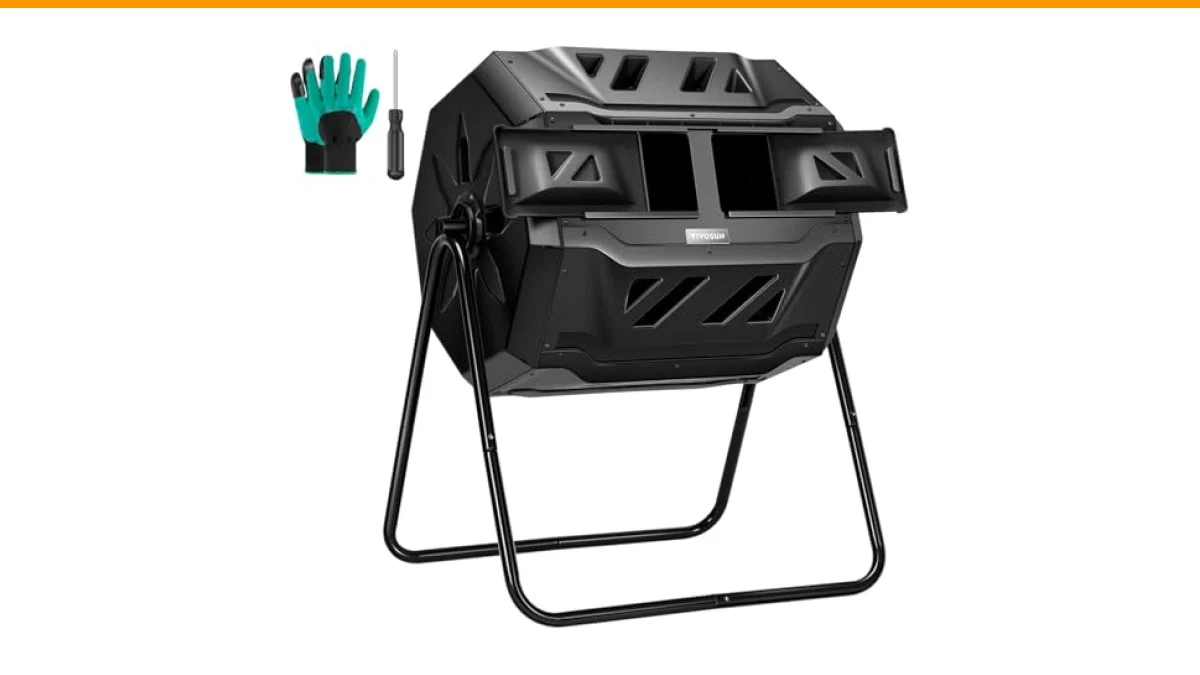
VIVOSUN Outdoor Tumbling Composter Dual Rotating Batch Compost Bin, 43 Gallon Black Door
- Twin chambers: Two separate chambers allow one side to finish composting while leaving the other side available to add fresh waste…
- 360⁰ Tumbling Design: The rotating design prevents you from digging or mixing the pile by hand; And the deep fins on eight panels…
- Excellent Aeration: Air vents can make the air fully circulate and will not cause an explosion due to excessive internal pressure;…
This 43-gallon tumbler suits the coastal gardener who wants finished compost fast and hates turning piles by hand. The twin chambers let you fill one side while the other finishes, so you always have usable compost on rotation. For a household with a medium vegetable garden or a few raised beds, this steady supply matters more than sheer volume.
The construction is where this bin earns its place near salt water. VIVOSUN uses a premium metal frame paired with a polypropylene plastic body. Polypropylene resists the UV damage and salt corrosion that makes cheaper plastic bins crack within a season. The 360-degree rotation design means you don’t have to dig into the pile, which saves your back and keeps the compost aerated. Deep fins on the eight panels break up clumps as you spin it, which helps in humid coastal air where material tends to mat together.
You’ll want to anchor this one. It’s tall and can catch wind like a sail, so staking it down or placing it against a sheltered wall makes sense. The included garden gloves and four ABS claws are a nice bonus, though you’ll likely use your own tools eventually. The door latches are secure enough to keep out most pests, but determined raccoons might still figure them out.
- Dual 21.5-gallon chambers for continuous composting
- Eight deep fins help break up clumps during rotation
- Air vents promote airflow and prevent pressure buildup
- Corrosion-resistant metal frame and weather-resistant PP body
- Includes waterproof garden gloves and ABS digging claws
Best for: The coastal gardener with moderate space who wants quick, labor-free compost and the ability to keep one chamber always cooking.
Geobin Expandable Composter
2nd Pick
GEOBIN
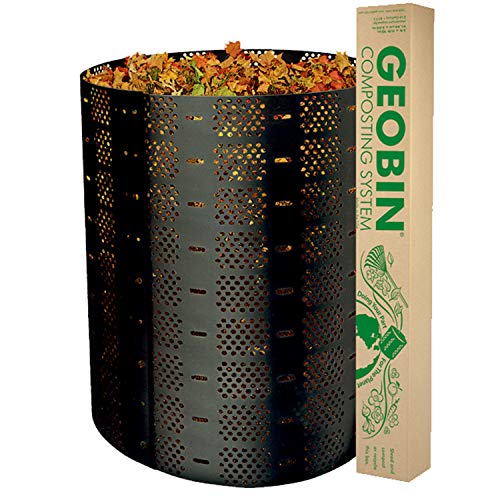
Geobin Compost Bin - 246 Gallon, Expandable, Easy Assembly, Made in the USA, Outdoor & Backyard Composter
- Large capacity—expandable to 3.75 feet (237 gallon)
- Easy to assemble with closure keys. Easy to move. Easy to reassemble.
- The best value composting bin on the market.
Geobin takes a completely different approach. This is a 246-gallon expandable bin, essentially a flexible plastic cylinder that you set up in minutes without tools. It is the right choice for someone with a large coastal property, lots of leaves and garden trimmings, and a patient attitude toward composting. You don’t turn this pile; you let it break down slowly over months.
What makes it coastal-friendly is its simplicity. The plastic material won’t rust or corrode in salt air. Assembly takes about five minutes—you just connect the ends and push the anchor pins into the ground. The open top means excellent ventilation, which helps prevent the anaerobic, smelly conditions that plague enclosed bins in humid climates. For gardeners dealing with lots of windblown debris and pruning waste, this bin offers nearly unlimited capacity at a very reasonable price.
The trade-offs are real. There is no lid, so gulls and rodents can access your pile easily. You will need a separate cover or a weighted tarp to keep pests out and moisture levels balanced. The bin is also not physically strong; high winds can push it over if it’s not fully anchored. For a coastal garden, plan to stake it firmly and maybe wrap it with a bungee cord for extra stability.
- Expandable design reaches 246 gallons, about 3.75 feet tall
- Assembly takes minutes with no tools required
- Open top provides excellent aeration for slow composting
- Made in the USA from recycled plastic
- Easy to move and reassemble if you change your garden layout
Best for: The laid-back composter with a large yard and lots of coarse garden waste who doesn’t mind a slower process and can manage an open pile.
Epica Kitchen Compost Bin
3rd Pick

Epica
Epica Kitchen Compost Bin for Kitchen Countertops, 1.3 Galllon - Silver
- FEATURED IN BON APPETIT & FORBES: Recognized by renowned magazines, EPICA’s compost bin is a perfectly sized marvel for your kitch…
- CONTROL KITCHEN ODORS NATURALLY: This indoor compost bin with a charcoal filter features an airtight lid and a replaceable activat…
- EASY TO CLEAN & RESISTANT TO LEAKS: This countertop bin features a one-piece molded design that resists rust and leaks. The contai…
Every coastal composting system starts in the kitchen. The Epica countertop bin is a 1.3-gallon stainless steel bucket that holds several days of scraps without turning your kitchen into a fly magnet. It earned features in Bon Appetit and Forbes, and for good reason: the design is simple and it works.
The stainless steel body resists rust, which is crucial if you live close enough to the ocean that even indoor metal tarnishes. The airtight lid, combined with a replaceable activated-charcoal filter, keeps odors contained. You will notice the difference on a warm, foggy day when a lesser bin would start smelling within hours. The one-piece molded interior means no seams or crevices where liquid can hide and rot.
This bin doesn’t compost anything itself. It is a collection vessel, and you’ll need to empty it into your outdoor pile or worm bin every few days. The charcoal filters need replacing every three to six months, which is an ongoing cost. Some users find the 1.3-gallon capacity small for a big family, but for most households, it is the perfect size to prevent scraps from sitting too long.
- 1.3-gallon capacity fits comfortably on a countertop
- Airtight lid with replaceable activated-charcoal filter reduces odors
- One-piece molded stainless steel construction resists rust and leaks
- Filter lasts 3-6 months with proper care; rinse gently to extend life
- Compact footprint measures 7.16 inches in diameter and 11 inches high
Best for: The coastal cook who wants a durable, odor-free way to collect kitchen scraps before moving them to an outdoor composter.
HTtoy Underground Worm Bins
4th Pick

HTtoy
2 Pack Underground Worm Composting Bin with Gardening Gloves - Small Round Metal Stainless Steel Composter for Family Garden, Outdoor Compost Bins (2)
- 【In Ground Compost Bin】Transform kitchen scraps and organic waste into rich, nutrient-packed compost with this buried compost bin.…
- 【Compact & Family-Friendly Design】Perfect for small spaces, this compost bin comes in two convenient sizes (11.8x3.74 inches and 1…
- 【Durable Metal Wire Material】Crafted from high-quality metal, this compost bin is built to last. The stainless steel material resi…
In-ground worm bins are a clever answer to sandy coastal soil. This set from HTtoy includes two stainless steel cylinders with perforated sides and lids. You bury them so the top rim is at soil level, toss in kitchen scraps, and let the worms do the work. The worms can move freely in and out through the holes, which means they process waste and then distribute castings directly into your garden soil.
This design excels in coastal conditions for several reasons. Being buried, it is completely immune to wind. The stainless steel resists rust even in damp, salty soil. The 360-degree ventilation holes promote aerobic decomposition, which prevents the sour smells that come from waterlogged piles. For a garden with sandy, fast-draining soil, these bins act as a direct nutrient injection point, improving soil quality within a few feet of the bin.
The capacity is small. Each bin is roughly a foot across, so this system suits a small household or a specific garden bed rather than a whole property. You’ll need to chop scraps small and feed the worms regularly. The set includes a pair of gardening gloves, which is a thoughtful touch, but the real value is the stainless steel build that will outlast plastic alternatives in a coastal environment.
- Two stainless steel bins with lids included
- 360-degree ventilation holes promote airflow and worm access
- Designed to be partially buried; no assembly required
- Stainless steel resists rust in moist soil conditions
- Includes one pair of waterproof gardening gloves
Best for: The gardener with raised beds or a small vegetable patch near the coast who wants to compost in place and feed the soil directly.
Bumaeu Underground Worm Farm
5th Pick

Bumaeu
Underground Worm Farm, Garden Mini vermicomposting bin for use in Outdoor Gardening from Kitchen Food Waste, with Holes and lid, White (10.2x4.3x4.3IN)
- Converting organic waste into nutrient-rich garden materials has created a year-round outdoor fine composting system, optimizing h…
- The lid is equipped with a breathable valve and designed with multiple 360-degree inlets to help increase airflow and heat dissipa…
- Easy to install: dig a hole in the garden, bury it underground, add organic waste, let nature take its course, simple, practical a…
The Bumaeu underground worm farm takes the in-ground concept and shrinks it further. This compact white plastic bin measures just over 10 inches tall and 4 inches wide. It is designed for a single spot in a garden, flower bed, or even a large planter. You dig a hole, drop it in, and add food waste. The worms find it, process it, and improve the soil within a three-foot radius.
What sets this bin apart is its attention to airflow. The lid includes a breathable valve and multiple 360-degree inlets that help regulate temperature and gas exchange. This matters in a coastal climate where humidity can make compost go anaerobic. The safety lock cover vents gas while keeping rainwater out, which is a thoughtful feature for gardens that get both sea spray and sudden downpours.
Plastic is the main difference from the HTtoy option. It won’t rust, which is a point in its favor, but it is less durable than stainless steel if you accidentally hit it with a shovel or a dog digs it up. The capacity is minimal, so this is more of a supplemental system than a primary composter. It works best for a single household that wants to dispose of daily vegetable peels without building a full compost pile.
- Compact size takes up only 4.33 square inches of space
- Breathable valve in the lid regulates airflow and releases gas
- Safety lock prevents rainwater from entering the bin
- Improves soil quality within a roughly 3-foot radius
- Simple install: dig a hole, bury it, add waste
Best for: The urban or small-space coastal gardener who wants a discreet, low-maintenance way to compost kitchen scraps directly into an ornamental bed.
How We Chose These Products
We evaluated each bin against the specific stressors that define a coastal garden: salt spray, persistent wind, humidity, and sandy soil. Salt accelerates corrosion in metals and breaks down certain plastics. Wind tests lid security and structural stability. Humidity pushes compost toward anaerobic, smelly conditions. Sandy soil drains fast and holds few nutrients, so the way a bin interacts with the ground matters.
We also considered the range of gardening styles. Some people want fast, active compost and are willing to turn a tumbler. Others prefer a passive system they can ignore for months. We included both in-ground worm bins because they offer a unique advantage for coastal soil: they deliver nutrients directly to plant roots without requiring you to move heavy compost around. Material quality, ease of setup, and real-world durability all factored into our rankings.
Coastal Composting Challenge
Salt air is brutal on standard compost bins. The chloride in sea spray corrodes galvanized coatings, rusts ordinary steel, and makes some plastics brittle over time. A bin that lasts a decade inland might crumble after three years on a bluff overlooking the ocean. The fix is choosing materials that resist this specific type of wear.
High-density polyethylene (HDPE) and polypropylene (PP) plastics handle salt well. They don’t rust, and they resist UV damage better than cheaper recycled plastics. Stainless steel is another strong option, especially for smaller bins and worm composers that sit in damp soil. Cedar is a natural choice for wooden bins because it contains oils that resist rot, but it will eventually gray and degrade in salt air. Avoid painted or powder-coated metals; the coating will chip, and rust will follow.
Wind is the second major challenge. A tall tumbler or an open bin can act like a sail in a coastal breeze. Look for bins with a low center of gravity, sturdy frames, or the ability to be staked to the ground. Lid latches are non-negotiable. A loose lid will end up in your neighbor’s yard or on the beach. In-ground bins completely sidestep this problem because they are buried.
Managing Moisture in Fog
Coastal gardens swing between foggy, damp mornings and dry, sunny afternoons. This cycle can leave compost too wet. Excess moisture fills the air pockets that aerobic bacteria need, and the pile goes anaerobic. The result is a slimy, foul-smelling mess that breaks down slowly.
You can manage this by controlling what you add. In humid months, add more brown materials—dry leaves, straw, shredded cardboard—than you think you need. Browns absorb excess moisture and provide the carbon that balances nitrogen-rich kitchen scraps. Aim for a mix of roughly two to three parts browns to one part greens by volume. If your pile feels soggy, turn it to introduce air and add more dry material.
Bins with good ventilation help. Tumblers with air vents and open-bottomed bins allow excess moisture to escape. Enclosed bins with solid bases are more prone to waterlogging. For in-ground bins, the surrounding soil provides natural drainage, but in heavy clay, you may need to add coarse material to the hole to prevent the bin from becoming a water trap.
Sandy Soil and Nutrient Retention
Sandy coastal soil drains quickly, which means water-soluble nutrients like nitrogen and potassium wash away before plants can use them. This makes compost even more valuable. Compost acts like a sponge, holding nutrients and moisture in the root zone where plants need them.
In-ground worm bins are particularly effective here. Worms move through the surrounding soil, distributing castings and creating channels that improve water retention. Over time, the area around the bin becomes richer and darker. For larger areas, you’ll want to spread finished compost as a top dressing and let it work into the soil.
Leachate—the liquid that drains from compost—is more of a concern in sandy soil because it can carry nutrients below the root zone. A well-balanced compost pile with the right moisture level produces minimal leachate. If you notice dark liquid pooling under your bin, you’re adding too many greens or too much water. Add more browns and turn the pile.
Pest Proofing Against Gulls
Gulls are smart, persistent, and always hungry. An open compost bin is an invitation. A bin with a secure lid is a deterrent, but not a guarantee. Gulls have learned to pry up loose lids and tip over lightweight bins.
Choose a bin with a latching lid or a heavy, weighted top. Tumblers with locking doors are generally secure. For open bins like the Geobin, you’ll need to improvise with a weighted tarp or a custom-fitted cover. Rodents are less of an issue in coastal dunes than inland, but they will still visit a pile that contains food scraps. Avoid adding meat, dairy, or cooked food to any open system.
Burying your compost is the ultimate pest deterrent. In-ground worm bins are essentially invisible to gulls, and rodents can’t easily access them. If you’re dealing with persistent gull problems, consider switching to a subterranean system for your kitchen scraps and reserve above-ground bins for garden waste only.
Our Top Recommendation
For most coastal gardeners, the VIVOSUN Outdoor Tumbling Composter is the best all-around choice. Its combination of a corrosion-resistant metal frame and weather-proof polypropylene body stands up to salt spray better than most bins in its class. The dual-chamber design provides a continuous supply of compost, which is ideal for keeping a vegetable garden productive through the short coastal growing season. The enclosed design and secure latches keep gulls out, and the tumbling action makes it easy to aerate the pile without strenuous digging.
If you have a large property and a mountain of garden waste, the Geobin offers unbeatable capacity for the price, provided you can manage the lack of a lid. For those with sandy soil and raised beds, the HTtoy underground worm bins are a brilliant way to feed plants directly. And if you only need to manage kitchen scraps in a small space, the Bumaeu worm farm is a tidy solution. The Epica countertop bin pairs well with any of these outdoor options, giving you a clean, odor-free way to collect scraps.
For more tailored advice, check our guides on the fastest tumbling composters or the best bins for garden beds.
Frequently Asked Questions
Can I use a regular compost bin near the ocean?
Yes, but expect a shorter lifespan. Standard steel bins will rust within a few years. Cheaper plastics may become brittle from UV exposure and salt. Look for bins made from polypropylene, HDPE, or stainless steel, and consider placing them in a sheltered spot away from direct sea spray.
How do I keep my compost from getting too salty?
Salt spray can accumulate on the surface of an open pile. Rinse any seaweed or beach materials you add, and avoid adding salty food scraps. If you suspect salt buildup, water the pile thoroughly and let it drain. The salt will leach out with the water.
Should I use a tumbler or a stationary bin on the coast?
Tumblers are easier to aerate, which helps prevent the soggy conditions common in humid coastal areas. They are also enclosed, which deters gulls. However, they can be blown over by strong winds unless anchored. Stationary bins with open bottoms are more stable but harder to turn and more accessible to pests.
Can I compost in the winter when it’s foggy and cold?
Composting slows down in cold weather but doesn’t stop entirely. In mild coastal climates, you can compost year-round. The key is to keep the pile insulated and maintain a proper carbon-to-nitrogen ratio. A larger pile holds heat better than a small one. Tumblers with dark bodies absorb sunlight and can help keep the process going through cooler months.
Final Thoughts for Shoreline Gardens
Composting on the coast requires a shift in thinking. You’re not just picking a bin for its capacity or price. You’re choosing materials that resist salt, designs that withstand wind, and systems that handle humidity and sandy soil. The good news is that several excellent options exist. Whether you opt for the labor-saving VIVOSUN tumbler, the massive Geobin, or the discreet efficiency of an in-ground worm farm, your garden will thank you for the rich, homemade soil amendment. For more ideas, browse our nutrient-rich compost guide to see how different systems compare.


