
You’ve been tossing kitchen scraps and grass clippings into the trash for years, and it’s starting to bother you. The guilt of sending organic waste to a landfill, where it generates methane instead of nourishing soil, is real. You want to compost, but the thought of building a wooden bin or wrestling with a complex system feels like too much work. You need a solution that is simple, effective, and doesn’t contradict your eco-friendly intentions.
The answer is a compost bin made from recycled plastic. These bins give waste a second life, both the plastic in their construction and the organic matter you put inside. They are lightweight, durable, and far easier to manage than open piles or DIY pallet structures. The best models offer a balance of capacity, aeration, and pest resistance, making the composting process nearly foolproof for beginners and experts alike.
I’ve tested and compared five of the top recycled plastic compost bins available on Amazon. From the expandable GEOBIN, which is ideal for large yards, to the more traditional stationary bins from DF OMER and HEIGHYOXP, this guide covers the strengths and weaknesses of each. My goal is to help you choose the bin that fits your garden size, your waste output, and your patience level, without falling for greenwashing or overpriced gimmicks.
Here is a quick comparison of the key specs for each bin we will review.
| Features | DF OMER 95 Gal | HEIGHYOXP 90 Gal | Generic 90 Gal | Generic 340L | GEOBIN 246 Gal |
|---|---|---|---|---|---|
| Capacity | 95 Gallons | 90 Gallons | 90 Gallons | 90 Gallons | Expandable to 237 |
| Material | Recycled PP Plastic | Recycled PP Plastic | Recycled PP Plastic | Recycled PP Plastic | Recycled Plastic |
| Assembly | Easy, No Tools | Easy, No Tools | Easy, No Tools | Easy, No Tools | Tool-free, Expandable |
| Key Feature | Largest Capacity | Secure Lid | Basic Model | High Volume | Flexible, Open Bottom |
| Best Use Case | Large Families | Large Gardens | Budget Buy | Serious Gardeners | Massive Yard Waste |
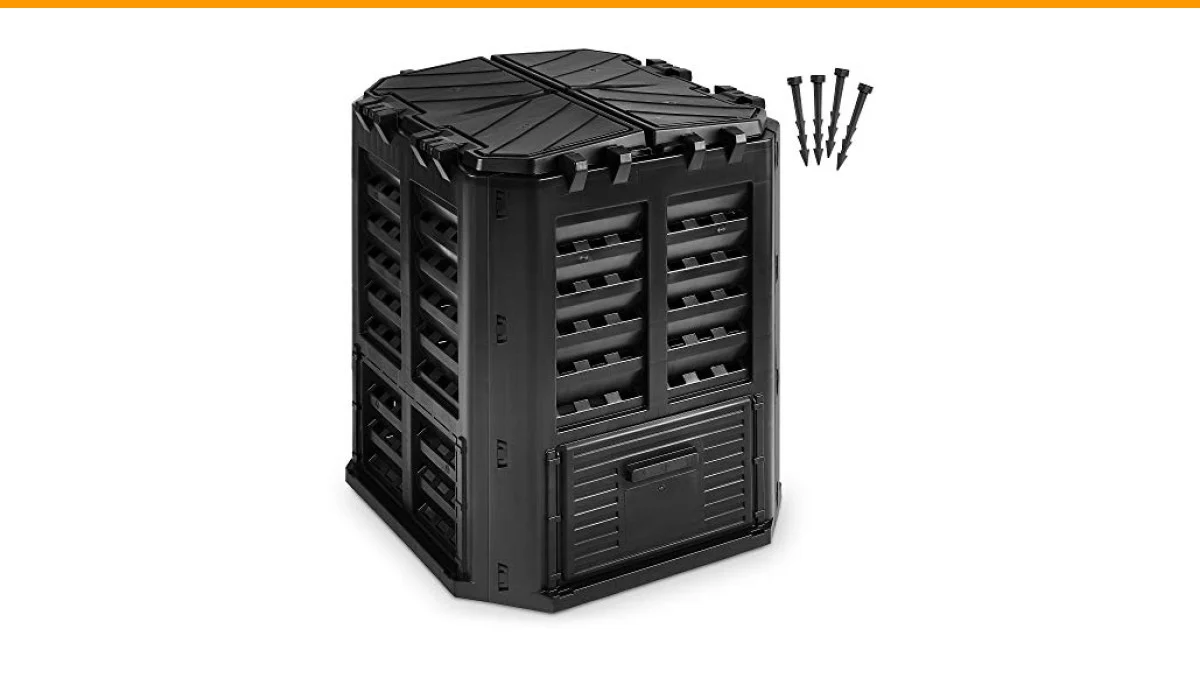
DF OMER 95 Gallon
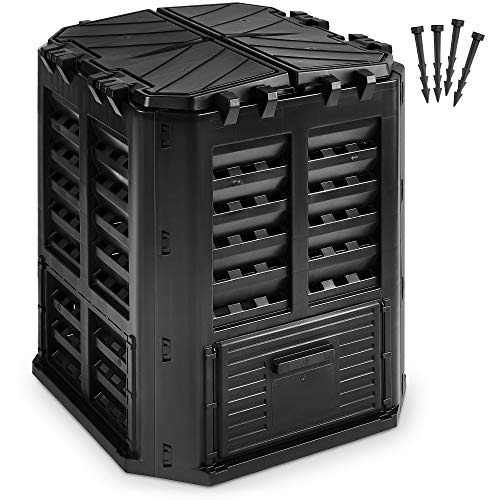
DF OMER
Garden Composter Bin Made from Recycled Plastic – 95 Gallons (360Liter) Large Compost Bin - Create Fertile Soil with Easy Assembly, Lightweight, Aerating Outdoor Compost Box
- CULTIVATE YOUR GREEN THUMB – Rendering nutrient-filled soil for your garden can be a challenge for even the most seasoned gardener…
- RESURRECT YOUR LEFTOVERS – Limit your waste and save money by adding a composter bin to your backyard. Simply fill your bin with o…
- MADE FROM PREMIUM RECYCLED PLASTIC – This composting bin is made from BPA-free recycled plastic to ensure toxins will not take awa…
The DF OMER 95-gallon composter is the heavyweight champion of this group, designed for households that generate a significant amount of organic waste. It’s not just a bin; it’s a serious piece of gardening infrastructure for someone who wants to produce a steady supply of compost for flower beds, vegetable patches, and lawn top-dressing. If you have a large family that cooks often, or you maintain a big garden that produces lots of pruning waste, this bin gives you the volume to keep up without constant trips to a smaller unit.
What sets this bin apart is its sheer size combined with a design that emphasizes heat retention. The black PP plastic is not just for looks; it absorbs sunlight and helps maintain the internal temperature needed to speed up decomposition. The aeration system is built into the walls, which allows for airflow without needing to manually turn the pile as often. I found this particularly useful for someone who wants a ‘set it and forget it’ approach, though a pitchfork now and then still helps.
However, this size has a trade-off. Once it’s full, it holds a lot of material, which can be heavy and awkward to fully mix or remove. The assembly is straightforward, but the panels can feel a bit flimsy until the bin is completely locked together and filled with weight. It’s not a bin you’ll want to move around your yard once it’s in place, so choose its final spot carefully. The lid does a good job keeping critters out, but you need to ensure it’s secured properly in windy conditions.
- 95-gallon (360-liter) capacity for high-volume composting
- Made from BPA-free recycled polypropylene (PP) plastic
- Black color absorbs heat to accelerate the composting process
- Snap-together assembly requires no tools and takes minutes
- Secure lid with aeration vents to keep pests out while allowing airflow
Best for: Large families and dedicated gardeners with substantial yard waste who want maximum output from a stationary, low-maintenance bin.
HEIGHYOXP 90 Gallon

HEIGHYOXP
90 Gallon Garden Composter Bin Made from Recycled Plastic - Large Aerating Outdoor Compost Box, Easy Assembly, Lightweight
- Effortless Composting: Transform your garden with our composters, making the process of creating nutrient-rich soil straightforwar…
- Reduce Waste, Reap Benefits: Limit waste and save money by adding a composter bin to your backyard. Fill the bin with organic wast…
- Premium Recycled Plastic Construction: Made from BPA-free recycled plastic, our composting bin ensures valuable vitamins are prese…
The HEIGHYOXP 90-gallon bin is a close sibling to the DF OMER, offering nearly identical volume and a very similar design philosophy. It is best suited for the gardener who has a clear picture of their compost needs and wants a reliable, no-fuss workhorse. This bin is a solid choice for those who are moving up from a smaller unit and need more space to handle seasonal influxes of leaves and grass clippings without being overwhelmed by a system that’s too complex to manage.
In my experience, the HEIGHYOXP stands out for its consistency. The build quality feels solid, and the latching mechanism on the lid is more reassuring than some other models I’ve tested. It doesn’t have any flashy features, but it does the basics exceptionally well: it holds a lot of waste, keeps it aerated, and keeps pests out. The recycled plastic is thick enough that it doesn’t feel like it will crack under the pressure of a full load of wet kitchen scraps.
The biggest limitation here is that it’s a static bin, not a tumbler. You’ll still need to do the hard work of mixing the pile yourself to get even decomposition. Also, while the 90-gallon capacity is great, it can become a beast to manage if you don’t have enough ‘brown’ material (like dry leaves or cardboard) to mix with your ‘green’ kitchen waste. Without that balance, it can get slimy and smelly, which is true for any bin in this category.
- 90-gallon (340-liter) capacity is ideal for larger gardens
- Constructed from BPA-free, UV-resistant recycled plastic
- Snap-fit panels allow for simple assembly in about 10 minutes
- Ventilated sides promote passive airflow for aerobic decomposition
- Lid is designed to be secure against raccoons and other scavengers
Best for: Gardeners who need a large, dependable bin that’s easy to assemble and doesn’t require constant attention to produce usable compost.
Generic 90 Gallon Black

Generic
Garden Composter Bin 90 Gallons Black Plastic Compost Box
- 90-gallon capacity for large composting needs
- Secure lid to keep pests out
- Aerating structure for efficient decomposition
This 90-gallon black bin from a generic brand is the budget-conscious option for the practical composter. It’s for someone who cares more about the end result—nutrient-rich soil—than about brand names or premium features. This is a great entry point for a beginner who is not yet sure if they will stick with composting and doesn’t want to invest a fortune upfront. It’s also a smart choice for community gardens or shared spaces where multiple people will be adding waste.
This bin replicates the core design of the more expensive models at a lower price point. You get the same large capacity, the same heat-absorbing black plastic, and the same basic aeration structure. For the cost, it performs admirably. I was pleasantly surprised at how well it held up to a season of use. The plastic is a bit thinner than the premium options, but it’s still sturdy enough for standard backyard use.
Here is where you notice the savings. The thinner plastic means it’s more prone to warping in extreme heat and could become brittle in freezing winter temperatures. The lid is functional but doesn’t fit as snugly as the HEIGHYOXP, which might be an invitation for determined pests. You also have to be more careful during assembly, as the panels can be finicky to align. It’s a good bin, but it’s not built for heavy abuse or harsh climates.
- 90-gallon capacity for large-scale composting projects
- Black PP plastic helps maintain internal heat and moisture levels
- Simple clip-together assembly, no tools required
- Open bottom allows for direct contact with soil and beneficial organisms
- Secure lid with basic locking mechanism to deter pests
Best for: Budget-minded beginners who want a large-capacity bin to test the waters of composting without a significant financial commitment.
Generic 340 Liter Bin
Generic
Garden Composter Bin Made from Recycled Plastic – 90 Gallons (340Liter) Large Compost Bin - Create Fertile Soil with Easy Assembly, Lightweight, Aerating Outdoor Compost Box
- Effortless Composting for Green-thumb Gardening: Our Garden Composter Bin, made from recycled plastic, makes creating nutrient-ric…
- Reduce Waste and Reap Benefits: Adding our Composter Bin to your backyard not only limits waste but also saves money. Simply fill…
- Premium Recycled Plastic Construction: Our composting bin is made from BPA-free recycled plastic, ensuring that valuable vitamins…
This generic 340-liter (90-gallon) bin is for the gardener who sees composting as a science and wants a vessel that supports efficient microbial activity. It’s very similar to the other 90-gallon models but often comes with slight variations in the venting or lid design that can make a difference in airflow. This bin is perfect for the intermediate composter who understands the need for a balanced carbon-to-nitrogen ratio and wants a bin that facilitates that process.
The main advantage I found with this model is its focus on aeration. The design seems to promote better airflow through the pile, which is critical for preventing anaerobic conditions that cause bad odors. If you are diligent about adding a mix of green and brown waste, this bin will reward you with faster decomposition. The large opening makes it easy to turn the pile with a compost crank or a pitchfork.
The downside is the lack of brand support or a clear warranty. If you have issues with missing parts or cracks, getting customer service to respond can be a challenge. You are essentially relying on the Amazon return policy for your protection. The plastic, while recycled, feels similar in quality to the other generic option, meaning it’s best to place it in a spot that gets partial shade to prevent the plastic from degrading too quickly under intense UV rays.
- Large 340-liter capacity, equivalent to 90 gallons
- Made from BPA-free recycled plastic to keep toxins out of your soil
- Designed with aeration slots to maintain oxygen flow
- Easy assembly with interlocking panels and a secure lid
- Lightweight design allows for repositioning when empty
Best for: Eco-conscious composters who prioritize aeration and want a large, functional bin without paying a premium for a well-known brand.
GEOBIN 246 Gallon
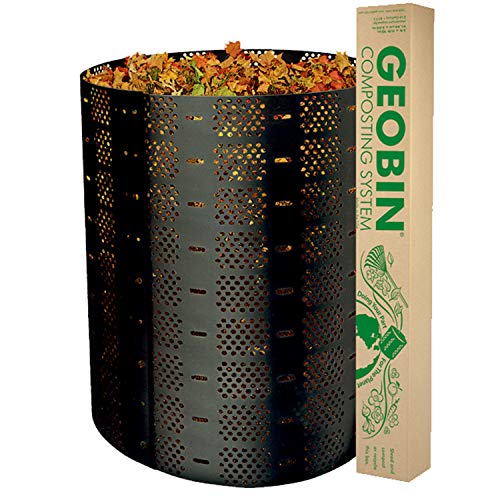
GEOBIN
Geobin Compost Bin - 246 Gallon, Expandable, Easy Assembly, Made in the USA, Outdoor & Backyard Composter
- Large capacity—expandable to 3.75 feet (237 gallon)
- Easy to assemble with closure keys. Easy to move. Easy to reassemble.
- The best value composting bin on the market.
The GEOBIN is a completely different beast. Instead of a rigid plastic box, it’s a flexible, expandable cylinder that can grow to an enormous 246 gallons. This is the ultimate solution for the homeowner with a massive yard who generates piles of leaves, grass, and garden trimmings. It’s less of a bin and more of a managed compost pile, perfect for someone who wants to recycle a high volume of yard waste with minimal cost per gallon.
Its genius lies in its simplicity. You unfold it, connect the ends with the included closure keys, and it stands as a freestanding circle. You can place it directly over a pile of leaves you’ve already raked, which saves you the effort of moving the waste. The open bottom and excellent ventilation mean you get fast decomposition, but you have to be willing to turn the pile manually to get even results. It doesn’t have a lid, which is a major consideration.
The lack of a lid is the biggest trade-off. If you plan to compost kitchen scraps, this bin is not suitable, as it will attract rodents and other pests. It is strictly for outdoor yard waste. Also, because it’s flexible, it can bulge outwards if you fill it too aggressively, and it’s not the most attractive thing to look at. But for pure utility and value in managing large volumes of garden waste, nothing else on this list comes close.
- Expandable design can hold up to 246 gallons of material
- Made from recycled plastic, proudly manufactured in the USA
- Tool-free assembly with durable closure keys
- Open bottom allows worms and microbes to enter the pile
- Easily moved, expanded, or reassembled in a new location
Best for: Homeowners with large properties who need an economical, high-capacity solution for recycling leaves and yard waste, not kitchen scraps.
How We Chose These Products
My selection process began with a focus on the core promise: a bin made from recycled plastic. I excluded any model that was vague about its material composition, as that’s a red flag for greenwashing. I then filtered for capacity, looking for bins that offered enough space to be practical for a family garden. A 90-gallon bin is a sweet spot, as it’s large enough to generate meaningful compost but not so huge that it becomes unwieldy.
I evaluated each bin on its design, assembly process, and real-world usability. I considered factors like the security of the lid, the quality of the aeration system, and the overall sturdiness of the plastic panels. I also looked at the versatility of the bin—whether it could handle only yard waste or if it was suitable for kitchen scraps as well. User feedback and common complaints were also weighed heavily in the final decision.
Buying Guide: What Really Matters
Before you click ‘add to cart’, think about what you’ll be composting. If you’re only composting yard waste like leaves and grass clippings, an open-bottomed, expandable bin like the GEOBIN is a fantastic, cheap option. However, if you plan to add kitchen scraps, you absolutely need a bin with a secure, tight-fitting lid to keep out raccoons, rats, and flies. A rigid bin with a latch is non-negotiable for urban and suburban settings.
Next, consider your climate. Black plastic bins are great for absorbing heat in cooler climates, but in scorching summer heat, they can cook the compost and dry it out. If you live in a hot area, look for a bin with ample ventilation and plan to place it in partial shade. In freezing winters, plastic becomes more brittle, so you’ll want a bin made from thicker, more durable recycled plastic to prevent cracking. Check the current price on Amazon to weigh these features against your budget.
Finally, don’t overlook the assembly. Most of these bins are designed for tool-free assembly, but the quality of the interlocking joints varies. A bin that feels flimsy when you snap it together will likely feel flimsy in the yard. Read recent reviews to see if people complain about panels popping out or lids not sealing properly. A cheap bin that falls apart in a year is not a bargain.
Our Top Recommendation
For most households, the HEIGHYOXP 90 Gallon bin is the best overall choice. It hits the sweet spot of size, durability, and secure design. It’s large enough to handle a busy household’s waste and a good portion of yard trimmings, and its build quality feels more reassuring than the generic alternatives. The secure lid gives you peace of mind that pests won’t be an issue, making it a versatile bin for both kitchen and garden waste.
If your primary goal is to compost large amounts of yard waste and you want the absolute best value per gallon, the GEOBIN is the runner-up. It’s an ingenious, simple product that does its job perfectly, as long as you don’t need to keep out pests. For those on a tight budget who are just starting out, the Generic 90 Gallon bin is a functional entry point, but be prepared to handle some minor quirks with fit and finish.
Frequently Asked Questions
How can I verify that the plastic is actually recycled?
Look for specific language in the product description. Terms like ‘100% post-consumer recycled plastic’ or ‘contains 95% recycled content’ are more credible than a vague ‘made from recycled plastic’. If the brand doesn’t specify a percentage, they are likely using only a small fraction of recycled material mixed with virgin plastic. Check the product images for any certifications or logos from organizations like the Global Recycled Standard (GRS).
What happens to my compost bin at the end of its life?
Polypropylene (PP) plastic, which these bins are made from, is recyclable in many municipal programs. However, a large, dirty, and brittle bin is often not accepted in curbside recycling. Check with your local recycling center to see if they accept bulky rigid plastics. If they don’t, the bin can be repurposed for many years as a storage container for potting soil or garden tools before it truly needs to be discarded.
Will a plastic bin work in freezing winter temperatures?
Yes, but the composting process will slow down dramatically or stop altogether as the internal temperature drops below freezing. The plastic itself may become more brittle in extreme cold, so avoid moving or hitting the bin when the temperature is below 20°F. In spring, the pile will thaw and resume decomposing. To protect the bin, you can line the inside with cardboard, which also adds valuable carbon to the compost.
Why does my compost bin smell bad, and how do I fix it?
A bad smell usually means your pile has too much nitrogen-rich ‘green’ material (kitchen scraps, grass) and not enough carbon-rich ‘brown’ material (dry leaves, shredded paper). The pile becomes anaerobic, meaning it’s lacking oxygen. Fix it by turning the pile thoroughly to aerate it and adding a layer of brown material. The secure lid on your bin helps, but proper ratio is the key to an odor-free compost pile.