
Lawn Mower Safety Certifications Explained
Contents
When you think about lawn mowers, safety might not be the first thing on your mind. However, imagine a sunny Saturday morning, with the scent of freshly cut grass in the air. A family member is out mowing the lawn, and suddenly, a loud bang interrupts the peace. This scenario highlights the importance of understanding lawn mower safety certifications. Knowing how these certifications work can help you choose safer equipment and prevent accidents.
This article will clarify the different lawn mower safety certifications, their significance, and what to look for when purchasing a mower. By the end of this read, you’ll feel more confident in your ability to select a mower that meets safety standards and protects your family.
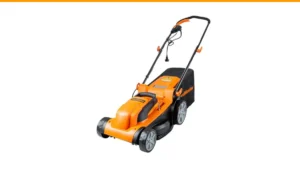
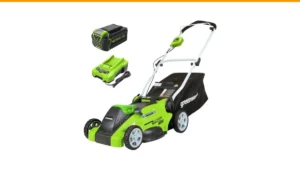
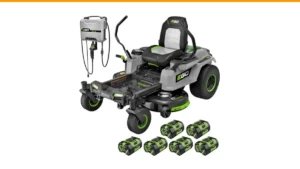
For those looking to enhance their lawn care experience, consider checking out various lawn mowers that meet these safety certifications. They not only comply with safety standards but also help maintain a healthy lawn.
Understanding Lawn Mower Safety Certifications
Lawn mower safety certifications indicate that a mower has passed specific tests to ensure it operates safely. Various organizations set these standards, including the American National Standards Institute (ANSI) and the Canadian Standards Association (CSA). Understanding these certifications can help you make informed choices.
1. **ANSI Standards**: ANSI outlines safety requirements for lawn mowers, including design, construction, and performance. The ANSI B71.1 standard focuses on walk-behind and riding mowers, ensuring they meet minimum safety requirements. This standard specifies features like blade guards, shut-off mechanisms, and safety warnings.
2. **CSA Standards**: Similar to ANSI, the CSA sets standards for lawn mowers in Canada. CSA Z62.1 outlines safety requirements for lawn and garden equipment, ensuring protection from hazards like electrical shocks and mechanical injuries.
3. **EPA Regulations**: While not a safety certification per se, the Environmental Protection Agency (EPA) regulates emissions from lawn mowers. Compliance with EPA standards shows that a mower is designed with environmental safety in mind, which indirectly contributes to user safety.
Importance of Safety Certifications
Safety certifications serve several critical functions that protect users and bystanders:
- Risk Reduction: Mowers meeting safety standards are less likely to malfunction, reducing the risk of injury.
- Consumer Confidence: Certifications reassure consumers that they are using products that have undergone rigorous testing.
- Legal Protection: In case of an accident, having a certified mower can provide legal protection for manufacturers and users.
For instance, a mower that meets ANSI standards is less likely to have unsafe features like exposed blades or faulty safety switches. This reduces the chance of accidents, making it safer for both the operator and anyone nearby.
Types of Lawn Mower Certifications
There are several certifications to be aware of when considering a lawn mower:
- Underwriters Laboratories (UL): This certification indicates that the product meets specific safety standards for electrical components and general safety.
- ISO Certification: The International Organization for Standardization (ISO) offers certifications indicating quality and safety in manufacturing processes.
- CE Marking: Found on products in Europe, this marking shows compliance with EU safety, health, and environmental protection standards.
Each certification covers different aspects of safety. For example, UL focuses primarily on electrical safety, while ISO certifications ensure quality manufacturing processes. Always check for these certifications when selecting a mower.
| Certification | Organization | Focus Areas |
|---|---|---|
| ANSI B71.1 | American National Standards Institute | Design, construction, performance |
| CSA Z62.1 | Canadian Standards Association | Electrical safety, mechanical safety |
| UL Certification | Underwriters Laboratories | Electrical safety, general safety |
| ISO Certification | International Organization for Standardization | Manufacturing quality and safety |
| CE Marking | European Union | Health, safety, environmental protection |
Common Questions About Lawn Mower Safety Certifications
What does ANSI stand for?
ANSI stands for the American National Standards Institute. It develops safety standards for various products, including lawn mowers.
Why are safety certifications important?
Safety certifications are essential because they help reduce the risk of accidents and injuries. They also provide assurance that the mower has been tested for safety and reliability.
How can I verify a lawn mower’s certification?
Check the manufacturer’s specifications or the product label. Most certified mowers display their certifications prominently, either on the packaging or in the user manual.
Do all lawn mowers need safety certifications?
While not every lawn mower must have certifications, reputable manufacturers typically comply with safety standards to ensure their products are safe for consumer use.
Can I trust mowers without certifications?
It’s advisable to be cautious. Mowers without certifications may not meet safety standards, leading to potential risks during operation. Always opt for certified products whenever possible.
Final Thoughts on Lawn Mower Safety Certifications
- Look for ANSI and CSA certifications when choosing a mower.
- Check for UL and ISO certifications to ensure electrical and manufacturing safety.
- Understand the focus areas of each certification to make informed choices.
- Always verify certifications through product labels or manuals.
- Prioritize safety to protect yourself and those around you.