

Best Self Propelled Lawn Mower: What Actually Matters Before You Buy
Contents
You push the mower up the slope, and it stops. You rock it forward, and the grass is too thick. You wrestle it back to the shed, and your arms feel like rubber. If that sounds familiar, you already know why a self-propelled mower changes everything.
But the term covers a lot of ground. Some models have rear-wheel drive, some have front-wheel. Some engines start on the first pull, and some make you work for it. You need to know which features actually solve your problem, not just which box looks good on the spec sheet. This guide breaks down the real differences so you can pick a machine that fits your yard, your body, and your patience level.

BILT HARD
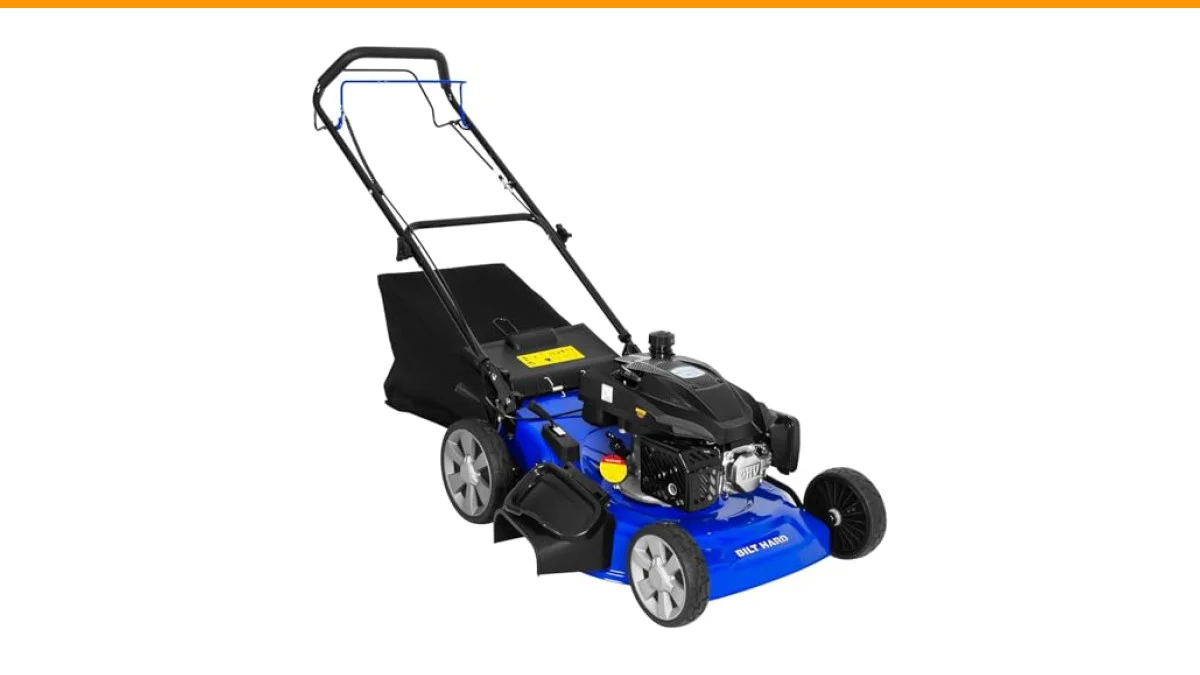
BILT HARD 21" Self Propelled Gas Lawn Mower – 201cc 4-Cycle OHV, 3-in-1 Bagging/Mulching/Side Discharge, 8 Adjustable Cutting Heights & Smooth Easy Start
- Efficient & Versatile Mowing Solution This 21-inch self-propelled lawn mower features a durable 3-in-1 steel deck with mulching, s…
- Self-Propelled Functionality Equipped with rear-wheel drive and single-speed self-propelled technology, this mower glides smoothly…
- Reliable Performance Powered by a robust 201cc 4-stroke OHV engine delivering 9.0 ft·lb of torque, this gas-powered mower provides…
We cover drive systems, engine size, deck materials, and the little details that make daily use pleasant or painful. You’ll also see a specific model that handles most of these requirements well, plus a comparison table to help you weigh your options.
One model that checks several boxes is the BILT HARD 21″ Self Propelled Gas Lawn Mower. It pairs a 201cc OHV engine with rear-wheel drive, which is the combination most people need for typical residential lots. The 3-in-1 deck gives you mulching, bagging, or side discharge without buying extra parts.
Why Drive Type Matters More Than Horsepower
Most people shop for engine size first. That is a mistake. The drive system determines how the mower feels. The engine just determines how well it cuts.
There are three main drive configurations:
- Front-wheel drive (FWD): The front wheels pull the mower. This works fine on flat, level ground. It is lighter and often cheaper. But on a slope, the front wheels lose traction, especially if the grass is damp. You end up pushing more than you expected.
- Rear-wheel drive (RWD): The rear wheels push the mower forward. This gives you better traction on hills because the weight of the engine sits over the drive wheels. RWD feels more stable when turning and handles uneven terrain better. It is the right choice for most yards with any slope at all.
- All-wheel drive (AWD): All four wheels pull. This is for serious hills and heavy conditions. You pay more, and the mower weighs more. Unless your yard is a mountain, you likely do not need it.
Consider your yard’s slope before anything else. If you have a ditch, a bank, or a gentle rise near the street, choose RWD. The self propelled mower for 1 acre guide covers larger yard considerations in detail.
Engine Size and Starting: The Real Trade-Offs
Engine displacement is measured in cubic centimeters (cc). More cc means more torque. That matters when the grass is thick or damp.
- 140cc – 160cc: Good for small, flat yards under a quarter acre. These engines are lighter and use less fuel. They struggle with tall, wet grass.
- 160cc – 190cc: The sweet spot for most suburban lots. You get enough power to cut through normal conditions without hauling around a heavy block of iron.
- 190cc – 223cc: Best for large yards, thick Bermuda, or uneven ground. The extra torque means you rarely bog down, but the mower weighs more.
Starting systems matter just as much. A traditional pull start requires a certain technique. You need to pull the cord smoothly and fast. If you have shoulder issues or less grip strength, look for a mower with a no-choke, no-primer design. The BILT HARD model uses that system, and it removes the guesswork of fiddling with a choke lever before every start.
Electric start is another option. You push a button, and the engine turns over. This adds weight and cost, but it is worth it for anyone who struggles with pull cords. The trade-off is the battery adds complexity and another component to maintain.
Deck Design: Bagging, Mulching, and the Width Question
Deck width determines how many passes you make. A 21-inch deck is the standard for residential mowers. It fits through most gates and stores easily. A 22-inch deck cuts a slightly wider path, which saves time on open lawns but can be awkward in tight spaces.
The bigger decision is the cutting and discharge system. You have three options:
- Mulching: The blade chops grass finely and drops it back onto the lawn. This returns nitrogen to the soil. You do not need to empty a bag, but you need to mow more frequently. If the grass is too long, mulching leaves clumps.
- Bagging: A rear bag collects clippings. This gives you the cleanest look and is necessary if you have a lawn service contract that requires removal. The downside is you stop to empty the bag often.
- Side discharge: Grass shoots out the side. This is the fastest method, but it leaves windrows that you might need to rake.
A 3-in-1 deck gives you all three options. You switch by inserting or removing a plug and attaching the bag. The 3-in-1 self propelled mower page explains how to pick between these modes for different seasons. For example, mulching works well in spring when grass grows fast, but bagging is better in fall when leaves cover the lawn.
Deck material is another factor. Stamped steel is common and affordable. It can rust if you do not clean it. Aluminum decks resist rust and weigh less, but they dent more easily. Fabricated steel decks are the heaviest and most durable, but you rarely find them on residential mowers under $500.
Cutting Height Adjustments and Ergonomics
You need to adjust cutting height more often than you think. Grass should be cut at different heights depending on the season. In summer, taller grass shades the soil and retains moisture. In spring, you can cut it shorter.
Look for a single-lever adjustment that moves all four wheels at once. Individual wheel levers mean you have to bend down four times and guess if they are even. A single lever saves time and ensures a level cut.
The BILT HARD mower offers eight positions from 1.2 inches to 3.75 inches. That range covers most grass types. For warm-season grasses like Bermuda, you might keep it at the lower end. For cool-season fescue, you will want it higher.
Handle design is often overlooked. A foam-wrapped handle reduces vibration and prevents blisters on long mows. Angled handles let you walk naturally instead of hunching. If you are tall, check whether the handle height adjusts. A fixed handle that is too low forces you to bend, which leads to back pain.
Comparison: Key Specs Across Popular Configurations
| Feature | BILT HARD 21″ Self Propelled | Typical Entry-Level RWD | Typical Premium AWD |
|---|---|---|---|
| Engine Displacement | 201cc OHV | 150cc – 170cc | 190cc – 223cc |
| Drive Type | Rear-Wheel | Rear-Wheel | All-Wheel |
| Deck Width | 21 inches | 20 – 21 inches | 21 – 22 inches |
| Cutting Height Range | 1.2″ – 3.75″ | 1.0″ – 3.5″ | 1.0″ – 4.0″ |
| Discharge Options | 3-in-1 (Bag, Mulch, Side) | 2-in-1 (Bag, Mulch) | 3-in-1 |
| Starting System | No-Choke, No-Primer | Pull Start with Choke | Electric Start / Pull |
| Best For | Medium yards with slopes | Flat, small lots | Large, steep properties |
This table shows why the BILT HARD unit sits in a practical middle ground. It gives you the engine torque of a larger machine without the weight penalty of an AWD system. The no-choke starting removes a common frustration point.
What People Actually Ask Before Buying
Is a self-propelled mower worth the extra cost?
For most people, yes. The drive system saves your arms and shoulders from doing the pushing. If your yard is over 3,000 square feet or has any slope, the extra money buys back physical energy every single mow. On a tiny, flat yard, you might be fine with a push mower.
How fast should the self-propelled speed be?
Most single-speed mowers move at a fixed walking pace. That is fine for most people. If you are taller or walk faster, a variable-speed drive lets you match the mower to your stride. A single-speed model like the BILT HARD takes a few minutes to get used to. You adjust your walking pace rather than the machine.
Can I use a self-propelled mower on a steep hill?
You can, but you need the right drive type. Rear-wheel drive handles moderate slopes well. For very steep banks, look for AWD. Also, mow across the slope rather than up and down when possible. This reduces strain on the drive system and gives a cleaner cut.
How often do I need to sharpen the blade?
Sharpen the blade at least once a season. If you mow over sandy soil or hit rocks, you might need to do it twice. A dull blade tears the grass instead of cutting it. This leaves brown tips and makes the lawn look ragged. You can sharpen it yourself with a file or take it to a shop.
Should I drain the gas at the end of the season?
Yes. Gas with ethanol degrades over a few months and can clog the carburetor. Use a fuel stabilizer if you plan to store the mower for more than 30 days. Or run the mower dry by letting it idle until it stops. This simple step prevents most starting problems next spring.
What to Do With This Information
You now have a clear picture of what separates a good mower from a frustrating one. Here is the short version:
- Measure your yard’s slope before choosing drive type. Rear-wheel drive fits most homes.
- Match engine size to grass conditions, not just lot size. Thick grass needs more torque.
- Pick a 3-in-1 deck for flexibility. You can adapt to seasons and conditions without buying new parts.
- Look for a single-lever height adjustment. It saves time and prevents uneven cuts.
- Check the starting system. No-choke, no-primer designs reduce hassle, especially if you have less grip strength.
- Set your cutting height based on grass type, not a calendar. Taller grass in summer protects the roots.
- Maintain the blade and fuel system. Sharp blades and fresh gas prevent most common breakdowns.
If you want to see more options, the self propelled gas mower roundup covers other models in this category. Choose the one that matches your specific yard conditions, and you will look forward to mowing instead of dreading it.


