Understanding Patchy Lawns: Causes and Solutions
Contents
Imagine stepping outside to your lawn, only to find unsightly patches of brown and barren ground where vibrant green grass should be. It’s frustrating and can feel overwhelming. But don’t despair, because understanding why your lawn is patchy is the first step toward restoring it to its former glory.
This article will guide you through the common causes of patchy lawns, effective solutions, and how to choose the right products to help revive your grass. Whether you’re dealing with a small spot or a larger area, you’ll walk away equipped with the knowledge to tackle your lawn’s issues.
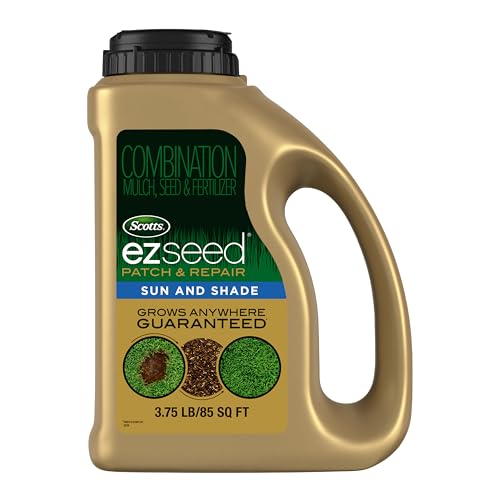
Scotts
Scotts EZ Seed Patch & Repair for Sun and Shade, 3.75 lbs. | Combination Mulch, Sun and Shade Grass Seed & Fertilizer for Bare Spots & Lawn Patch Repair, Covers up to 85 sq. ft.
- WHEN TO APPLY : This lawn seed mix of Kentucky bluegrass seed, perennial ryegrass, and fine fescue grass seed germinates best when…
- PATCH & REPAIR: Scotts EZ Seed Patch & Repair Sun and Shade is a revolutionary grass seeding product that makes grass patch repair…
- COVERAGE: One 3.75 lb. jug of EZ Seed Patch & Repair lawn grass seed mix covers up to 85 sq. ft. in 3 easy steps: prep the area, e…
For those looking for a practical solution, consider using Scotts EZ Seed Patch & Repair for Sun and Shade. This product combines grass seeds with mulch and fertilizer, making it ideal for filling in bare spots and repairing lawn damage.

Common Causes of Patchy Lawns
Okay, but how much does this actually matter? Knowing the reasons behind a patchy lawn can save you time and resources. Here are some of the most common culprits:
- Improper Watering: Inconsistent watering can lead to dry patches. Grass typically needs about 1 to 1.5 inches of water per week, including rainfall.
- Pest Infestation: Grubs and other pests can destroy grass roots, leading to dead patches. Regularly checking for signs of infestation is crucial.
- Soil Compaction: High traffic areas can compact soil, preventing grass roots from receiving necessary nutrients and water.
- Fungal Diseases: Various fungi can cause spots or patches. Identifying the type of fungus can help in choosing the right treatment.
Environmental Factors to Consider
What about the environment? Certain conditions can exacerbate patchiness. Here are some considerations:
- Sunlight Exposure: Grass types have specific sunlight needs. If a shade-tolerant type is planted in full sun, or vice versa, patchiness may occur.
- Soil Quality: Poor soil health can lead to nutrient deficiencies. Testing soil pH and nutrient levels can help identify issues.
- Seasonal Changes: Grass growth varies with seasons. A lawn may look patchy during dormancy, especially in colder climates.
Effective Solutions for Repairing Patchy Lawns
So, how can you fix a patchy lawn? Here are some steps to consider:
- Assess the Damage: Identify the areas that need attention and determine if the cause is environmental, pest-related, or due to maintenance.
- Correct Watering Practices: Ensure your lawn gets adequate water. Use a rain gauge to track weekly rainfall and adjust your watering schedule accordingly.
- Use Quality Seed Mix: Products like Scotts EZ Seed Patch & Repair are designed for various conditions and provide a good chance for successful germination.
- Improve Soil Health: Aerate compacted soil to allow air and nutrients to penetrate, promoting healthier grass roots.
Comparing Repair Methods for Patchy Lawns
| Method | Pros | Cons |
|---|---|---|
| Overseeding | Improves density, works for minor patchiness. | May not work for larger bare patches. |
| Patch Repair Mix | Targeted solution for specific areas, quick results. | Requires proper application and care. |
| Soil Amendment | Boosts overall lawn health, long-term benefits. | Time-consuming, requires testing and adjustment. |
How can I tell if my lawn needs more water?
Look for signs like wilting grass or a dull color. If footprints remain visible after walking, your lawn likely needs water.
What kind of grass is best for patchy areas?
Choose a seed mix designed for your climate and sunlight conditions. Kentucky bluegrass and perennial ryegrass work well in many regions.
Can I apply fertilizer to patchy areas?
Yes, but use a balanced fertilizer. Over-fertilizing can worsen patchiness by burning grass roots.
Is it possible to prevent patchy lawns in the future?
Yes, maintaining proper watering, soil health, and regular pest checks can help prevent future issues.
How long does it take for grass seed to germinate?
Typically, grass seed takes 7 to 14 days to germinate, depending on the type and environmental conditions.
Practical Steps for Lawn Care
- Identify the cause of patchiness quickly.
- Water consistently and correctly.
- Choose quality grass seed for repairs.
- Aerate and amend soil to promote health.
- Regularly check for pests and diseases.
- Consider seasonal changes and adjust care accordingly.
Taking these steps will put you in a much better position to manage and repair your lawn successfully. With the right approach, your lawn can be transformed from patchy to lush green, creating a beautiful outdoor space you can enjoy.