

Understanding Thin Grass
Many homeowners face the frustration of thin grass in their lawns. It often presents as patchy, weak, or sparse areas that detract from the overall beauty of your yard. This problem can stem from various factors like poor soil quality, inadequate watering, or pest infestations. Understanding the root causes is essential to effectively address the issue and restore your lawn to its former glory.
This article will guide you through practical steps to fix thin grass, ensuring you have a greener, healthier lawn. You’ll learn about the importance of soil health, optimal watering practices, and the right types of grass seeds to use for your specific conditions.
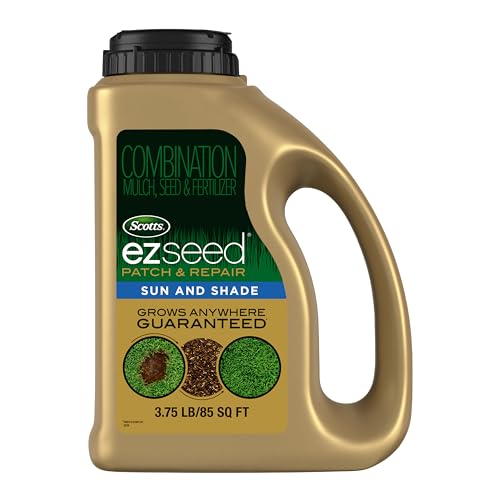
Scotts
Scotts EZ Seed Patch & Repair for Sun and Shade, 3.75 lbs. | Combination Mulch, Sun and Shade Grass Seed & Fertilizer for Bare Spots & Lawn Patch Repair, Covers up to 85 sq. ft.
- WHEN TO APPLY : This lawn seed mix of Kentucky bluegrass seed, perennial ryegrass, and fine fescue grass seed germinates best when…
- PATCH & REPAIR: Scotts EZ Seed Patch & Repair Sun and Shade is a revolutionary grass seeding product that makes grass patch repair…
- COVERAGE: One 3.75 lb. jug of EZ Seed Patch & Repair lawn grass seed mix covers up to 85 sq. ft. in 3 easy steps: prep the area, e…
One product that can assist in this process is Scotts EZ Seed Patch & Repair for Sun and Shade. This grass seed mix is designed for easy application and effective results, making it an excellent choice for repairing thin areas.
Identifying the Causes of Thin Grass
Before taking action, it’s crucial to identify why your grass is thin. Here are the common reasons:
- Poor Soil Quality: Nutrient-deficient soil can hinder grass growth. Conducting a soil test can help you understand its pH and nutrient levels.
- Inadequate Watering: Both overwatering and underwatering can stress grass. Aim for about 1 to 1.5 inches of water per week.
- Compacted Soil: Compaction can prevent roots from penetrating deeply. Aeration can relieve this pressure.
- Improper Sunlight: Different grass types require different light conditions. Ensure your grass type matches the sunlight available.
- Pests and Diseases: Insects and fungal diseases can weaken your grass. Regular inspections can help catch these issues early.
Effective Strategies to Fix Thin Grass
Once you identify the causes, implement the following strategies to restore your lawn:
1. Improve Soil Quality
Enhancing soil quality should be your first step. Start by aerating the soil to allow air, water, and nutrients to reach the roots. This process can be done using a manual or mechanical aerator. After aeration, apply organic matter like compost to enrich the soil.
2. Adjust Watering Practices
Watering deeply and infrequently is key. Lawns typically need about 1 to 1.5 inches of water per week. Water in the early morning to reduce evaporation and fungal diseases. Use a rain gauge to measure your watering accurately.
3. Choose the Right Grass Seed
Selecting the right grass seed for your environment is crucial. For sun-drenched lawns, Kentucky bluegrass works well, while fine fescue is great for shady areas. The Scotts EZ Seed Patch & Repair mix contains a combination of high-performance grass seeds suited for various conditions, making it a reliable choice.
4. Fertilize Appropriately
Applying the right fertilizer can give your grass the nutrients it needs. A slow-release fertilizer is beneficial as it provides nutrients over time. Follow the manufacturer’s instructions for application rates to avoid over-fertilizing, which can harm your lawn.
5. Control Weeds and Pests
Weeds compete with grass for resources. Regularly inspect your lawn for weeds and remove them manually or with appropriate herbicides. Additionally, keep an eye out for pests. If you notice signs of infestation, consider treatments that are safe for your grass type.
Comparative Table of Grass Repair Methods
| Method | Description | Best For |
|---|---|---|
| Aeration | Relieves soil compaction and allows nutrients to reach roots. | All lawns with compacted soil. |
| Overseeding | Involves spreading grass seed over existing grass to fill in thin areas. | Lawns with bare patches or thinning areas. |
| Topdressing | Adding a thin layer of compost or soil to improve soil quality. | Lawns needing soil improvement. |
| Using Seed Mixes | Seed mixes like Scotts EZ Seed are designed for specific environments. | All lawns, especially those with varying sunlight conditions. |
Frequently Asked Questions
What is the best time to fix thin grass?
The best time to repair thin grass is during the growing season, typically in spring or early fall when temperatures are moderate and there’s no risk of frost.
How long does it take for grass seed to germinate?
Grass seed germination varies by type, but most seeds will germinate within 7 to 14 days under optimal conditions.
Can I overseed a lawn with existing grass?
Yes, overseeding is a common practice to thicken grass. Ensure you mow the existing grass low before overseeding, and keep the area well-watered.
How do I know if my soil is compacted?
You can test for soil compaction by pushing a screwdriver into the ground. If it’s difficult to penetrate, your soil is likely compacted.
Can I fix thin grass without using chemicals?
Yes, many natural methods exist to improve lawn health, including aeration, overseeding, and organic fertilizers.
Actionable Takeaways for a Lush Lawn
- Conduct a soil test to assess nutrient levels.
- Aerate your lawn to relieve soil compaction.
- Water deeply, aiming for 1 to 1.5 inches per week.
- Choose the right grass seed for your lawn’s conditions.
- Regularly inspect for weeds and pests.
- Use organic fertilizers to improve soil health.
- Consider using products like Scotts EZ Seed for effective patch repairs.



