
Gardening can be a fulfilling hobby, especially when it comes to planting annual flowers. Imagine stepping into your garden and being greeted by a burst of color and fragrance throughout the summer months. However, timing plays a critical role in ensuring your flowers thrive. Knowing when to plant annual flowers allows you to enjoy their beauty at its peak and can significantly impact their growth and blooming period.
This guide provides you with essential information on when to plant annual flowers based on your local climate, the specific varieties you’re considering, and your gardening goals. Whether you’re an experienced gardener or just starting, you’ll leave with actionable insights to enhance your gardening experience.

HOME GROWN
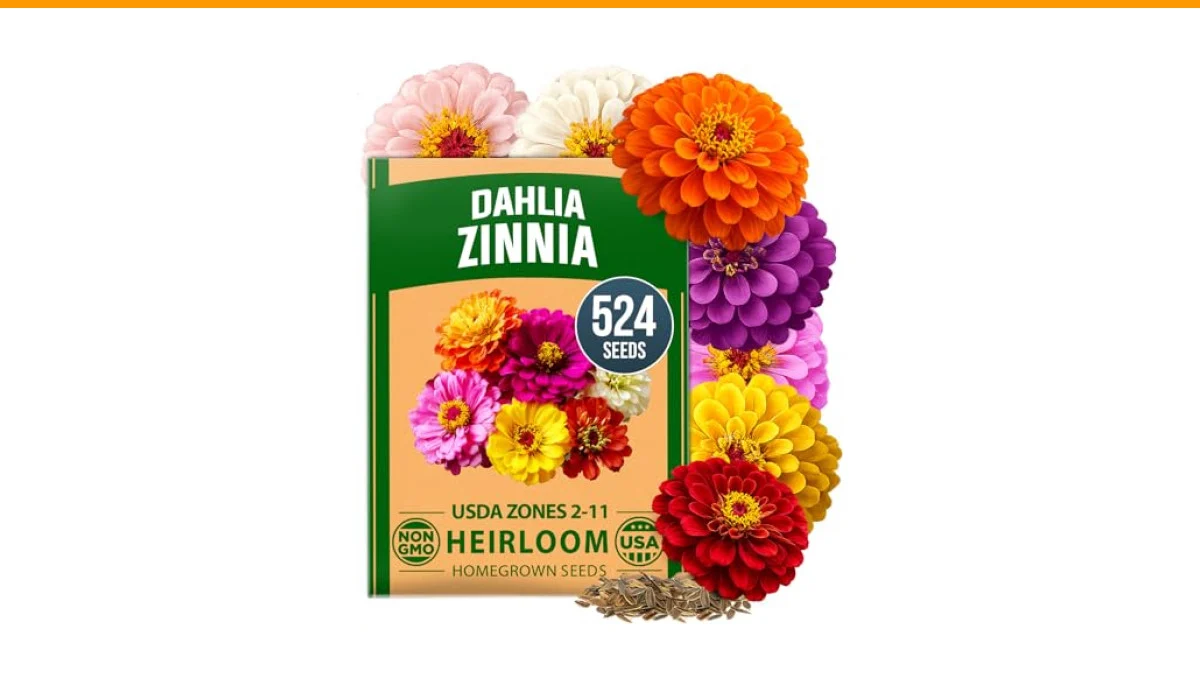
HOME GROWN Zinnia Dahlia Seeds, 524 Seeds, Zinnia elegans | High Germination, Heirloom, Non-GMO | 524 Seeds | Vibrant Blooms | Outdoor | Pollinator Gardens | Borders & Containers
- 524 PREMIUM SEEDS – BRILLIANT COLOR, FAST GROWTH: This large pack includes 524 USA-packed, high-germination Zinnia Dahlia seeds th…
- A TRUE GARDEN ARISTOCRAT WITH STRIKING FORM: Zinnia Dahlia is a radiant floral showstopper, beloved for its uniquely bold shape an…
- RED FOR EXCEPTIONAL COLOR, SHAPE, AND VARIETY: Decades of horticultural development have resulted in this magnificent line of Zinn…
One excellent choice to consider for your garden is the HOME GROWN Zinnia Dahlia Seeds. With 524 premium seeds, these zinnias promise vibrant blooms that will elevate any garden space. They’re easy to grow and perfect for beginners, making them a fantastic option for your first planting.
Understanding Planting Zones
Your planting zone is crucial in determining when to plant annual flowers. The USDA Plant Hardiness Zone Map divides the United States into various zones based on average annual minimum temperatures. Here’s a quick breakdown:
- Zone 1-3: Late spring (May).
- Zone 4-5: Mid to late spring (April to May).
- Zone 6-7: Early to mid-spring (March to April).
- Zone 8-10: Early spring (February to March).
It’s essential to check your specific zone to ensure you plant at the right time. For example, in Zone 6, the last frost typically occurs in mid-April, making it an ideal time for planting annuals like marigolds and zinnias.
Optimal Planting Conditions
Aside from knowing your zone, understanding the optimal conditions for planting annual flowers is vital. Here’s what to consider:
- Soil Temperature: Most annual flowers thrive when soil temperatures reach at least 60°F (15°C). Use a soil thermometer to check.
- Frost Dates: Keep track of your area’s last frost date. It’s often best to wait a week or two after this date to ensure warmer soil conditions.
- Sunlight Requirements: Most annuals require full sun (at least 6 hours of direct sunlight daily). Ensure your planting site meets these needs.
Many gardeners will start seeds indoors 6-8 weeks before the last frost date. This can give you an early start on the growing season.
Common Annual Flowers and Their Planting Times
Different annual flowers have varying needs and ideal planting times. Here are a few popular choices:
| Flower Type | Ideal Planting Time | Notes |
|---|---|---|
| Marigolds | After the last frost | Great for pest control. |
| Zinnias | After the last frost | Fast-growing and vibrant. |
| Petunias | 2 weeks after the last frost | Requires full sun. |
| Snapdragons | Early spring | Can tolerate some frost. |
Choosing the right annual flower is just as important as knowing when to plant. For instance, zinnias, like the HOME GROWN Zinnia Dahlia Seeds, are a colorful, easy-to-grow option that blooms all summer long.
How do I know when to plant my annual flowers?
Check your local frost dates and soil temperatures. Most gardeners plant annual flowers after the last frost has passed and when the soil is warm enough.
Can I plant annual flowers in pots?
Yes, annual flowers can thrive in pots. Ensure the pot has sufficient drainage and use high-quality potting soil.
What annual flowers bloom all summer?
Popular choices include zinnias, marigolds, and petunias. These varieties provide continuous blooms throughout the growing season.
Is it better to start seeds indoors or outdoors?
Starting seeds indoors can give you a head start, especially in cooler climates. However, direct sowing outdoors is often easier for larger seeds.
Can I plant annual flowers in the fall?
Generally, annual flowers are best planted in spring. However, in warmer climates, some may survive through mild winters.
Final Thoughts on Planting Annual Flowers
- Know your planting zone and last frost dates.
- Check soil temperature before planting.
- Consider starting seeds indoors for an early start.
- Choose flowers that suit your climate.
- Plan for adequate sunlight and drainage.
- Use quality seeds like the HOME GROWN Zinnia Dahlia Seeds.
- Enjoy the beauty and color of your garden all summer long.
With this guide, you’re now equipped to tackle your annual flower planting confidently. Happy gardening!


