
Many homeowners face the struggle of maintaining a beautiful lawn. You may find yourself wondering how short or long to cut your grass to achieve that lush, green look. The truth is, the best height to mow grass depends on several factors, including the type of grass you have, the season, and your lawn’s specific conditions. Understanding these nuances will help you cultivate a healthier lawn.
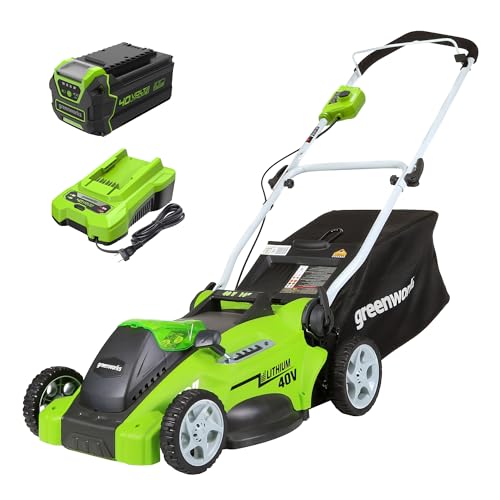
In this article, you’ll learn the optimal mowing heights for various grass types, why height matters for your lawn’s health, and how to adjust your mowing techniques accordingly. For those looking for a reliable and efficient mowing solution, the Greenworks 40V 16in Push Lawn Mower offers an excellent choice. Its lightweight design and adjustable height settings make it easier to achieve the perfect cut.
Greenworks
Greenworks 40V 16in Push Lawn Mower, 4.0 Ah Battery and Charger | Quiet walk-behind mower with push-button start; gas-free operation eliminates fumes and pull starts
- [16" LAWN MOWER] - This 40V lawn mower cuts up to 1/3 acre with fully charged 4.0Ah battery (varies based on grass condition and o…
- [ULTRA LIGHTWEIGHT] - 35% lighter than steel deck mowers
- [SINGLE LEVER HEIGHT ADJUST] - 5 position height adjustment

Understanding Grass Types
Before you set your mower, it’s crucial to identify the type of grass in your yard. Common grass types include cool-season and warm-season grasses, each with its own ideal mowing height.
Cool-Season Grasses
Cool-season grasses thrive in the northern regions and grow best in spring and fall. Some popular varieties include Kentucky Bluegrass, Fescue, and Ryegrass. For these grasses, the recommended mowing height is typically between 2.5 to 4 inches. Keeping them at this height helps the grass develop deeper roots and resist drought.
Warm-Season Grasses
Warm-season grasses, such as Bermuda, Zoysia, and St. Augustine, perform best in the southern climates. The suggested mowing height for these varieties ranges from 1 to 3 inches. Mowing them too short can lead to stress and increased susceptibility to pests.
Why Height Matters
Your grass height affects more than just aesthetics. Cutting grass too short can stress it, making it more vulnerable to diseases and pests. Longer grass blades provide shade for the roots, reducing soil temperature and moisture loss. Here’s a quick breakdown of why height matters:
- Root Development: Taller grass encourages deeper root systems.
- Weed Control: Healthy grass can outcompete weeds for nutrients and light.
- Moisture Retention: Longer blades help retain soil moisture.
Mowing Techniques and Tips
To achieve the best height for your grass, consider these techniques:
- Adjust Your Mower: Use a mower with adjustable height settings, like the Greenworks model mentioned earlier. This allows for easy height changes based on your lawn’s needs.
- Follow the One-Third Rule: Never cut more than one-third of the grass blade in a single mowing. This helps maintain healthy growth.
- Keep Blades Sharp: A sharp blade makes clean cuts, reducing stress on the grass.
As you refine your mowing practices, remember that grass types may require different approaches. So, what’s the best height to mow grass? It varies based on type, season, and your lawn’s specific needs.
| Grass Type | Ideal Mowing Height | Best Season |
|---|---|---|
| Kentucky Bluegrass | 2.5 – 4 inches | Spring/Fall |
| Fescue | 3 – 4 inches | Spring/Fall |
| Bermuda | 1 – 2 inches | Summer |
| Zoysia | 1 – 3 inches | Summer |
| Ryegrass | 2 – 3 inches | Spring/Fall |
How often should I mow my lawn?
Most lawns need mowing every 1-2 weeks during the growing season. Adjust based on grass growth and weather conditions.
Can I use the same height for all grass types?
No, different grass types have varying optimal heights. Follow the guidelines specific to your grass type for the best results.
What happens if I mow too low?
Mowing too low can stress the grass, making it more susceptible to diseases and pests. It may also lead to brown patches.
Is it better to mow wet or dry grass?
Always mow dry grass. Wet grass can clump and lead to uneven cutting. Plus, it can cause your mower to bog down.
How does weather affect mowing height?
During hot, dry weather, higher mowing heights can help the grass retain moisture. In cooler seasons, lower heights may be acceptable.
By now, you should have a clearer picture of the best height to mow grass. Tailoring your mowing practices to your specific lawn conditions can lead to a healthier, more vibrant yard. Keep these points in mind:
- Identify your grass type and its preferred height.
- Adjust mower height settings to suit seasonal growth.
- Adhere to the one-third rule when mowing.
- Sharpen mower blades regularly.
- Mow when the grass is dry for an even cut.
- Monitor your lawn’s health and adjust practices as necessary.
- Consider using a reliable mower like the Greenworks 40V model for ease and efficiency.



