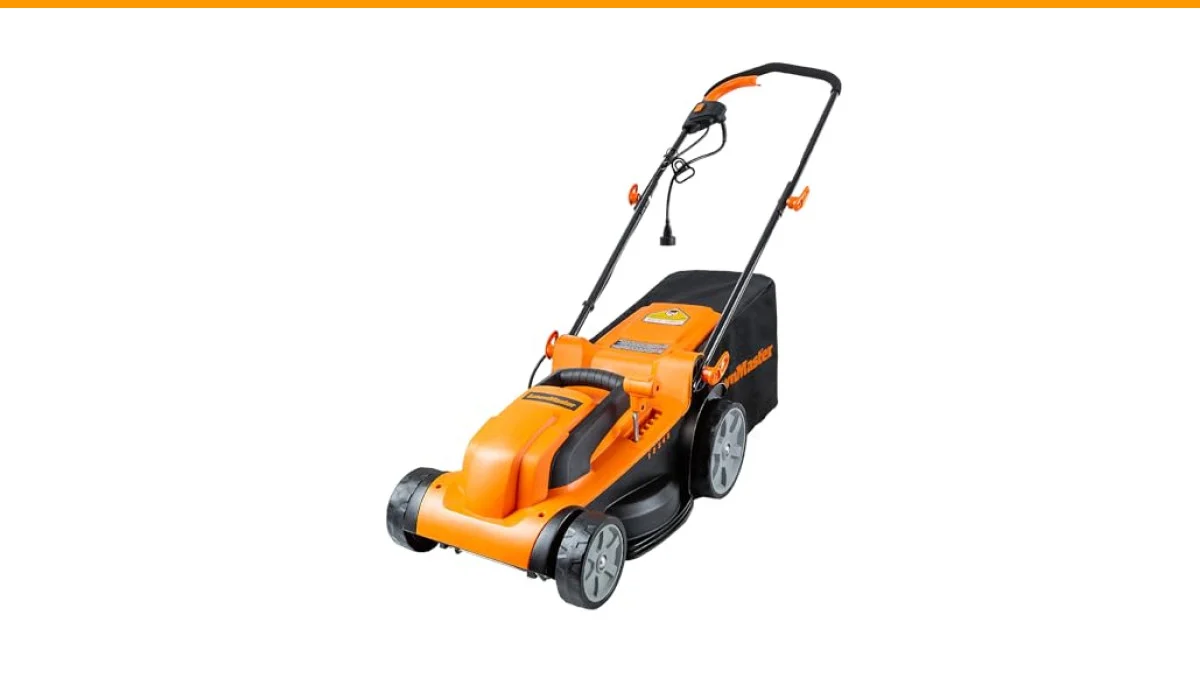
Maintaining a beautiful lawn is a task many homeowners take seriously. As the grass grows, the need for a reliable and efficient lawn mower becomes apparent. Different types of lawn mowers cater to various lawn sizes, terrain types, and personal preferences. Understanding these options can significantly impact your mowing experience and the overall health of your lawn.
This article will explore the various types of lawn mowers, detailing their unique features, advantages, and ideal usage scenarios. Whether you’re dealing with a small urban yard or a sprawling estate, you’ll find insights here to help you select the best mower for your needs.

American Lawn Mower Company
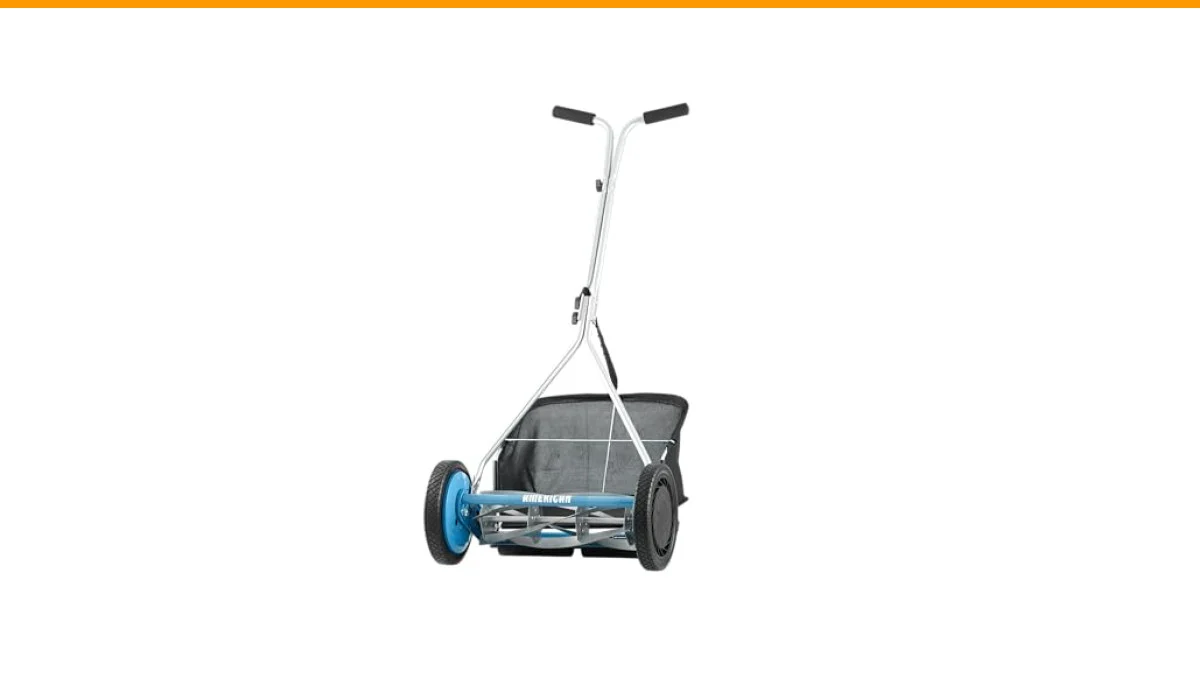
American Lawn Mower 1604-16 16" 5-Blade Reel Mower with Grass Catcher
- CLEAN 16-INCH REEL CUT – The five-blade reel provides a scissor-like cut across a 16-inch cutting width on dry, regularly maintain…
- 1/2- TO 2-1/2-INCH CUTTING RANGE – Multiple wheel and roller positions provide cutting heights from 1/2 to 2-1/2 inches. Height ad…
- MANUAL, ENGINE-FREE OPERATION – Push-powered design requires no gas, oil, batteries, charging or electrical cords. It operates mor…
For those considering a more traditional approach, the American Lawn Mower 1604-16 16″ 5-Blade Reel Mower with Grass Catcher offers a clean, manual mowing experience. Its five-blade reel provides a precise cut and is best suited for regularly maintained grass, making it a solid choice for smaller, flat lawns.
Types of Lawn Mowers
When it comes to lawn mowers, several categories exist, each designed for specific needs and circumstances. Here’s a detailed breakdown of the most common types:
1. Reel Mowers
Reel mowers operate manually and are often favored for their environmentally friendly design. They use a series of blades that rotate as the mower is pushed forward, cutting grass in a scissor-like fashion. These mowers are ideal for small, flat lawns and well-maintained grass. The American Lawn Mower 1604-16 is an excellent example of a reel mower, featuring a 16-inch cutting width and a grass catcher.
- Best For: Small, flat lawns
- Cutting Width: 14 to 20 inches
- Power Source: Manual
- Pros: Quiet, environmentally friendly, low maintenance
- Cons: Not suitable for tall grass or uneven terrain
2. Rotary Mowers
Rotary mowers are the most common type of mower found in residential settings. They feature a single blade that spins horizontally beneath the mower deck, effectively cutting grass at various heights. These mowers can be powered by gas or electricity and are suitable for a wide range of lawn sizes.
- Best For: Medium to large lawns
- Cutting Width: 20 to 30 inches
- Power Source: Gas or electric
- Pros: Versatile, can handle thick grass
- Cons: Can be noisy, higher maintenance
3. Zero-Turn Mowers
Zero-turn mowers offer incredible maneuverability, allowing users to turn in place thanks to their unique steering system. These mowers are particularly effective for intricate lawns with lots of landscaping features. They can be gas or battery-powered, making them suitable for larger properties.
- Best For: Large, complex lawns
- Cutting Width: 30 to 60 inches
- Power Source: Gas or battery
- Pros: Fast, efficient, excellent for tight spaces
- Cons: More expensive, requires more skill to operate
4. Riding Mowers
Riding mowers allow the operator to sit while mowing, making them suitable for large properties. They come in various types, including lawn tractors and garden tractors, each designed for different tasks. These mowers are typically gas-powered and feature a wide cutting deck.
- Best For: Large properties
- Cutting Width: 30 to 60 inches
- Power Source: Gas
- Pros: Comfortable, efficient for large areas
- Cons: Expensive, requires storage space
5. Robotic Mowers
Robotic mowers represent the latest in lawn care technology. These autonomous devices can be programmed to mow your lawn without human intervention. They are best for small to medium-sized lawns and are generally electric-powered.
- Best For: Small to medium lawns
- Cutting Width: 20 to 30 inches
- Power Source: Electric
- Pros: Convenient, minimal manual effort required
- Cons: Higher upfront cost, may struggle with complex landscapes
Comparison Table of Lawn Mower Types
| Type | Best For | Cutting Width | Power Source | Pros | Cons |
|---|---|---|---|---|---|
| Reel Mower | Small, flat lawns | 14 to 20 inches | Manual | Quiet, environmentally friendly | Not for tall grass |
| Rotary Mower | Medium to large lawns | 20 to 30 inches | Gas or electric | Versatile, handles thick grass | Can be noisy |
| Zero-Turn Mower | Large, complex lawns | 30 to 60 inches | Gas or battery | Fast, efficient | More expensive |
| Riding Mower | Large properties | 30 to 60 inches | Gas | Comfortable, efficient | Requires storage space |
| Robotic Mower | Small to medium lawns | 20 to 30 inches | Electric | Convenient, minimal effort | Struggles with complex landscapes |
Frequently Asked Questions
What type of lawn mower is best for a small lawn?
For a small lawn, a reel mower or a small rotary mower is typically best. Reel mowers, like the American Lawn Mower 1604-16, are quiet and eco-friendly, while small rotary mowers can handle varying grass heights.
How do I choose the right lawn mower?
Consider your lawn size, terrain, and personal preferences. If you have a small, flat yard, a reel mower may suffice. For larger lawns, a rotary or riding mower would be more efficient.
Are electric mowers better than gas mowers?
Electric mowers are generally quieter, require less maintenance, and are more environmentally friendly. Gas mowers tend to offer more power and are suitable for larger, more challenging lawns.
Can robotic mowers handle slopes?
Most robotic mowers can handle slight slopes, but steep inclines may pose a challenge. Always check the manufacturer’s specifications to ensure your mower can manage your lawn’s terrain.
How often should I mow my lawn?
Typically, you should mow your lawn once a week during the growing season. However, this may vary based on grass type and weather conditions. Keeping grass at a height of 2.5 to 3 inches helps promote healthy growth.
Final Thoughts
- Consider your lawn size and terrain when selecting a mower.
- Reel mowers are great for small, well-maintained lawns.
- Rotary mowers offer versatility for medium to large lawns.
- Zero-turn mowers are ideal for complex landscapes.
- Riding mowers provide comfort for vast properties.
- Robotic mowers are convenient but may struggle with steep slopes.
- Regular mowing keeps your lawn healthy and looking its best.