

Introduction
Roses are a beloved staple in gardens and landscapes, but they often attract unwanted pests. Whether it’s aphids, spider mites, or whiteflies, these pests can wreak havoc on your beautiful blooms. The challenge lies in managing these pests without resorting to harsh chemicals that can damage the environment, your plants, and even your health.
This article will guide you through various organic rose pest control methods. You’ll learn how to identify common pests, employ preventative measures, and utilize organic solutions to maintain a vibrant rose garden.
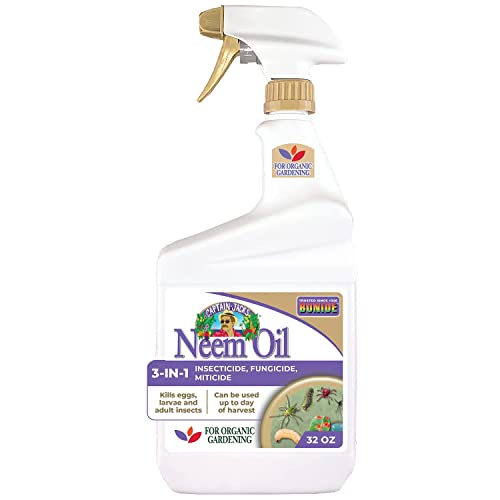
Bonide
Bonide Captain Jack's Neem Oil Spray for Plants, 32 oz Ready-to-Use | 3-in-1 Protection Against Insects, Diseases and Mites, For Indoor and Outdoor Plants, Approved for Organic Gardening
- Protect your oasis with 3 garden products in 1 from Captain Jack’s; Bonide Captain Jack’s Ready-to-Use Neem Oil spray for plants i…
- Clarified Hydrophobic Extract of Neem Oil protects your garden from common fungal diseases including rust, powdery mildew and more…
- Captain Jack’s Neem Oil kills eggs, larvae and adult stages of insects to provide full range protection against pests and insects;…
One effective product to consider is Bonide Captain Jack’s Neem Oil. This ready-to-use spray functions as a fungicide, insecticide, and miticide, making it a versatile option for protecting your roses against a variety of pests and diseases.
Identifying Common Pests
Before you can control pests, it’s essential to know what you’re dealing with. Here are some common pests that target roses:
- Aphids: Small, green or black insects that cluster on new growth and buds.
- Spider mites: Tiny, spider-like creatures that cause stippling on leaves.
- Japanese beetles: Metallic green and bronze beetles that skeletonize leaves.
- Whiteflies: Small, white flying insects that cause yellowing leaves.
Regularly inspecting your plants can help catch infestations early. Look for discoloration, deformities, or sticky residue on leaves.
Preventative Measures for Pest Control
Prevention is key to organic rose pest control. Here are some strategies to keep pests at bay:
- Plant Selection: Choose resistant rose varieties. Some species are more tolerant to pests and diseases.
- Companion Planting: Grow beneficial plants alongside roses. Marigolds and lavender attract pollinators and repel pests.
- Regular Maintenance: Prune dead or diseased wood to improve air circulation. Clean up fallen leaves and debris to reduce pest habitats.
- Watering Practices: Water at the base of the plant to keep leaves dry, which discourages fungal diseases.
Implementing these preventative measures can reduce the likelihood of severe pest issues.
Organic Control Methods
If you encounter pests despite preventative efforts, several organic control methods can effectively manage infestations:
- Neem Oil: Derived from the seeds of the neem tree, neem oil disrupts the life cycle of insects. It’s effective against a range of pests and diseases. Using Captain Jack’s Neem Oil can protect your roses without harming beneficial insects when applied correctly.
- Insecticidal Soap: This product suffocates pests on contact. It’s particularly effective against soft-bodied insects like aphids and spider mites.
- Garlic Spray: Blend garlic with water and a few drops of soap, then spray it on affected areas. Its strong odor deters many pests.
- Beneficial Insects: Introduce ladybugs, lacewings, or parasitic wasps to your garden. These natural predators will help control pest populations.
These methods can be used in rotation to prevent pests from developing resistance.
Comparative Overview of Organic Pest Control Methods
| Method | Target Pests | Application Frequency | Benefits |
|---|---|---|---|
| Neem Oil | Aphids, spider mites, whiteflies | Every 7-14 days | Multi-purpose, safe for beneficial insects |
| Insecticidal Soap | Aphids, mealybugs | As needed | Non-toxic, works on contact |
| Garlic Spray | Various pests | Weekly | Natural deterrent, easy to make |
| Beneficial Insects | Multiple pests | As needed | Natural balance, sustainable |
Common Questions About Organic Rose Pest Control
How often should I apply neem oil to my roses?
Apply neem oil every 7-14 days, especially after rain, to maintain effectiveness.
Can I use homemade solutions for pest control?
Yes, many homemade solutions like garlic spray or soapy water can be effective for managing pests.
Are there any pests that neem oil won’t control?
Neem oil is less effective against hard-bodied pests like adult beetles. You may need to use additional methods for them.
Will organic pest control methods harm beneficial insects?
If used correctly, products like neem oil and insecticidal soap can be safe for beneficial insects. Always spray in the evening when pollinators are less active.
What signs indicate my roses are infested with pests?
Look for curling leaves, discoloration, or a sticky residue on leaves. Black sooty mold can also indicate a pest problem.
Final Thoughts and Practical Tips
- Regularly inspect your roses for early signs of pests.
- Use a mix of organic control methods for best results.
- Implement preventative measures to minimize pest problems.
- Consider introducing beneficial insects to your garden.
- Follow instructions carefully when using products like neem oil.
- Stay informed about types of pests specific to your region.
- Remember that patience is key; organic methods may take longer to show results than chemical pesticides.


