
Imagine stepping into your garden, surrounded by a vibrant display of colors and the gentle hum of bees and butterflies at work. This isn’t just a beautiful sight; it’s a crucial step towards supporting our planet’s ecosystems. Annual flowers for pollinators play a vital role in providing food sources for these essential insects, which in turn help our gardens thrive. In this guide, you’ll learn how to choose and cultivate annual flowers that will attract and sustain pollinators, ensuring your garden is not only beautiful but also beneficial.
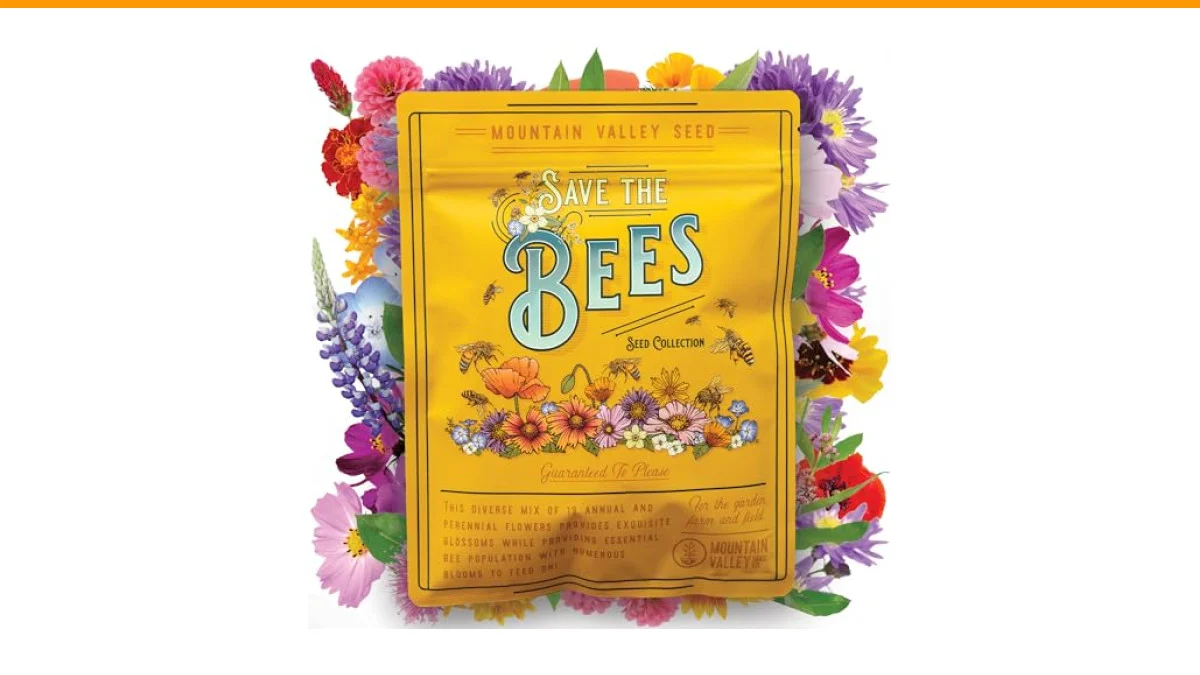
To get started, consider a product like Mountain Valley Seed Co Wildflower Seed 2 Oz. 80,000+ Seeds – Save the Bees. This premium wildflower seed mix includes a variety of annual and perennial flowers that are easy to grow and create a pollinator-friendly environment. With over 80,000 seeds, it’s a fantastic option for planting both in gardens and larger spaces, ensuring your efforts to support pollinators make a significant impact.

Mountain Valley Seed Company
Mountain Valley Seed Co Wildflower Seed 2 Oz. 80,000+ Seeds – Save the Bees | Mix with 19 Non-GMO Varieties – Bee Friendly & Pollinator Wildflower Seed for Planting
- This gorgeous selection of 19 annual and perennial wildflower seeds provides easy-to-grow bee friendly flowers . Wildflower seeds…
- A Mountain Valley Seed Company premium wild flower seed mix. As part of our National Wildflower Seed line, this specialty blend is…
- SEEDS INCLUDED: Butterfly Milkweed, New England Aster, Wallflower, Coreopsis, Cosmos, Sweet Alyssum, Red Corn Poppy seeds, Califor…
Why Choose Annual Flowers for Pollinators?
Annual flowers are often the backbone of a pollinator-friendly garden. They bloom for a single growing season, offering immediate color and habitat for bees, butterflies, and other pollinators. Annuals are typically more diverse in terms of bloom time and flower shape, providing a consistent food source throughout the season. Here are a few reasons to incorporate them into your garden:
- Continuous Bloom: Many annuals bloom from spring until the first frost, ensuring a steady supply of nectar and pollen.
- Variety of Shapes and Sizes: Different flower shapes attract different types of pollinators, catering to a diverse insect population.
- Fast Growth: Annuals germinate quickly and establish themselves faster than perennials, giving you rapid results in your garden.
Top Annual Flowers for Pollinators
When selecting annual flowers for pollinators, look for varieties known to attract these vital insects. Here are some top choices:
- Cosmos: These flowers have a simple, open shape that attracts various pollinators, including bees and butterflies.
- Sunflowers: Not only do they provide seeds for birds, but their large blooms are a magnet for pollinators.
- Zinnias: Zinnias come in multiple colors and sizes and are particularly attractive to butterflies.
- Marigolds: These vibrant flowers deter pests while attracting beneficial pollinators.
- Sweet Alyssum: This low-growing flower produces tiny blooms that are highly fragrant and favored by many pollinators.
How to Plant Annual Flowers for Pollinators
Planting annual flowers to attract pollinators requires some planning and care. Follow these steps for a successful garden:
- Choose the Right Seeds: Select a mix of flowers that bloom at different times to provide consistent food sources.
- Prepare Your Soil: Ensure the soil is well-draining and enriched with organic matter. Test pH levels if possible.
- Sow Seeds: Direct sow seeds after the last frost or start them indoors 6-8 weeks prior. Follow packet instructions for depth and spacing.
- Water Wisely: Water gently to avoid washing away seeds. Keep the soil moist until seedlings are established.
- Maintain Your Garden: Remove weeds and deadheads spent blooms to encourage more flowers. Avoid using pesticides that harm pollinators.
Annual Flowers for Pollinators Comparison
| Flower | Bloom Time | Pollinator Attraction | Growing Conditions |
|---|---|---|---|
| Cosmos | Spring to Fall | Bees, Butterflies | Full Sun, Well-drained Soil |
| Sunflowers | Summer to Fall | Bees, Birds | Full Sun, Average Soil |
| Zinnias | Summer to Frost | Butterflies | Full Sun, Well-draining Soil |
| Marigolds | Spring to Fall | Bees | Full Sun, Moderate Soil |
| Sweet Alyssum | Spring to Frost | Bees, Butterflies | Partial to Full Sun, Well-drained Soil |
Frequently Asked Questions
1. What are the best annual flowers for attracting pollinators?
Flowers such as cosmos, sunflowers, zinnias, marigolds, and sweet alyssum are among the best for attracting pollinators due to their nectar-rich blooms.
2. How can I create a pollinator-friendly garden?
Choose a mix of native and non-native annual flowers, avoid pesticides, and ensure a variety of bloom times and colors to support different pollinator species.
3. When is the best time to plant annual flowers?
Plant annual flowers in spring after the last frost date in your area for the best results. Some seeds can be started indoors 6-8 weeks prior.
4. Do annual flowers require special care?
While annual flowers are generally easy to grow, they benefit from regular watering, deadheading, and occasional fertilization to encourage blooming.
5. Can I mix annual flowers with perennials?
Yes, mixing annuals with perennials creates a diverse garden that provides continuous blooms and supports a wide range of pollinators.
Actionable Steps for Your Pollinator Garden
- Choose a variety of annual flowers known to attract pollinators.
- Plan your garden layout to include flowers that bloom at different times.
- Ensure your soil is healthy and well-draining.
- Water consistently, especially during dry spells.
- Avoid using pesticides that can harm beneficial insects.
- Encourage a diverse ecosystem by adding host plants for caterpillars.
- Consider using bulk seed options like the Mountain Valley Seed Co Wildflower Seed mix for an extensive selection.
Creating a pollinator-friendly garden is not only rewarding but essential for the health of our ecosystems. With the right planning and care, your garden can become a thriving haven for bees, butterflies, and other important pollinators.


