Understanding Noise Pollution from Lawn Mowers
Contents
Imagine it’s a sunny Saturday morning. You’re enjoying your coffee and soaking in the tranquility of your neighborhood. Suddenly, the peace shatters as a lawn mower roars to life. This scenario is all too familiar for many, highlighting a growing concern: noise pollution from lawn mowers. This article will cover the impact of lawn mower noise on health, explore quieter alternatives, and provide practical solutions for maintaining your lawn without contributing to the noise problem.
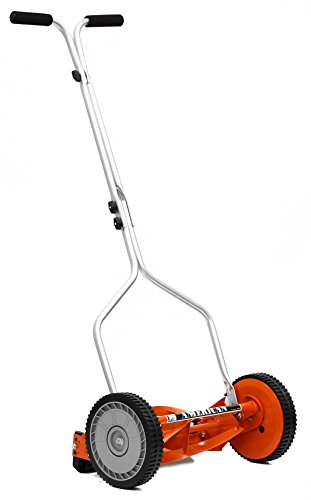
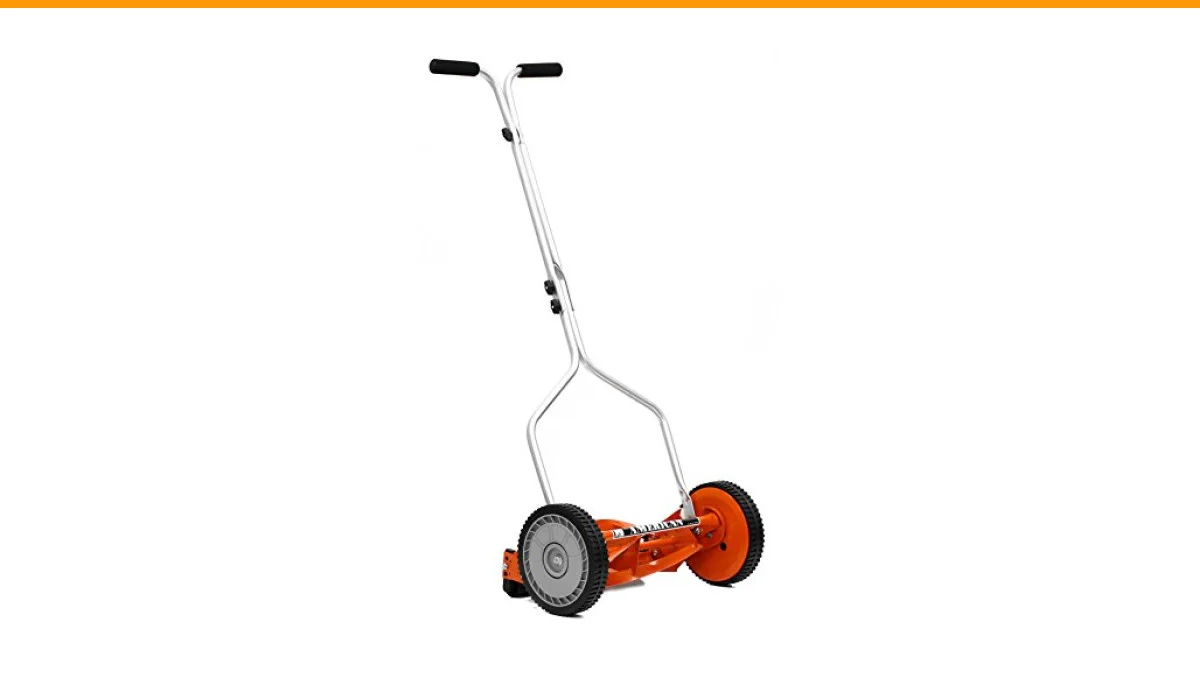
One effective way to mitigate noise pollution is by opting for a manual option, such as the American Lawn Mower 1204-14 14-Inch 4-Blade Push Reel Lawn Mower. This environmentally friendly choice operates quietly, making it ideal for small lawns while also reducing your carbon footprint.
American Lawn Mower Company
American Lawn Mower 1204-14 14-Inch 4-Blade Push Reel Lawn Mower, Red
- 4-blade reel mower with a cutting width of 14” and durable 8.5” polymer wheels for maximum maneuverability. Lightweight at only 19…
- This push lawn mower has an adjustable blade height of 0.5”-1.75”. Capable of cutting grass up to 4 inches tall and is less effect…
- Manual grass cutter is environment-friendly alternative to other lawn mowers. This push mower is pollution-free, noise-free, low m…
Understanding Noise Pollution from Lawn Mowers
Noise pollution from lawn mowers can be a significant issue. Studies show that standard gas-powered mowers can produce noise levels ranging from 85 to 100 decibels (dB). For context, sounds above 70 dB can start to damage hearing over prolonged exposure. This means that when mowing your lawn, you’re not just affecting your own ears; you could be disturbing your neighbors as well.
Many municipalities have noise ordinances that regulate when lawn mowers can be used, often restricting them to certain hours to minimize disturbances. Ignoring these regulations can lead to fines and complaints, and more importantly, it can contribute to community tension.
The Health Impacts of Noise Pollution
Excessive noise can lead to various health issues, including stress, sleep disturbances, and cardiovascular problems. A study by the World Health Organization (WHO) indicates that chronic noise exposure can lead to serious health complications, including hypertension and increased risk of heart disease. For those living near parks or areas where mowing is frequent, the sound can disrupt daily life and lead to increased anxiety levels.
Children and pets are particularly susceptible to noise pollution. They may experience stress or behavioral changes when exposed to loud noises for extended periods. This makes it crucial to be mindful of how and when we mow our lawns.
Alternatives to Traditional Lawn Mowers
To address the issue of noise pollution from lawn mowers, consider the following alternatives:
- Reel Mowers: These manual mowers, such as the American Lawn Mower 1204-14, produce virtually no noise and are eco-friendly. They’re best suited for small lawns and require a bit of physical effort.
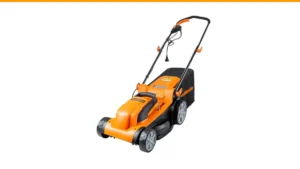
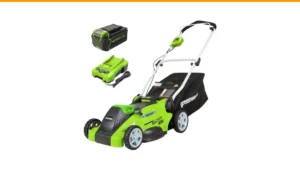
- Electric Mowers: Electric mowers, both corded and battery-operated, are quieter than gas mowers. They typically operate at around 60-75 dB, making them a better choice for noise-sensitive areas.
- Robotic Mowers: These automated devices operate quietly and can be programmed to mow during off-peak hours, further reducing noise disturbance.
When choosing a mower, consider your lawn size and the time you can dedicate to maintenance. Each option has its pros and cons, but quieter solutions are increasingly popular.
Comparative Analysis of Lawn Mowing Options
| Type of Mower | Noise Level (dB) | Environmental Impact | Best For |
|---|---|---|---|
| Gas Mower | 85-100 | High | Large lawns |
| Electric Mower | 60-75 | Medium | Medium to large lawns |
| Reel Mower | Silent | Low | Small lawns |
| Robotic Mower | 50-60 | Low | Small to medium lawns |
Frequently Asked Questions
What is considered noise pollution from lawn mowers?
Noise pollution from lawn mowers refers to disruptive sound levels produced by these machines, especially gas-powered ones. Sounds above 70 dB can be harmful over time, affecting both health and quality of life.
How can I reduce noise pollution when mowing my lawn?
Using quieter mowing alternatives, such as reel mowers or electric mowers, can significantly reduce noise pollution. Additionally, mowing during designated hours can minimize disturbances.
Are there specific times I should avoid mowing?
Most local noise ordinances restrict lawn mowing during early morning and late evening hours. Typically, weekdays after 8 PM and weekends before 9 AM are considered no-mow times.
Do quieter mowers cut grass as effectively?
Yes, quieter mowers, especially reel mowers, can cut grass effectively if maintained properly. They require regular sharpening of blades for optimal performance.
What are the environmental benefits of using a manual mower?
Manual mowers produce no emissions and require no fuel, making them a sustainable choice for eco-conscious homeowners. They also promote physical activity, benefiting your health.
Final Thoughts
- Consider switching to a quieter mower to reduce noise pollution.
- Explore options like reel or electric mowers for a more peaceful mowing experience.
- Check local noise ordinances to avoid fines and neighbor complaints.
- Be mindful of the time you mow, especially on weekends and holidays.
- Encourage neighbors to consider quieter mowing practices.
- Stay informed about the health impacts of noise pollution.
- Regularly maintain your mower for efficient operation.
Addressing noise pollution from lawn mowers is not just a matter of personal preference; it contributes to a healthier, more peaceful community. Making informed choices can lead to a quieter, more pleasant environment for everyone.