
Every seasoned gardener knows the importance of maintaining their lawn mower. A well-functioning mower not only cuts grass efficiently but also saves time and effort. However, over time, the wheels of your lawn mower can wear out, affecting its performance. This leads many homeowners to consider lawn mower wheel upgrade options. Upgrading your mower wheels can significantly enhance traction, maneuverability, and overall longevity of your equipment.
This article delves into various options for upgrading your lawn mower wheels. You’ll learn about different materials, sizes, and types of wheels, as well as how these upgrades can improve your mowing experience. By the end of this guide, you’ll have a clear understanding of what to look for when upgrading your lawn mower wheels.

Grasscape
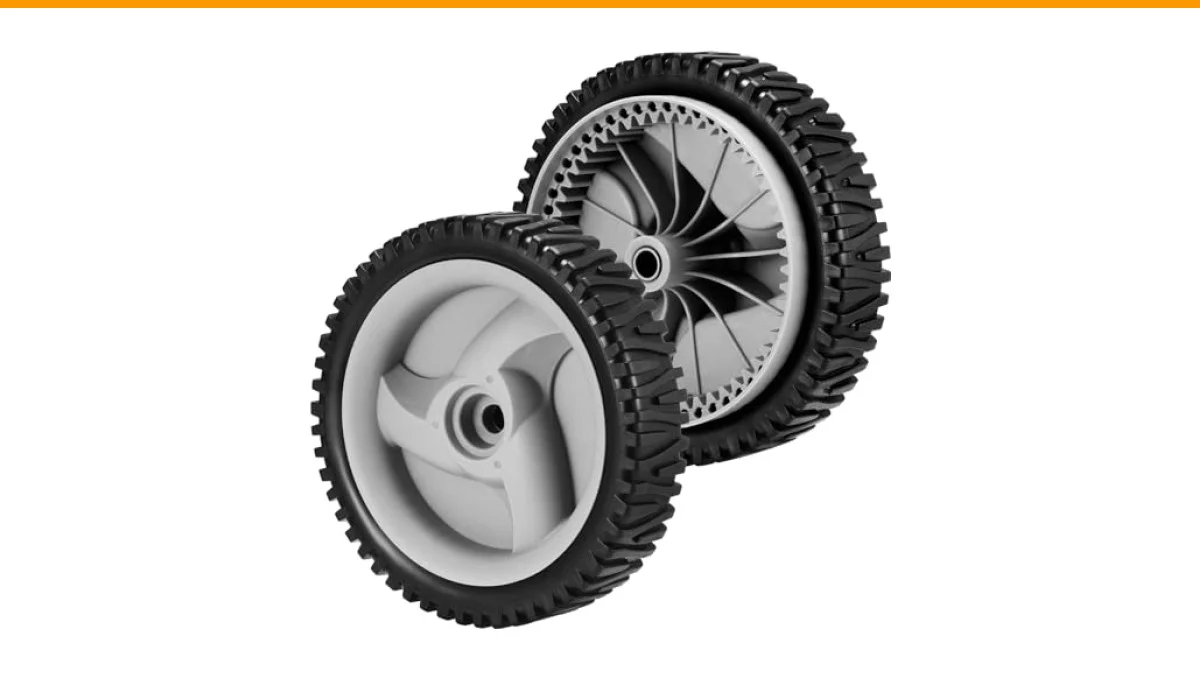
2 Pack 583719501 194231X460 Front Lawn Mower Wheels Fit for Craftsman | Compatible for Craftsman Lawn Mower Parts Husqvarna & HU Front Wheel
- PRODUCT COMPATIBILITY: Compatible with front drive wheels of lawn mower Husqvarna, Poulan, Poulan Pro, Roper, Sears/Craftsman, and…
- Replace Part Number: Original part replacement 583719501, 532402657, 194231X460, 532402567, 401274X460, 194231X427, 532403111.
- DURABILITY: Front drive wheels is made of high-density plastic and premium rubber. The wheels design with 53 teeth, providing enou…
One option to consider for your lawn mower is the Grasscape 2 Pack 583719501 194231X460 Front Lawn Mower Wheels. These wheels are compatible with a variety of popular brands, including Craftsman and Husqvarna. They are made from durable materials, ensuring long-lasting performance and ease of installation.
Understanding Lawn Mower Wheel Types
Before upgrading, it’s essential to understand the different types of lawn mower wheels available:
- Drive Wheels: These wheels power the mower forward. Drive wheels are crucial for self-propelled models, providing the necessary traction to navigate various terrains.
- Front Wheels: Generally smaller than rear wheels, front wheels assist with steering and maneuverability. Upgrading these can improve the ease of handling.
- Rear Wheels: Larger rear wheels allow for better traction and performance on uneven ground. They can be particularly beneficial for hilly or rough lawns.
- Swivel Wheels: These allow for easier turns and maneuvering in tight spaces. Consider upgrading to swivel wheels if your mower struggles with agility.
Material Options for Lawn Mower Wheels
The material of the wheels plays a significant role in their performance and durability. Here are the common materials used:
- Plastic: Lightweight and resistant to rust, plastic wheels are suitable for flat surfaces and light-duty mowing. However, they may not hold up well on rough terrain.
- Rubber: Rubber wheels provide excellent traction and are ideal for varied terrains. They absorb shock effectively, reducing vibrations during mowing.
- Composite: A blend of materials, composite wheels offer a balance between weight and durability. They are often designed to withstand harsh weather conditions.
- Metal: While not as common, metal wheels are incredibly durable and can handle tough conditions. They are usually heavier, making them less ideal for residential mowers.
Choosing the Right Size
Size matters when upgrading your lawn mower wheels. The diameter and width of the wheels can impact your mower’s performance:
- Diameter: Larger wheels can help the mower glide over obstacles and rough terrain more easily. However, they may also increase the mower’s height, affecting storage.
- Width: Wider wheels offer more stability and traction. They are beneficial for mowers used on uneven surfaces.
Before purchasing new wheels, check your mower’s specifications to ensure compatibility in size.
Comparing Wheel Upgrade Options
| Wheel Type | Material | Diameter | Pros | Cons |
|---|---|---|---|---|
| Drive Wheels | Rubber | 8″ | Excellent traction, durable | Can be more expensive |
| Front Wheels | Plastic | 6″ | Lightweight, easy to install | Less durable on rough surfaces |
| Rear Wheels | Composite | 10″ | Good stability, versatile | Heavier than plastic |
| Swivel Wheels | Rubber | 7″ | Improves maneuverability | May wear faster |
Frequently Asked Questions
Can I put bigger wheels on my lawn mower?
Yes, you can upgrade to larger wheels, but ensure they are compatible with your mower’s frame and drive system. Larger wheels improve traction and can help navigate rough terrain.
How do I know if my wheels need replacing?
Look for signs of wear such as cracks, uneven tread, or wobbling. If the wheels are difficult to turn or if your mower isn’t moving smoothly, it’s time for an upgrade.
What’s the easiest way to replace lawn mower wheels?
Replacing wheels is usually straightforward. Most lawn mower wheels can be removed using basic tools. Just follow the manufacturer’s instructions for your specific model.
Are aftermarket wheels as good as original equipment?
Aftermarket wheels can be as good as OEM parts, but quality varies. Research brands and read reviews to find reliable aftermarket options.
How often should I upgrade my mower wheels?
There’s no set schedule, but consider upgrading every few years or when you notice performance issues. Regular inspections can help determine when a replacement is needed.
Final Thoughts
- Assess your mower’s needs before selecting an upgrade.
- Choose the right wheel type based on your mowing conditions.
- Consider materials carefully; rubber offers better traction than plastic.
- Check your mower’s specifications for size compatibility.
- Invest in quality wheels that suit your mowing style and terrain.
- Regular maintenance can extend the life of your wheels.
- Look for reputable brands like Grasscape for reliable replacements.
For more insights on lawn mowers, check out our articles on best lawn mowers and rear-wheel drive options.


