
Weather Adaptive Lawn Mowing: The Future of Lawn Care
Contents
Maintaining a pristine lawn requires more than just regular mowing. Weather conditions greatly influence how and when you should mow. Rain-soaked grass can lead to clumping and uneven cuts, while dry, brittle grass might suffer from scalping. So, how can you keep your lawn looking its best without constantly checking the weather? The answer lies in weather-adaptive lawn mowing technology.
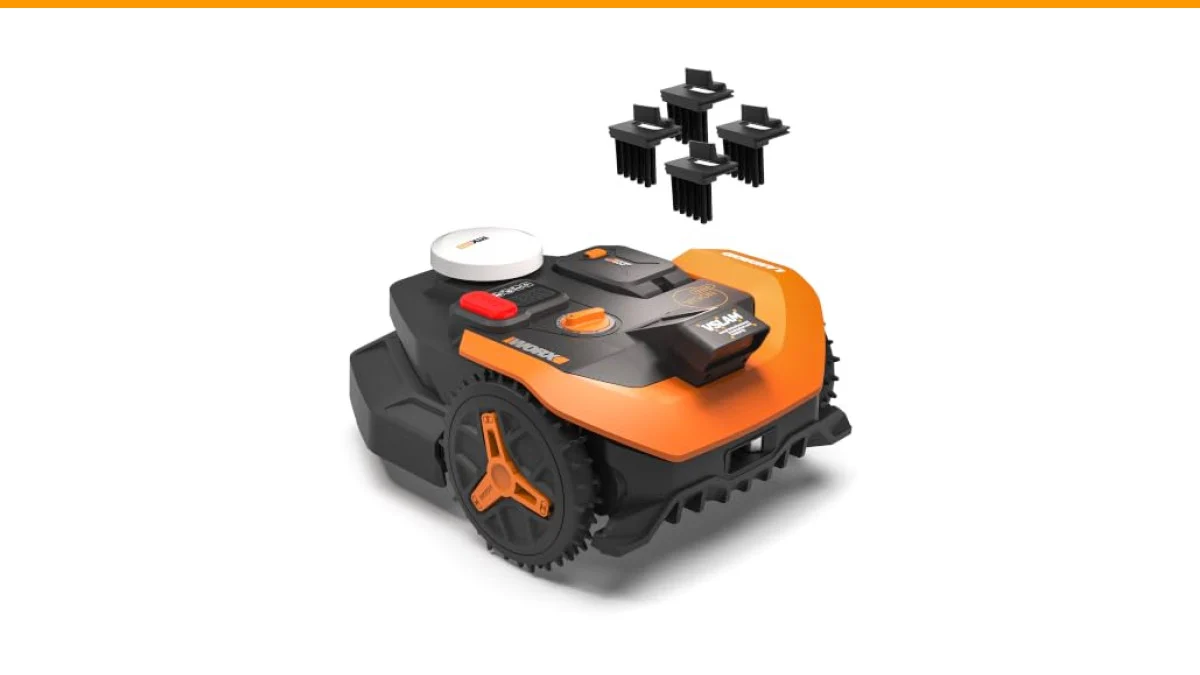
This article will guide you through the fundamentals of weather adaptive mowing, its benefits, and how it can enhance your lawn care routine. You’ll also discover specific products that utilize this technology, such as the WORX Robot Lawn Mower for 1/4 Acre, which features advanced navigation and auto mapping capabilities.
The WORX Robot Lawn Mower incorporates centimeter-level RTK Cloud accuracy and AI-driven obstacle avoidance. These features allow it to adapt to changing conditions and mow your lawn efficiently, ensuring a well-maintained yard regardless of the weather.
Understanding Weather Adaptive Lawn Mowing
Weather adaptive lawn mowing refers to the ability of lawn care equipment to adjust its mowing schedule and technique based on current weather conditions. Here are the key aspects of this technology:
- Real-time Weather Monitoring: Many modern robotic mowers are equipped with sensors and connectivity features that allow them to receive real-time weather updates, ensuring optimal mowing conditions.
- Adaptive Mowing Techniques: These mowers can change their cutting height and frequency based on grass growth rates influenced by weather.
- Prevention of Damage: Mowers can postpone operations during heavy rain or frost, reducing the risk of lawn damage.
Benefits of Weather Adaptive Mowing
Investing in weather adaptive mowing technology offers several advantages:
- Improved Lawn Health: Consistent mowing under optimal conditions promotes healthier grass growth.
- Time Savings: Automated scheduling eliminates the need for constant manual adjustments and checks.
- Energy Efficiency: Mowers can operate during ideal weather, reducing wear and tear and conserving energy.
- Convenience: App controls allow you to monitor and manage your mowing from anywhere, making lawn care effortless.
Comparative Overview of Mowing Methods
| Method | Weather Adaptability | Convenience | Lawn Health | Cost |
|---|---|---|---|---|
| Traditional Mowing | Low | Medium | Variable | Low |
| Manual Push Mowers | Very Low | Low | High | Medium |
| Robotic Mowers | High | High | Very High | High |
Frequently Asked Questions
What is the best weather for mowing?
The ideal weather for mowing is dry, with temperatures between 60°F and 75°F. This prevents grass from being too wet, which can lead to uneven cuts.
Can robotic mowers operate in the rain?
Most robotic mowers can mow during light rain but should be kept away from heavy downpours to avoid damage and clumping.
How does weather affect grass growth?
Temperature, humidity, and rainfall all influence grass growth rates. Warmer temperatures with adequate moisture promote faster growth, while cold or dry conditions slow it down.
Are robotic mowers worth the investment?
Yes, robotic mowers save time and effort. Their ability to adapt to weather changes and maintain consistent lawn health makes them a valuable investment.
How do I maintain my robotic mower?
Regularly clean the blades and wheels, check for software updates, and ensure the battery is charged for optimal performance.
Final Thoughts on Weather Adaptive Mowing
- Weather adaptive mowing technology optimizes lawn care based on real-time conditions.
- Robotic mowers like the WORX model are equipped with advanced features for efficiency.
- Investing in such technology can improve lawn health and save time.
- Understanding your lawn’s needs helps in selecting the right mower.
- Regular maintenance ensures longevity and effective operation of robotic mowers.