
How to Mow Around Obstacles: A Comprehensive Guide
Contents
Imagine you’re out in your yard, the sun is shining, and the grass is finally lush and green. You grab your lawn mower, but then you see it — the decorative rocks, the flower beds, and the playground equipment scattered around your lawn. You might wonder, how do I keep my yard looking tidy without damaging those obstacles? Understanding how to mow around obstacles is essential for maintaining a beautiful lawn while preserving your landscaping investments.
This article will walk you through practical techniques for mowing around various obstacles, the tools that can make your life easier, and some tips for achieving a professional-looking finish. You’ll also learn about a robotic option that can help simplify the process.

HOOKII
Neomow X SE 360° 3D LiDAR Navigation Robot Lawn Mower for 0.75 Acre
- Works Anytime, Anywhere: Enables precise positioning and obstacle avoidance without network or satellite signals. Easily passes th…
- 0.75 Acre. Yes, Just One Mower: Powered by advanced vision and spatial fusion technology, the mower can recognize 200+ types of ob…
- Intelligence in Every Inch: After tens of thousands of tests and algorithm iterations, our intelligent obstacle avoidance system—b…
For those who prefer automation, the Neomow X SE 360° 3D LiDAR Navigation Robot Lawn Mower is designed to navigate around obstacles seamlessly. With advanced detection technology, it makes mowing around garden borders and furniture a breeze, allowing you to focus on enjoying your outdoor space.

Understanding Your Lawn’s Layout
Before you start mowing, take a few minutes to assess your lawn’s layout. Identify all the obstacles such as trees, flower beds, fences, and play areas. Knowing these will help you plan your mowing path effectively. For example, if you have a large tree, you might want to mow in a circular pattern around it. This helps prevent damage to the mower and ensures an even cut.
Techniques for Mowing Around Obstacles
Okay, but how much does this actually matter? The way you approach mowing around obstacles can significantly affect both the aesthetics and health of your lawn. Here are some techniques to keep in mind:
- Use a String Trimmer: For tight spaces, a string trimmer can reach areas where a mower can’t. This tool is perfect for edging along flower beds or around trees.
- Follow a Pattern: Mow in a consistent pattern that allows you to navigate smoothly around obstacles. For instance, mow in parallel stripes, turning at the edges of flower beds.
- Adjust Cutting Height: If you have uneven terrain or taller grass near obstacles, adjust the mower’s height for a cleaner cut. This prevents scalping and promotes healthier grass.
- Slow Down: It’s tempting to rush through mowing, but slowing down allows for better control around obstacles, reducing the risk of accidents.
Choosing the Right Tools
The right tools make all the difference when mowing around obstacles. Here are some options to consider:
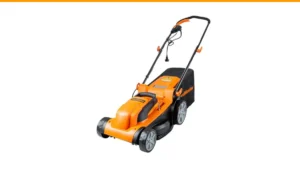
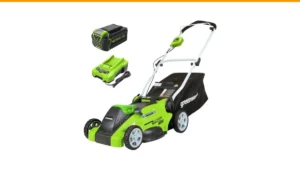
- Push Mowers: Ideal for small to medium lawns, push mowers offer maneuverability around tight spaces.
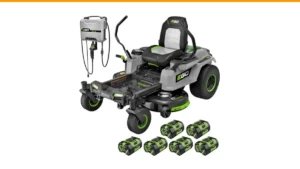
- Riding Mowers: These are suitable for larger areas but may require careful navigation around obstacles.
- Robotic Mowers: Automated mowers like the Neomow X SE can navigate around obstacles using advanced sensors, saving time and effort.
Comparing Mowing Techniques and Tools
| Technique/Tool | Best For | Pros | Cons |
|---|---|---|---|
| String Trimmer | Tight spaces | High precision | Labor-intensive |
| Push Mower | Small to medium lawns | Good control | Requires physical effort |
| Riding Mower | Large areas | Efficient for big lawns | Less maneuverable |
| Robotic Mower | All lawn sizes | Automated, precise | Higher initial cost |
What if I have a lot of trees?
Mowing around trees can be tricky, especially if they have roots that surface. Use a string trimmer for the area close to the trunk and mow in a circular pattern around the tree to maintain an even lawn.
How do I prevent scalping?
Adjust the cutting height of your mower according to the terrain. Keep a height of at least 2 to 3 inches during mowing to avoid scalping and damaging the grass.
Can I mow in wet conditions?
Mowing when the grass is wet can lead to uneven cuts and even damage your lawn mower. It’s best to wait until the grass is dry to ensure a clean cut and prevent clumping.
What’s the best time to mow?
The best time to mow is in the early evening or late afternoon when the sun isn’t too harsh. This reduces stress on the grass and improves cutting efficiency.
Do robotic mowers work in the rain?
Most robotic mowers, including the Neomow X SE, are designed to handle light rain. However, it’s advisable to avoid mowing during heavy downpours to prevent damage.
Final Thoughts on Mowing Around Obstacles
- Plan your mowing path before starting.
- Use a combination of tools to manage different areas effectively.
- Adjust mower height based on grass length and terrain.
- Consider a robotic mower for a hands-free experience.
- Always maintain your equipment for the best results.
- Practice patience and control around obstacles for better outcomes.
- Regular mowing keeps your lawn healthy and looking its best.
Mowing around obstacles doesn’t have to be a chore. With the right techniques and tools, you can achieve a clean and well-maintained lawn that enhances your outdoor space. If you’re struggling with specific areas, consider exploring more specialized resources, like best lawn mowers for cutting around trees or best height to mow lawn for tailored advice.