
How to Repair a Lawn After Drought
Contents
After a long, dry spell, many homeowners face the challenge of restoring their lawns. Drought can leave grass brown, patchy, and even dead in some areas, leading to frustration and concern for the health of your landscape. Rebuilding your lawn isn’t just about aesthetics; it’s about nurturing the soil and fostering a vibrant ecosystem.
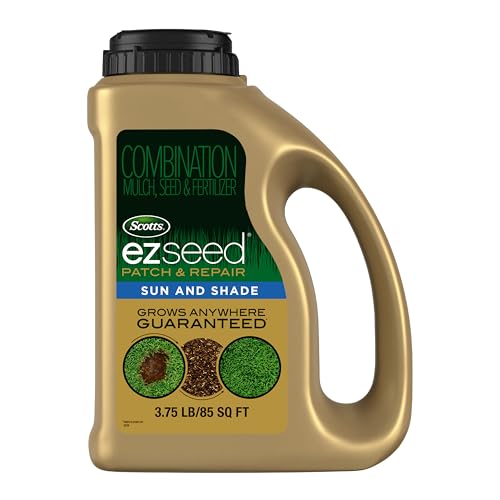
This article will guide you through effective strategies for repairing your lawn after drought. You’ll learn about the right timing for planting, soil preparation techniques, and maintenance tips to ensure lasting recovery. You’ll also discover how products like Scotts EZ Seed Patch & Repair can simplify the process and enhance your efforts.
The Scotts EZ Seed Patch & Repair is designed specifically for lawn restoration. This product combines grass seed, mulch, and fertilizer to optimize growth in various conditions, making it an excellent choice for filling in bare spots and enhancing lawn recovery.

Understanding Drought Damage
How do you know if your lawn has been affected by drought? Look for these signs:
- Color Change: Grass may turn brown or gray, indicating it is stressed or dead.
- Texture: Dry grass feels brittle and may snap easily.
- Footprints: If your footprints linger on the grass, it’s a sign the lawn is not recovering.
- Soil Cracking: Dry soil can crack or harden, which inhibits root growth.
Identifying these signs early makes a big difference in your repair strategy.
Timing Your Lawn Repair
When should you start repairing your lawn? Timing is crucial. The best period for seeding and repair is in the early fall or spring when temperatures are mild (between 60°F and 80°F). This ensures optimal growth conditions without the risk of frost.
During these seasons, follow these steps:
- Assess Damage: Identify the areas most affected by drought.
- Test Soil: Conduct a soil test to determine nutrient deficiencies.
- Prepare the Area: Rake up dead grass and debris to expose the soil.
Proper timing helps your lawn recover more efficiently and thrive.
Repair Techniques
Now, let’s dive into effective methods for repairing your lawn:
- Overseeding: Spread new grass seed over existing grass to thicken your lawn. This works best on thin patches.
- Topdressing: Apply a thin layer of compost or soil to improve soil quality and provide nutrients.
- Reseeding Bare Spots: Use a product like Scotts EZ Seed Patch & Repair to easily fill in bare patches. This product contains a mix of grass seed, mulch, and fertilizer.
Choosing the right technique depends on the extent of the damage. For widespread issues, overseeding combined with topdressing may be most effective.
Watering and Maintenance
What about after you’ve planted seeds? Proper watering and maintenance are essential for successful recovery:
- Watering Schedule: Water newly seeded areas lightly but frequently. Aim for about 1 inch of water per week, adjusting for rainfall.
- Mowing: Allow the grass to grow to at least 3 inches before mowing. This helps establish a strong root system.
- Fertilizing: Once grass is established, use a slow-release fertilizer to promote healthy growth.
Following these steps ensures your lawn receives the care it needs to bounce back.
| Repair Method | Best For | Pros | Cons |
|---|---|---|---|
| Overseeding | Thin areas | Improves density | May require multiple applications |
| Topdressing | Soil improvement | Enhances nutrient quality | Labor-intensive |
| Reseeding | Patchy spots | Quick recovery | Limited to small areas |
| Scotts EZ Seed | All types of damage | Easy application, good growth | Cost may be higher than bulk seed |
How long will it take for my lawn to recover from drought?
Recovery can take several weeks to a few months, depending on the severity of the damage and the care provided. Regular watering and proper maintenance speed up the process.
Can I use any type of seed for repair?
Not all seeds are suitable for every lawn. Choose a seed mix that matches your existing grass type for the best results.
Is it necessary to aerate my lawn before repairing?
Aeration can help, especially if your soil is compacted. It allows air, water, and nutrients to penetrate the soil more effectively.
What should I do if my lawn still looks bad after reseeding?
Evaluate the watering schedule and ensure you’re using the right seed. Sometimes, additional fertilization or more reseeding may be necessary.
Can I repair my lawn in the summer?
It is possible, but be cautious. High temperatures can stress new seedlings. If you must, ensure you provide ample water and shade.
Quick Actions for Lawn Recovery
- Assess lawn damage thoroughly.
- Choose the right time for seeding.
- Utilize quality products like Scotts EZ Seed.
- Water consistently and properly.
- Monitor and adjust based on growth.
- Be patient as recovery may take time.
With careful planning and attention, your lawn can recover from drought and flourish once again. Take the time to prepare adequately, and your efforts will be rewarded with a lush, green yard.