
Imagine a Saturday morning, the sun shining, birds chirping, and your yard needing a fresh cut. You’re ready to tackle the task but feel overwhelmed by the options available. Lawn care has come a long way since the first lawn mower was invented in 1830, a time when maintaining a yard was a labor-intensive chore. Thanks to Edwin Budding’s invention, mowing lawns became more efficient and accessible, transforming how we care for our green spaces.
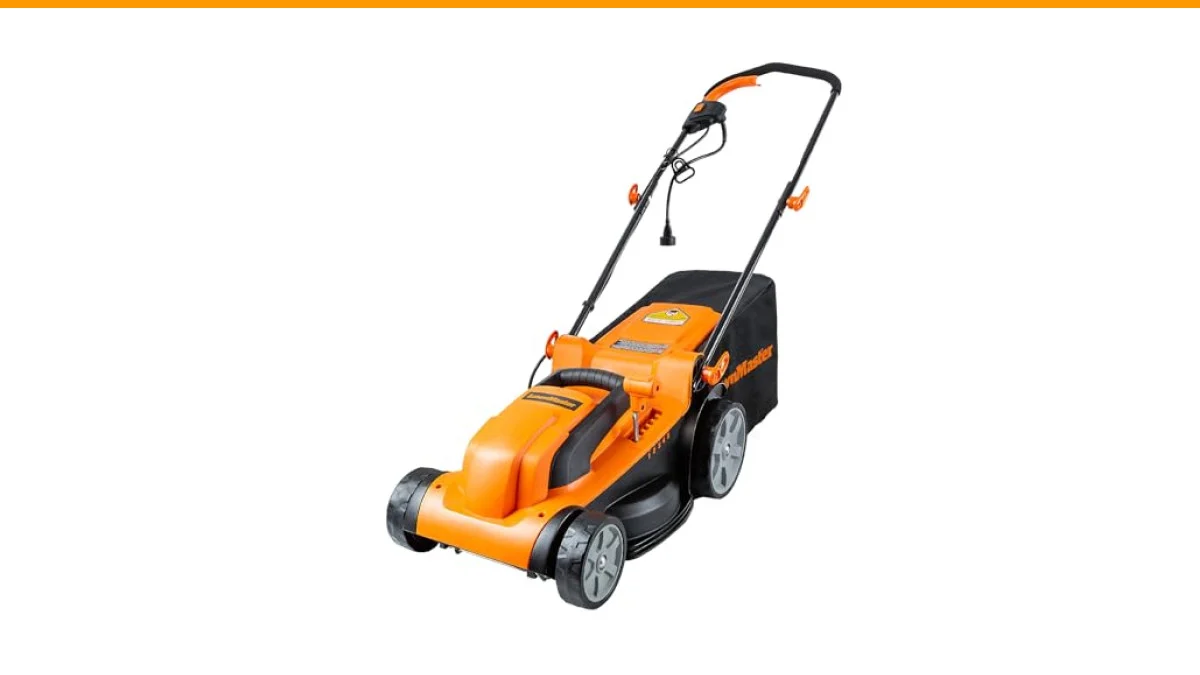
This article will walk you through the history of the lawn mower invention from 1830, its evolution, and how modern options, like the LawnMaster MEB1114K Electric Corded Lawn Mower, can simplify your yard maintenance. You’ll gain insights into the mechanics of lawn mowers, the various types available today, and practical tips for choosing the right one for your needs.
The Invention of the Lawn Mower
In 1830, Edwin Budding, a British engineer, patented the first lawn mower. His design was inspired by a machine used to trim the nap of cloth, which used rotating blades. Budding’s mower consisted of a reel of blades that cut the grass as the machine was pushed forward. This innovative design allowed for an even cut and significantly reduced the amount of labor involved in maintaining a tidy lawn.
The original model was made of iron and had a width of about 14 inches. It was primarily used on sports fields and large estates, revolutionizing the way grass was managed. Before this invention, lawns were typically maintained by scythes and other manual tools, resulting in uneven cuts and much more physical labor.
How Have Lawn Mowers Evolved Since 1830?
Since Budding’s initial design, lawn mowers have undergone significant changes. Here’s a look at how lawn mowers have evolved:
- Manual Reel Mowers: These are still available today for small lawns. They operate similarly to Budding’s original design but often feature improved materials and ergonomic designs.
- Gas-Powered Mowers: Introduced in the early 1900s, these mowers brought power and efficiency to lawn care. They typically offer more cutting power and can handle larger areas, making them popular among homeowners with expansive lawns.
- Electric Mowers: These include both corded and battery-operated models. They produce less noise and pollution compared to gas mowers, making them an environmentally friendly choice.
- Robotic Mowers: The latest innovation, robotic mowers, can autonomously cut grass. They use advanced technology to navigate lawns and avoid obstacles, making lawn maintenance nearly effortless.
Choosing the Right Lawn Mower for Your Yard
Choosing the right lawn mower depends on several factors, including the size of your yard, the type of grass, and your budget. Consider these points:
- Yard Size: For small yards, a manual reel mower or a compact electric model like the LawnMaster MEB1114K might be sufficient. For larger properties, a gas-powered or robotic mower could save you time.
- Grass Type: Different grasses require different cutting heights. Ensure your mower has adjustable height settings for optimal cutting.
- Frequency of Use: If you mow frequently, consider a model that’s easy to start and maneuver.
- Environmental Impact: Electric mowers reduce pollution and noise. They are excellent for eco-conscious homeowners.
Comparison of Lawn Mower Types
| Type | Power Source | Best For | Pros | Cons |
|---|---|---|---|---|
| Manual Reel Mower | Human power | Small lawns | Quiet, low maintenance | Labor-intensive for larger areas |
| Gas-Powered Mower | Gasoline | Large lawns | Powerful, efficient | Heavy, noisy, and polluting |
| Electric Mower | Electricity | Medium to large lawns | Quiet, eco-friendly | Limited by cord length (for corded mowers) |
| Robotic Mower | Battery | All lawn sizes | Autonomous, time-saving | Higher initial cost |
Frequently Asked Questions
1. Who invented the lawn mower?
The lawn mower was invented by Edwin Budding in 1830. His design revolutionized lawn maintenance, making it easier and more efficient.
2. What are the benefits of using an electric mower?
Electric mowers are quieter, produce zero emissions during operation, and generally require less maintenance compared to gas models.
3. How do I maintain my lawn mower?
Regular maintenance includes cleaning the blades after use, checking oil levels (for gas mowers), and sharpening blades at least once a year.
4. Can I use a lawn mower for other yard tasks?
While primarily designed for cutting grass, some mowers can handle light mulching or bagging leaves. Check your mower’s specifications for versatility.
5. What height should I set my mower for different grass types?
Most grasses do well when cut to a height between 2-4 inches. Check specific recommendations for your grass type to avoid cutting too short.
Takeaways for Lawn Care Enthusiasts
- Edwin Budding’s invention in 1830 laid the groundwork for modern lawn care.
- Consider the size and type of your lawn when choosing a mower.
- Electric mowers like the LawnMaster MEB1114K offer a practical and eco-friendly option.
- Regular maintenance of your mower ensures better performance and longevity.
- Stay informed about different grass types and their ideal cutting heights for a healthier lawn.




