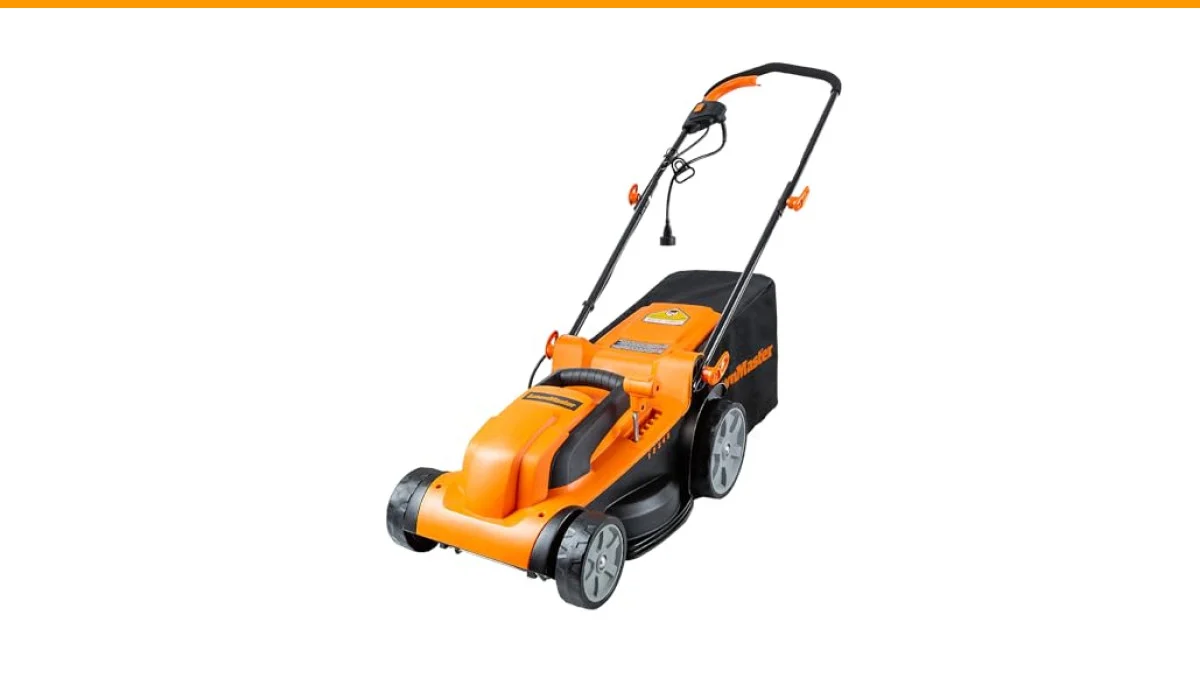
Understanding Lawn Mowers: A Relatable Scenario
Many homeowners find themselves standing in front of a garden store, overwhelmed by the choices of lawn mowers. You have a lush, green lawn that needs regular upkeep, but how do you choose the right tool? The decision often boils down to two popular types: cylinder mowers and rotary mowers. Each mower offers unique features that cater to different lawn care needs.
This article will guide you through the essential differences between cylinder and rotary lawn mowers. You’ll learn the advantages and disadvantages of each, helping you make an informed decision that suits your lawn maintenance style.
If you’re leaning towards a cylinder mower, consider checking out an electric cylinder lawn mower. These models can make your mowing quieter and more efficient, especially in urban settings.
Cylinder Lawn Mowers: Precision and Performance
Cylinder mowers are often favored for their precision cutting. They use a series of blades arranged in a cylinder that rotates against a fixed bottom blade. This mechanism creates a scissor-like effect, resulting in a clean cut. This is particularly beneficial for fine lawns, as it promotes healthier grass growth.
For instance, a typical cylinder mower might have:
- Blade width ranging from 12 to 36 inches
- A cutting height adjustment of around 0.5 to 2.5 inches
- Weight typically between 30 to 100 pounds
The downside? They can struggle with tall, thick grass or uneven terrains. Regular maintenance is also necessary to keep the blades sharp and functioning effectively.
Rotary Lawn Mowers: Versatility and Power
Rotary mowers are the more common choice among homeowners. These mowers use a single blade that rotates horizontally, chopping grass in a more aggressive manner. They are versatile and can handle a variety of grass types, making them ideal for larger yards or less manicured lawns.
Consider the following specifications for a typical rotary mower:
- Blade width ranging from 20 to 30 inches
- A cutting height adjustment from 1 to 4 inches
- Weight between 40 to 100 pounds
These mowers are less fussy about grass conditions, making them user-friendly for most lawn types. However, they may not produce as clean a cut as cylinder mowers, especially for finer grasses.
Comparison Table: Cylinder vs Rotary Lawn Mower
| Feature | Cylinder Mower | Rotary Mower |
|---|---|---|
| Cutting Mechanism | Scissor-like action | Horizontal rotating blade |
| Best For | Fine, manicured lawns | Varied grass types and larger areas |
| Cutting Height | 0.5 – 2.5 inches | 1 – 4 inches |
| Weight | 30 – 100 pounds | 40 – 100 pounds |
| Maintenance | Regular blade sharpening required | Less frequent, but still needed |
Common Misconception: “Rotary Mowers Are Always Better”
Many believe that rotary mowers outshine cylinder mowers in all aspects. While it’s true that rotary mowers offer versatility, they do not necessarily provide a superior cut for fine lawns. Cylinder mowers excel in achieving that pristine, manicured look. If your goal is a golf-course-like lawn, a cylinder mower may be your best bet.
Common Misconception: “Cylinder Mowers Are Only for Professionals”
Another misconception is that cylinder mowers are only suitable for professional landscapers. While they do require some skill to operate effectively, many homeowners successfully use them with proper care. If you’re willing to invest time in maintenance and technique, a cylinder mower can yield impressive results in your yard.
Frequently Asked Questions
1. Which mower is better for small lawns?
Cylinder mowers are often better suited for small, well-kept lawns. They provide a precise cut, making them ideal for fine grasses.
2. Can rotary mowers handle thick grass?
Yes, rotary mowers can handle thicker grass better than cylinder mowers. Their robust design allows them to tackle diverse conditions.
3. How often should I sharpen the blades?
For cylinder mowers, aim to sharpen the blades every 20-25 hours of use. Rotary mowers may require sharpening less frequently, around every 40 hours.
4. Are electric mowers effective?
Electric mowers, both cylinder and rotary, can be effective for residential use. They offer quieter operation and lower maintenance costs.
5. What’s the average lifespan of these mowers?
Typically, both cylinder and rotary mowers can last 10-15 years with proper maintenance. Regular care will extend their lifespan significantly.
Final Insights for Your Lawn Care
- Cylinder mowers excel in precision, perfect for manicured lawns.
- Rotary mowers are more versatile, handling various grass types.
- Maintenance frequency varies: cylinder mowers need regular sharpening.
- Both types can last over a decade with good care.
- Consider the size and type of your lawn before deciding.
- Explore electric options for quieter, eco-friendly mowing.
- Evaluate your personal lawn care goals to choose wisely.